


Written by
Bryan Sim, Business Development at AnjouHealth
An OHS programme developer at AnjouHealth focused on designing workplace health and safety initiatives that help organisations create safer, healthier, and more engaged environments. He works on translating ergonomic assessments and workplace risk insights into practical initiatives such as safety campaigns, wellbeing programmes, and workplace interventions that are impactful, sustainable, and aligned with operational needs.
Quick Summary
A workplace safety checklist helps organisations in Singapore identify hazards, improve compliance, and prevent workplace incidents.
This guide provides a practical, easy-to-use checklist aligned with Workplace Safety and Health (WSH) practices.
If you’re new to workplace safety, start with our guide on Workplace Safety & Health in Singapore to understand the fundamentals.
In This Blog
- What Is a Workplace Safety Checklist
- Why Workplace Safety Checklists Matter
- Workplace Safety Checklist
- How to Use This Checklist Effectively
- Common Gaps Employers Should Watch Out For
- Occupational Health & Employee Well-Being Resources
- Frequently Asked Questions
What Is a Workplace Safety Checklist?
A workplace safety checklist is a structured tool used to:
- Identify potential hazards
- Assess workplace conditions
- Ensure safety measures are in place
- Support compliance with WSH regulations
It helps organisations move from reactive safety (after incidents) to proactive risk prevention.
In Singapore, workplace safety checklists are often used together with risk assessment (RA) processes, where hazards are systematically identified, evaluated, and controlled before work begins.
For example, a simple risk-assessment-style checklist may include questions such as:
- What hazards are present in this task or area?
- Who may be affected by these hazards?
- What existing control measures are already in place?
- Are additional controls required under the hierarchy of controls?
- Has the risk level been reviewed after changes to the work environment?
Using structured checklist prompts like these helps organisations align workplace inspections with expectations under Singapore’s Workplace Safety and Health (WSH) risk management framework, rather than relying on informal observation alone.
Why Workplace Safety Checklists Matter

Many workplace incidents are caused by routine, overlooked hazards.
For example:
- Wet floors
- Cluttered walkways
- Poor workstation setup
- Unsafe manual handling
A workplace safety checklist helps ensure these risks are consistently identified and addressed before incidents occur.
However, checklists are most effective when they are tailored to the specific worksite and work activities involved. Different environments, such as offices, healthcare settings, logistics operations, and industrial workplaces, face different types of hazards, so using a generic checklist alone may not capture all relevant risks.This is especially important in Singapore, where employers are required to take reasonably practicable measures under the Workplace Safety and Health (WSH) Act to identify hazards and manage workplace risks appropriately.
Workplace Safety Checklist
Consider these few pointers and use those that are applicable to your site during workplace inspections
1. Housekeeping & Environment

- Walkways are clear of obstacles and clutter
- Floors are dry and free from slip hazards
- Lighting is sufficient for all work areas
- Emergency exits are clearly marked and accessible
- Cables and wires are properly managed
2. Equipment & Machinery
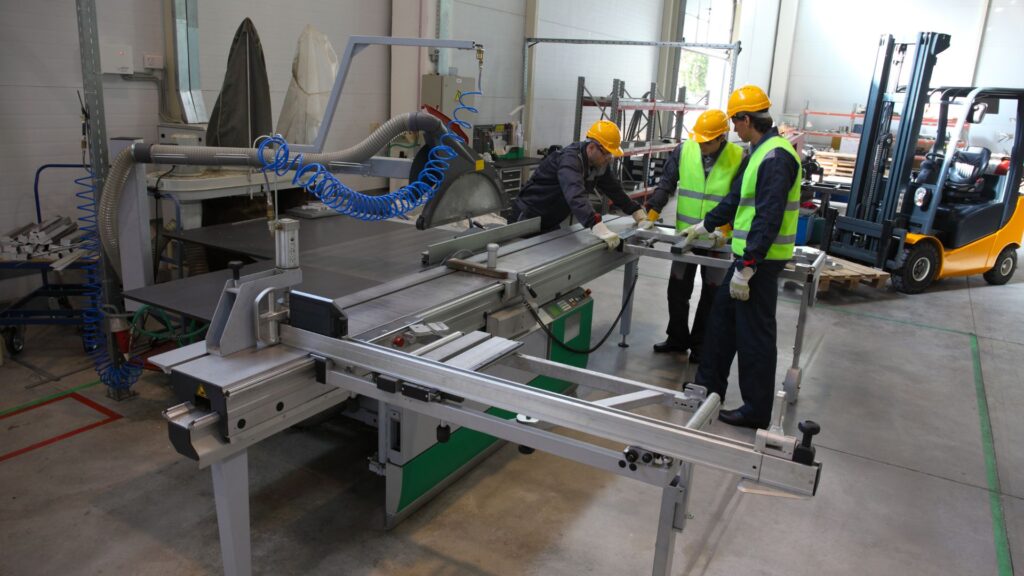
- Equipment is properly maintained and inspected
- Machine guards are in place and functioning
- Faulty equipment is reported and removed from use
- Lock-out/tag-out procedures are followed where required
3. Electrical Safety
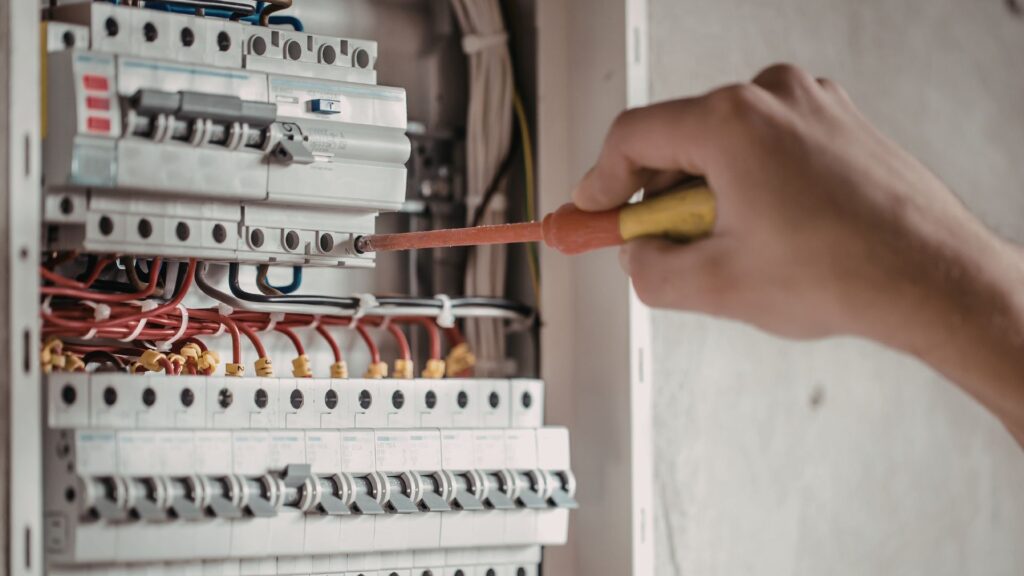
- No exposed or damaged wiring
- Electrical equipment is regularly checked
- Power sockets are not overloaded
- Cables are properly secured
4. Ergonomics & Workstation Setup

- Chairs and desks are adjusted properly
- Monitors are at eye level
- Employees are not working in awkward postures
- Repetitive tasks are managed or rotated
- Manual handling tasks are assessed
Poor ergonomics is a key contributor to WMSD in Singapore workplaces.
5. Manual Handling

- Employees are trained in proper lifting techniques
- Heavy loads are supported with equipment where possible
- Tasks are assessed before lifting
- Team lifting is used when required
6. Chemical & Hazardous Substances

- Chemicals are clearly labelled
- Safety Data Sheets (SDS) are available
- Proper storage procedures are followed
- Employees are trained in handling hazardous substances
7. Personal Protective Equipment (PPE)
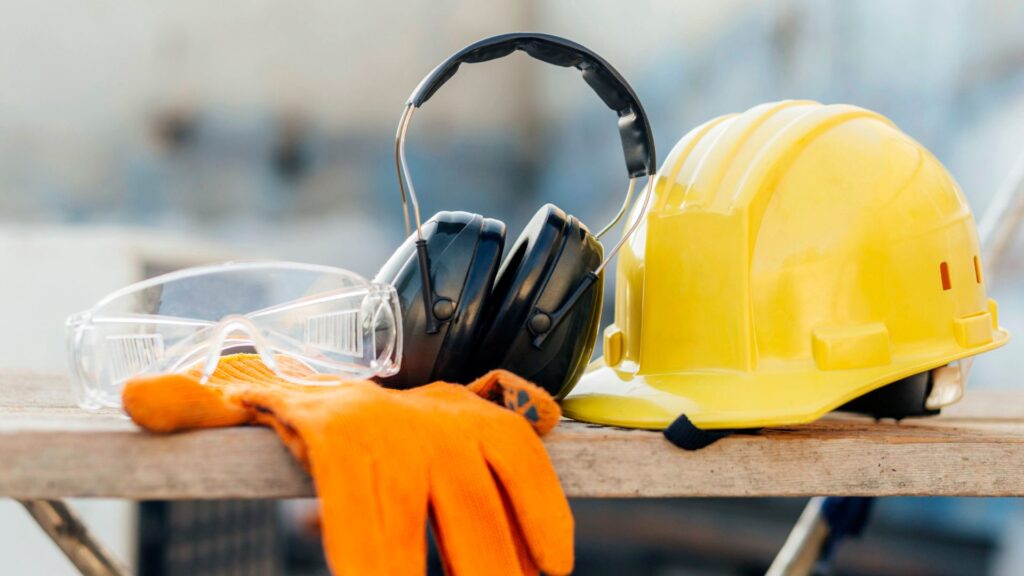
- Appropriate PPE is provided
- PPE is used correctly by employees
- PPE is regularly inspected and maintained
8. Emergency Preparedness
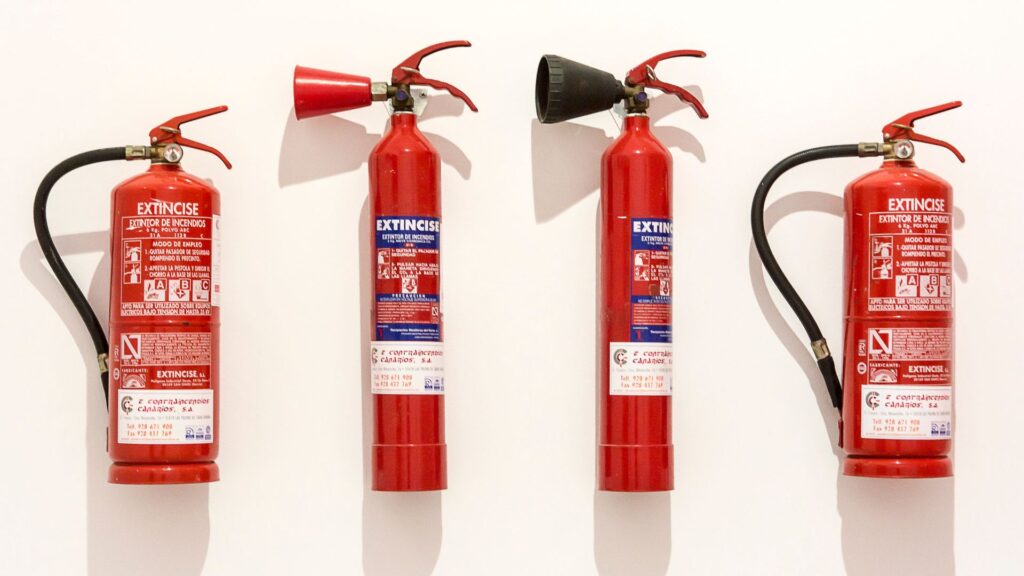
- Employees report hazards and near misses
- Safety briefings are conducted regularly
- Supervisors enforce safety procedures
- Risk assessments are reviewed and updated
How to Use This Checklist Effectively
To get the most value from this checklist:
- Conduct Regular Inspections
Perform checks periodically, not just during audits. - Involve Employees
Employees often spot risks that managers may miss. - Document Findings
Record hazards and corrective actions taken. - Follow Up
Ensure issues are resolved, not just identified.
Common Gaps Employers Should Watch Out For
Even with checklists, organisations may still face safety issues due to:
- Inconsistent use of checklists
- Lack of follow-up actions
- Poor communication of safety expectations
- Treating safety as a compliance exercise only
A checklist is effective only when it is actively used and followed through.
Frequently Asked Questions (FAQs)
- What is a workplace safety checklist?
A workplace safety checklist is a tool used to identify hazards and ensure safety measures are in place.
- How often should workplace safety checks be conducted?
Regularly, depending on the workplace, this may be daily, weekly, or monthly.
- Who should use a workplace safety checklist?
Employers, supervisors, safety officers, and workplace safety committees.
- Is a checklist enough for workplace safety?
No. It should be used together with risk assessments, training, and safety procedures.
Strengthen Workplace Safety in Your Organisation
A checklist is a good starting point. A structured safety approach is what makes the difference.
At AnjouHealth, we support organisations in Singapore with:
- Workplace risk assessments
- Safety training
- Occupational health programmes
Reach out to build a safer, more compliant workplace today.