


Written by
Bryan Sim, Business Development at AnjouHealth
An OHS programme developer at AnjouHealth focused on designing workplace health and safety initiatives that help organisations create safer, healthier, and more engaged environments. He works on translating ergonomic assessments and workplace risk insights into practical initiatives such as safety campaigns, wellbeing programmes, and workplace interventions that are impactful, sustainable, and aligned with operational needs.
In The Blog:
- What are Corporate Wellness Programmes
- Benefits of Corporate Wellness Programmes
- Examples of Corporate Wellness Programmes in Singapore
- FAQs and Next Steps
In my work supporting organisations across Singapore, one thing has become increasingly clear: corporate wellness programmes are no longer a ‘nice-to-have’, with 4 in 5 workers facing moderate to high mental health risks and productivity losses reaching up to 40% among affected employees. They have become a practical, strategic response to the realities of modern work
Today’s workplaces are more sedentary, screen‑intensive, and mentally demanding than ever. In Singapore, surveys show that around 6 in 10 employees report experiencing burnout, while about a third say they face significant work-related stress.
This is where corporate wellness programmes in Singapore play a crucial role. When designed to address real risks and aligned with national guidance on mental health at work, they support employee health and business performance sustainably, reducing burnout, improving productivity, and helping employers meet their duty of care.
What Is a Corporate Wellness Programme?
A corporate wellness programme is a structured set of initiatives designed to support employees’ physical, mental, and occupational health within the workplace.
In practice, it goes beyond one-off talks or wellness perks. A well-designed programme typically includes:
- Preventive health measures
- Education and risk awareness
- Early intervention and support
- Ongoing monitoring and improvement
- Fun and engaging learning approaches
From a clinical and ergonomics perspective, the most effective corporate wellness programmes focus on prevention first, rather than reacting only after injuries or burnout occur.
What Is a Corporate Wellness Programme?
The Problem: Modern Work Is Taking a Toll

Singapore’s workforce is highly educated, highly digital, and highly driven, but also increasingly exposed to:
- Prolonged screen and device use
- Sedentary work patterns
- High cognitive load and time pressure
- Hybrid and remote work setups with inconsistent workstations

Over time, these conditions contribute to:
- Musculoskeletal discomfort and work-related MSDs
- Mental fatigue and burnout
- Reduced engagement and productivity
- Increased sick leave and turnover
The Risk: Waiting Until Problems Surface

Many employers still view wellness as something to address only after issues arise, when employees report pain, fatigue, or disengagement.
Clinically, this is often too late.
By the time symptoms affect performance or attendance, underlying risk factors have usually been present for months or even years.
Are Corporate Wellness Programmes Mandatory in Singapore?

Corporate wellness programmes themselves are not legally mandatory in Singapore.
However, employers are required to:
- Provide a safe and healthy work environment
- Identify and manage workplace risks
- Take reasonable steps to prevent injury and ill health
These principles are aligned with guidance from the Ministry of Manpower and Singapore’s Workplace Safety and Health framework.
In this context, corporate wellness programmes function as a practical extension of duty of care, helping organisations demonstrate proactive risk management rather than reactive response.
Benefits of Corporate Wellness Programmes for Employers
When implemented thoughtfully, corporate wellness programmes deliver measurable business value.
1. Reduced Absenteeism and Presenteeism

Employees who are physically uncomfortable or mentally exhausted may still show up to work, but operate below capacity.
Wellness programmes that address health risks early help reduce:
- Sick days
- Reduced on-the-job performance
- Recurrent health complaints
2. Improved Productivity and Engagement

Healthier employees tend to:
- Focus better
- Make fewer errors
- Sustain performance over longer periods
This aligns with guidance from the World Health Organisation, which links mentally healthy, supportive workplaces with reduced absenteeism and presenteeism and improved productivity and organisational performance.
3. Stronger Employer Branding and Retention

In Singapore’s competitive talent market, wellness initiatives signal that:
- Employee well-being is taken seriously
- The organisation invests in sustainable performance
- Management understands modern work challenges
This matters not just for recruitment, but long-term retention.
4. Better Risk Management and Cost Control
From a clinical standpoint, prevention is always more cost-effective than treatment.
Corporate wellness programmes help reduce:
- Work-related injury risk
- Long-term health costs
- Potential disruption from injury claims or prolonged medical leave
Do Corporate Wellness Programmes Improve

Yes, when programmes are targeted, preventive, and evidence-based.
Generic wellness initiatives may raise awareness. But programmes grounded in real workplace risks deliver measurable impact.
In practice, productivity gains are most visible when wellness programmes:
- Address actual job demands
- Reflect employees’ daily work realities
- Are supported by management, not treated as optional add-ons
At the same time, customised programmes tailored to employees’ specific work tasks help reduce absenteeism by addressing risks early and targeting the actual demands of their roles.
Absenteeism often follows a predictable pattern:
- Discomfort or fatigue begins
- Symptoms are ignored or normalised
- Performance gradually declines
- Sick leave or medical intervention becomes necessary
Effective corporate wellness programmes interrupt this cycle early, before minor issues escalate into medical leave, long recovery periods, or chronic conditions.
The key is not running more activities.
It is running the right interventions, at the right time, for the right risks.
What Does a Corporate Wellness Programme Include?
While programmes can be customised, common components in Singapore include:
Preventive Health Measures
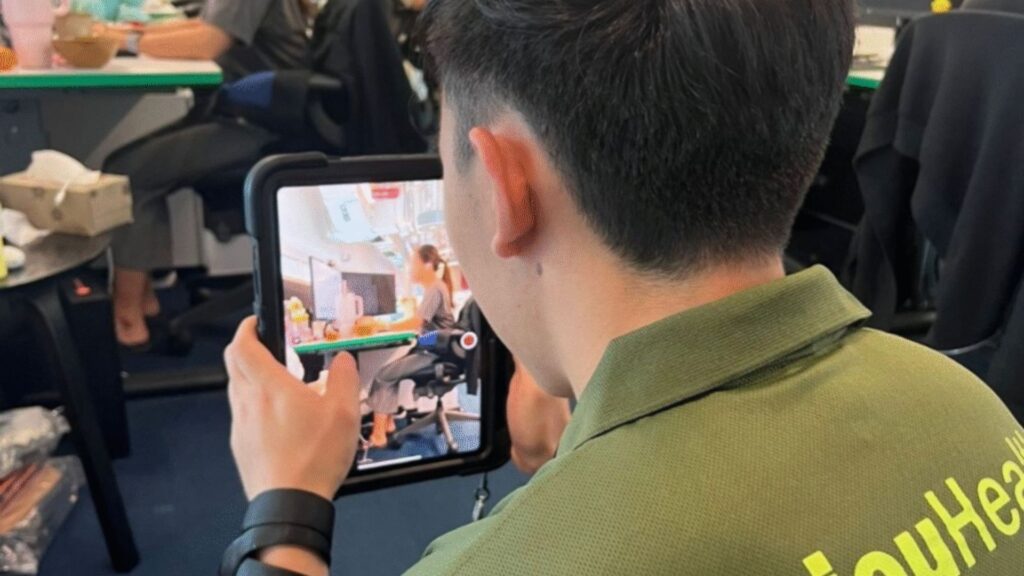
- Health screenings
- Ergonomic risk identification and assessment
- Workplace health assessment
Education and Awareness

- Injury prevention education
- Fatigue and stress awareness
- Safe work practices for office and hybrid environments
Workplace Ergonomics Assessment

- Ergonomic assessments for office and remote staff
- Identification of workdesk related MSD risks
- Recommendations aligned with actual job tasks
- Customised adjustments to table and chair height
At AnjouHealth, many organisations integrate wellness with structured assessments such as:
- Workdesk ergonomics assessments
- Ergonomic risk assessments
- WMSD prevention programmes
- Workplace WHS risk assessments
Examples of Corporate Wellness Programmes in Singapore
For SMEs
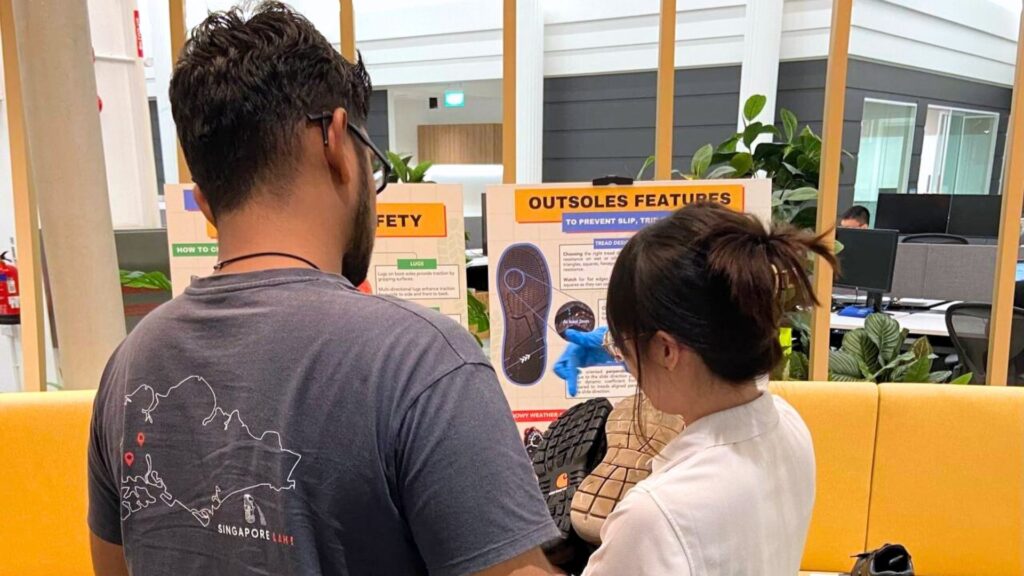
- Annual health and ergonomics screening
- Short, targeted workplace education sessions
- Practical workstation optimisation guidance
For MNCs
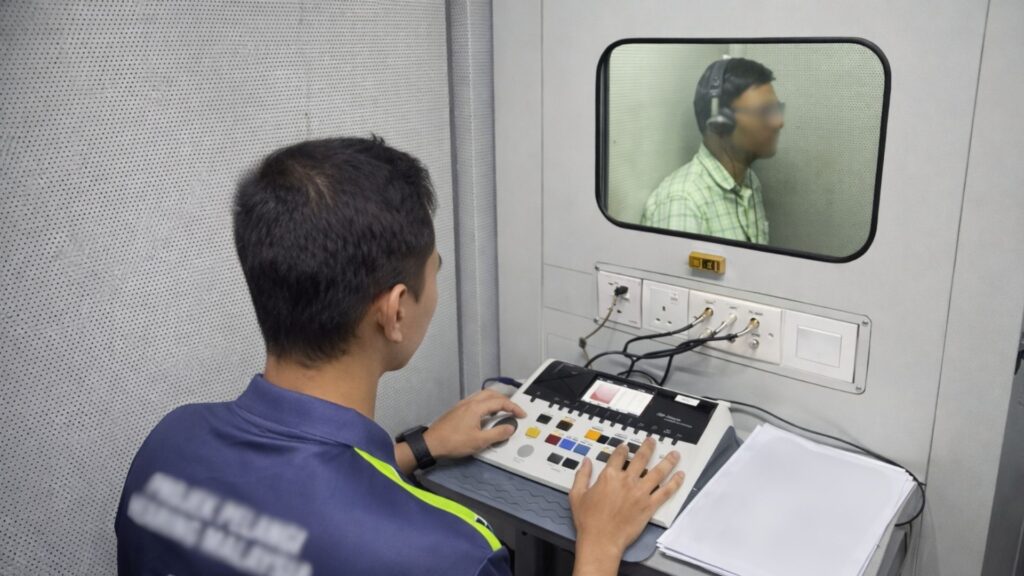
- Organisation-wide wellness frameworks
- Hybrid work ergonomics support
- Ongoing assessment, reporting, and review
The key difference is not scale, but structure. Even smaller organisations can implement effective programmes when efforts are focused and well-planned.
How Employers Can Get Started with Corporate Wellness Programmes in Singapore
From a business development and workplace risk perspective, I usually advise employers to begin with a structured, risk-based approach rather than jumping straight into activities.
1. Understand Your Workforce Risks
Before implementing any programme, employers need clarity on what their workforce is actually exposed to.
This includes reviewing:
- Job roles and daily work patterns
- Screen time and sedentary exposure
- Hybrid or remote work arrangements
- Physical demands such as prolonged standing, manual handling, or repetitive movements
Without this understanding, wellness initiatives can become generic and disconnected from real operational risks.
2. Start with Assessment, Not Assumptions
Effective corporate wellness programmes are built on real risk data, not templates.
A professional workplace assessment typically involves:
- Observing how employees perform their tasks
- Evaluating workstation setup and posture
- Identifying ergonomic risk factors (e.g., screen height, chair support, desk depth)
- Reviewing workload patterns and break frequency
- Analysing musculoskeletal risk using structured tools such as ergonomic assessment frameworks
This process provides objective clarity on where discomfort, fatigue, or productivity loss may be originating.
For example, during a desk assessment, we may identify that an employee’s monitor is too low, causing sustained neck flexion. A simple adjustment, such as a laptop stand or monitor riser, can significantly reduce strain. In other cases, adding a footrest improves lower-limb support, or adjusting the chair height restores proper hip-knee alignment.
Small interventions, when targeted correctly, can prevent larger issues from developing.
3. Implement Targeted Interventions
Once risks are identified, interventions should be practical and sustainable.
Focus on:
- Practical changes employees can maintain long-term
- Adjustments that address root causes, not just symptoms
- Education that empowers employees to self-correct
Examples may include ergonomic equipment adjustments, workstation redesign, posture coaching, movement micro-break strategies, or structured stretching protocols relevant to specific job roles.
The goal is not to overhaul everything, but to implement changes that meaningfully reduce strain while supporting productivity.
4. Review and Adapt
Corporate wellness is not a one-off initiative.
Work patterns evolve, teams expand, and operational demands shift. Regular review ensures programmes remain aligned with current workplace risks.
Research in occupational health and safety frameworks often recommends reviewing workplace risk assessments at least annually, or whenever there are significant changes in job scope, environment, or workforce structure. In higher-risk industries, reviews may be conducted more frequently.
Periodic re-assessment allows organisations to identify emerging trends early, before discomfort translates into absenteeism or reduced performance.
Who Should Manage Corporate Wellness Programmes?
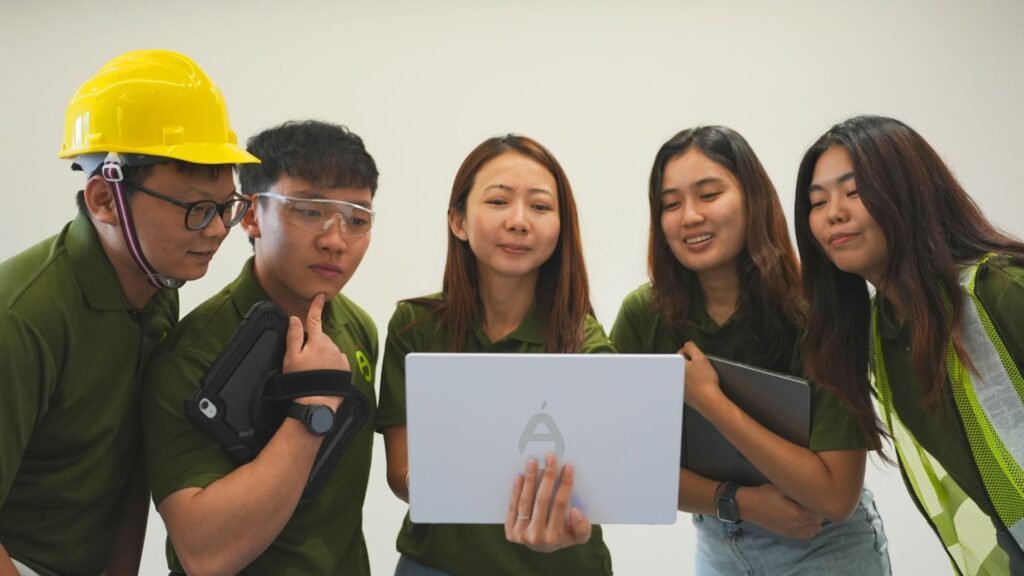
Ideally, corporate wellness programmes are overseen collaboratively by:
- HR teams
- Operations or management
- HSE / WSH officers
External specialists play an important role in:
- Conducting assessments objectively
- Providing clinical and ergonomic expertise
- Supporting implementation without overloading internal teams
Common Misconceptions About Corporate Wellness Programmes
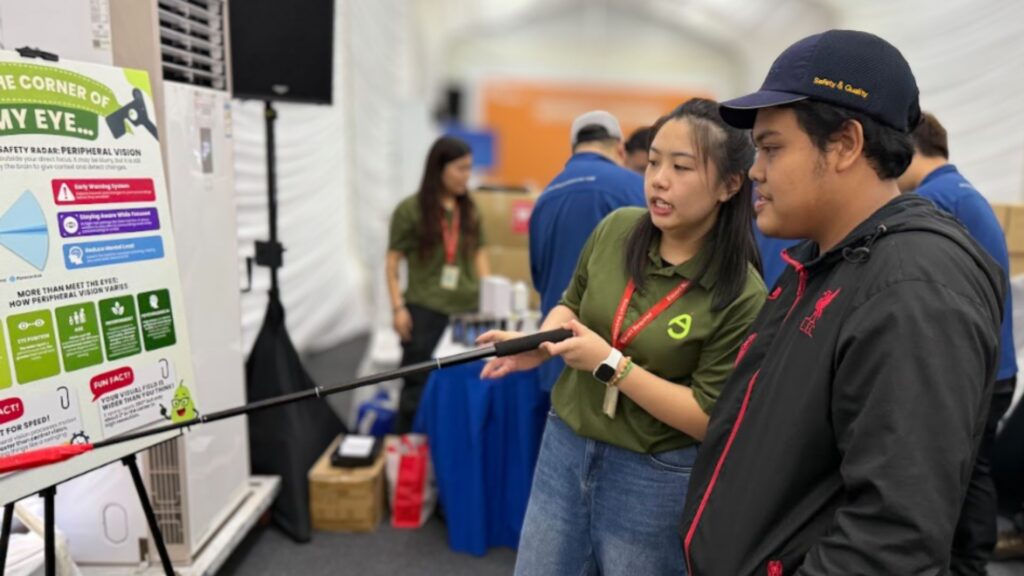
- “Corporate wellness is only for large companies.”
- “Wellness programmes are expensive.”
- “Wellness just means talks or fitness activities.”
- “We only need wellness when employees complain.”
These assumptions often delay action and increase long-term risk.
How AnjouHealth Supports Corporate Wellness in Singapore
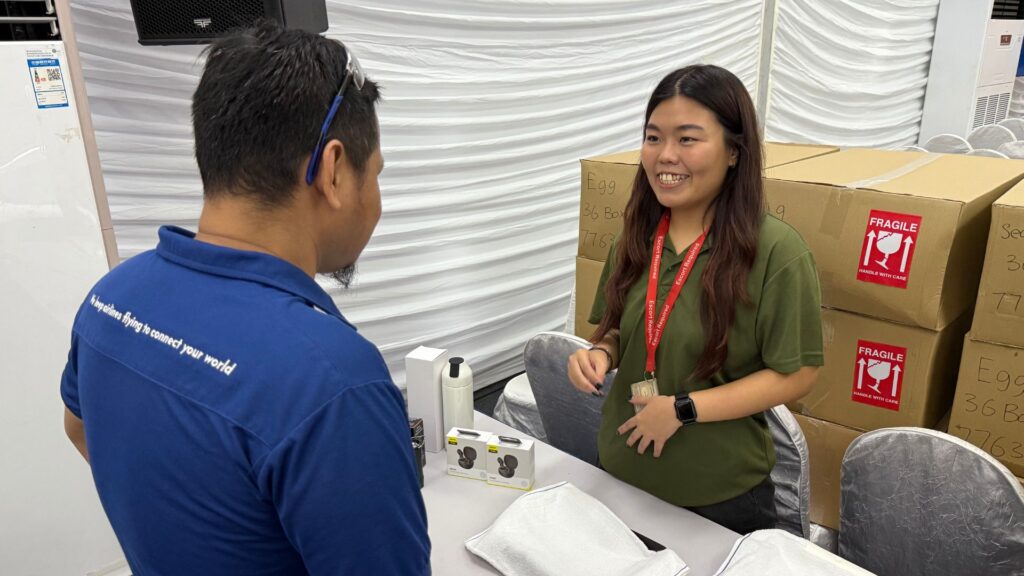
At AnjouHealth, we work closely with employers to design practical, scalable corporate wellness programmes grounded in real workplace risks, not generic wellness templates.
Our approach focuses on:
- Assessment-led planning
We begin every engagement by understanding your operational environment through structured workplace risk assessments, ensuring programmes address real exposure points rather than assumptions.
- Evidence-based recommendations
Our interventions are grounded in occupational health and ergonomics science, focusing on practical measures such as workstation optimisation, task redesign, posture coaching, and movement strategies aligned with actual job demands
- Alignment with Singapore workplace realities
We understand the operational pressures employers face. Our corporate wellness programmes in Singapore integrate seamlessly into existing workflows, supporting SMEs, MNCs, and high-DSE workplaces without disrupting productivity. All recommendations align with local WSH requirements and practical business realities.
- Supporting employers without adding operational burden
Corporate wellness should ease operational strain, not add administrative burden. Our corporate wellness programmes in Singapore include structured implementation roadmaps, clear reporting, and ready-to-use communication materials, enabling HR and operations teams to roll out initiatives efficiently and with minimal coordination effort.

For example, in a recent desk-based corporate engagement, we identified recurring neck and lower back complaints across multiple departments. Instead of launching a generic stretching campaign, we:
- Conducted targeted workstation assessments
- Adjusted monitor heights and seating setups
- Introduced practical micro-break frameworks
- Delivered short, job-specific posture education sessions
Within months, the organisation reported reduced musculoskeletal complaints and improved employee comfort during prolonged screen tasks.
In another engagement involving prolonged standing roles, we implemented footwear guidance, anti-fatigue mat recommendations, and task rotation strategies, resulting in measurable reductions in reported lower limb discomfort.
Frequently Asked Questions (FAQs)
- What is a corporate wellness programme?
A corporate wellness programme is a structured initiative designed to improve employee health, reduce workplace risks, and support productivity.
- Why are corporate wellness programmes important in Singapore?
Rising work demands, sedentary roles, and hybrid arrangements increase risks of stress and musculoskeletal issues, affecting performance and absenteeism.
- Do corporate wellness programmes improve productivity?
Yes, when they are assessment-led and targeted to actual workplace risks rather than generic activities.
- Can corporate wellness programmes reduce absenteeism?
Yes. Early identification and preventive interventions help stop minor discomfort from escalating into medical leave.
- What are examples of corporate wellness programmes?
Ergonomic assessments, posture workshops, movement break frameworks, stress management sessions, and job-specific risk interventions.
- How can employers get started?
Begin with a professional workplace assessment to identify key risks, then implement practical, scalable interventions.
- How often should programmes be reviewed?
At least annually, or when there are changes in workforce structure, job scope, or recurring health complaints.
- Are corporate wellness programmes expensive?
Not necessarily. Many effective interventions are low-cost and prevent higher long-term injury and productivity costs.
Get Started with AnjouHealth Today

If you’re considering how corporate wellness programmes could support your organisation, the best place to begin is understanding your current risk profile.
Speak to our team at AnjouHealth to explore how a structured, preventive corporate wellness programme can support employee wellbeing, productivity, and long-term organisational resilience in a way that’s practical, achievable, and relevant to Singapore workplaces.
Occupational Health & Employee Well-Being Resources from AnjouHealth
This guide is part of AnjouHealth’s Occupational Health & Employee Well-Being resource series. You may also find these related articles helpful:
- World Cancer Day & Corporate Wellness Programmes in Singapore
(How corporate wellness initiatives can support long-term employee health awareness and preventive care.) - Workplace Ergonomics in Singapore: Office Setup & WSH Considerations
(A practical guide to reducing ergonomic risks in office environments and supporting compliance under WSH frameworks.)
Explore our full Occupational Health & Workplace Safety Blog for practical, employer-focused guidance on improving workforce health, reducing absenteeism, and strengthening workplace safety culture.