
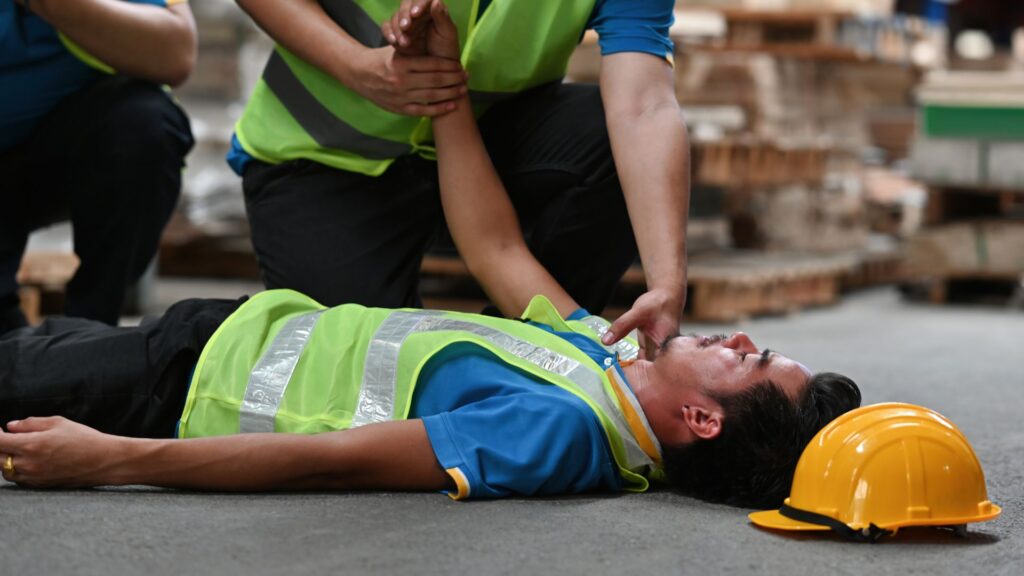
Falls Don’t “Just Happen”
Every day, we walk through workplaces that look perfectly safe, with smooth floors, clear signs, and workers in full PPE. Yet, even in these well-managed environments, there are still people nearly tripping over cables, slipping on tiny patches of oil, or losing balance when rushing to meet a deadline.
The truth is, most workplace falls aren’t caused by faulty floors; they’re caused by our habits.
According to Singapore’s Workplace Safety and Health (WSH) statistics, slips, trips, and falls (STFs) consistently rank among the top causes of workplace injuries.
So today, let’s talk about the hidden everyday behaviours that secretly increase your fall risk and what you can do to stay steady on your feet.
1. Rushing Between Tasks
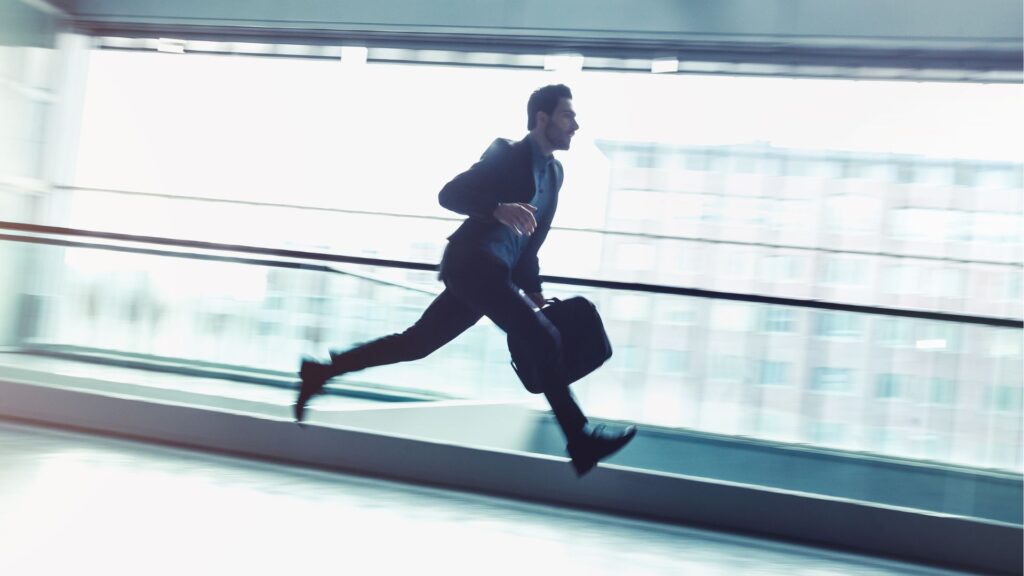
In fast-paced environments like manufacturing lines or data centres, we often move quickly to meet operational demands. But rushing shortens your reaction time and reduces your ability to notice uneven flooring, wet areas, or misplaced cables.
It’s one of the most common causes of workplace falls, especially during shift changes or urgent maintenance calls. When you hurry, your brain prioritises speed over stability, and a single misstep can lead to an ankle sprain or worse.
What to do instead:
- Take a brief pause before moving, especially when turning corners or entering a new area.
- Avoid running or brisk walking inside production zones.
- Factor in transition time between tasks to reduce mental and physical pressure.
Falls are not a sign of carelessness; they’re often the body’s reminder that it needs a moment to catch up.
2. Multitasking While Walking

One of the questions we get is:
“How does multitasking or distraction cause accidents at work?”
The answer lies in your divided attention. When you’re carrying tools, checking your phone, or reading a work order on the move, your eyes and brain are focused elsewhere, not on where your feet are going.
Studies show that every glance at your phone can shorten your stride and slow your reaction, which increases the chance of tripping. In workplaces with cables, trolleys, or open floor panels, that split second matters.
What to do instead:
- Designate “safe zones” for device use.
- Practise mindful walking; keep your gaze forward, not downward at screens.
Multitasking might make you feel efficient, but when it comes to safety, single-tasking wins.
3. Fatigue from Long or Rotating Shifts
Another common question I hear is:
“Why do people fall more easily when they’re tired?”
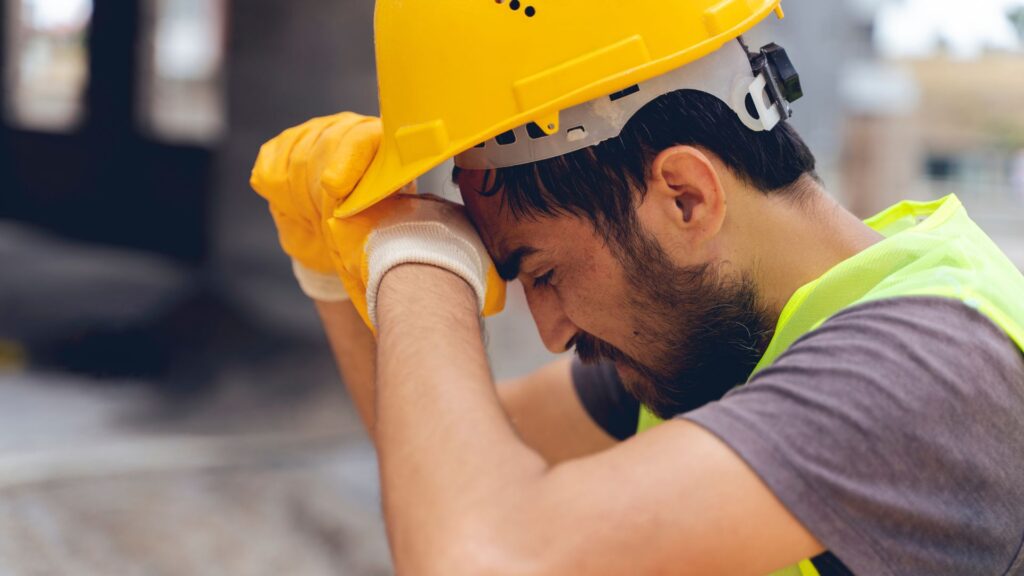
Fatigue affects coordination, balance, and reaction speed, the three ingredients that prevent falls.
In manufacturing or data centre environments, night shifts and long hours are part of the job. But chronic tiredness dulls the body’s built-in warning systems, making it harder to notice slippery spots or adjust balance after a misstep.
A 2021 study found that people who feel fatigued are up to 3.5 times more likely to experience a fall than those who are well rested.
What to do instead:
- Rotate tasks to avoid prolonged standing or repetitive strain.
- Stay hydrated; even mild dehydration worsens fatigue.
- Encourage micro-breaks every 2–3 hours, especially during night shifts.
Fatigue is invisible, but its effects are physical. A quick stretch or drink of water could be your best fall-prevention tool.
4. Wearing the Wrong Footwear
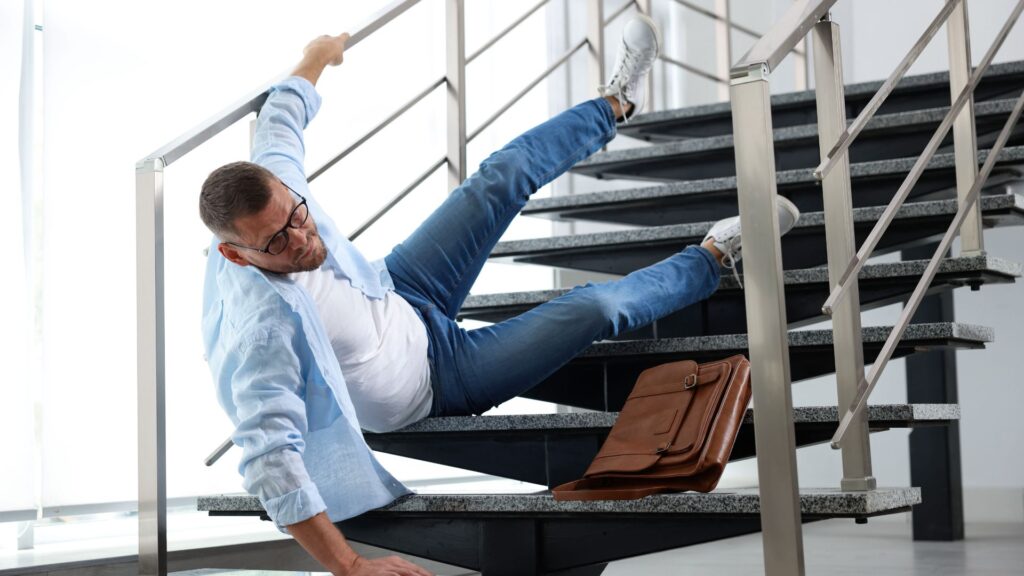
You’d be surprised how many workplace injuries start from the ground up.
“What type of footwear helps prevent falls?”
Footwear with poor grip, worn-out soles, or the wrong size can easily make you slip, especially on smooth epoxy, oily, or wet floors. In manufacturing plants and data centres, workers may also wear antistatic shoes, which, if not maintained, can lose traction over time.
Wearing non-slip shoes with firm ankle support reduces fall risk. For workplace settings, WSH Council also recommends shoes that are oil-resistant and fit well to prevent ankle instability.
What to do instead:
- Inspect soles regularly, and replace them when worn.
- Use non-slip, oil-resistant footwear certified for your work zone.
- Avoid walking in socks or slippers in operational areas, even for a quick task.
Your shoes are part of your safety gear, not just a comfort choice.
5. Ignoring Balance, Posture, and Environment
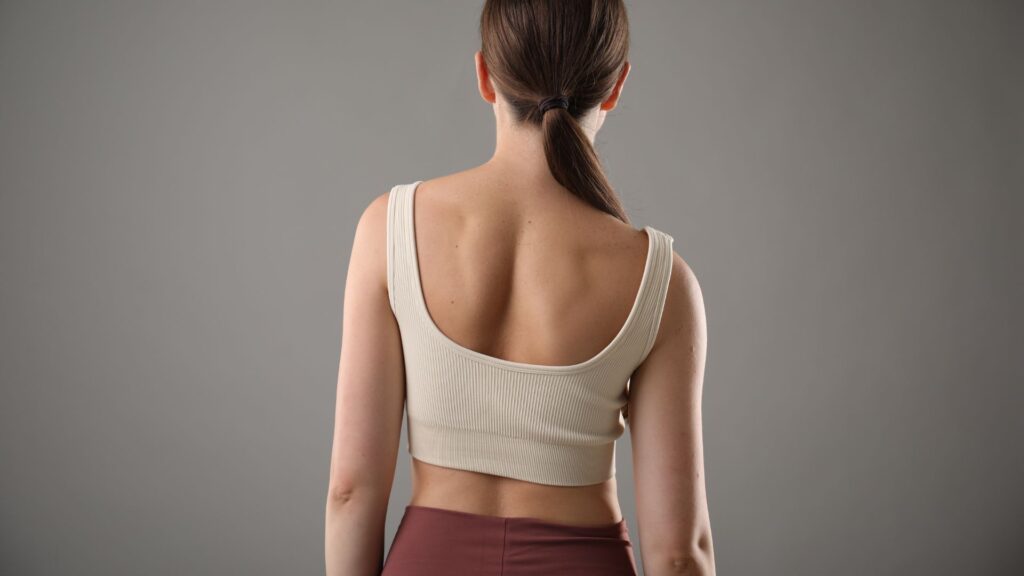
“How can I improve my balance and stability?”
Many people overlook posture and balance training once they start working full-time. But good posture keeps your centre of gravity stable, while balance exercises train your muscles to react quickly when you stumble.
Regular strength and flexibility routines, such as simple heel raises or single-leg stands, to maintain balance. Even short stretching breaks during shifts can reduce stiffness and improve coordination.
Environmental awareness is equally important. Cluttered walkways, uncoiled cables, and spilled liquids remain the top contributors to workplace falls.
What to do instead:
- Keep pathways, stairways, and server aisles free from clutter.
- Add anti-slip mats near entrances or areas prone to spills.
- Schedule quick team stretch sessions before the shift starts.
A balanced body and a tidy environment work hand-in-hand to prevent accidents.
Bonus: The Role of Vision, Medication, and Age
You might wonder:
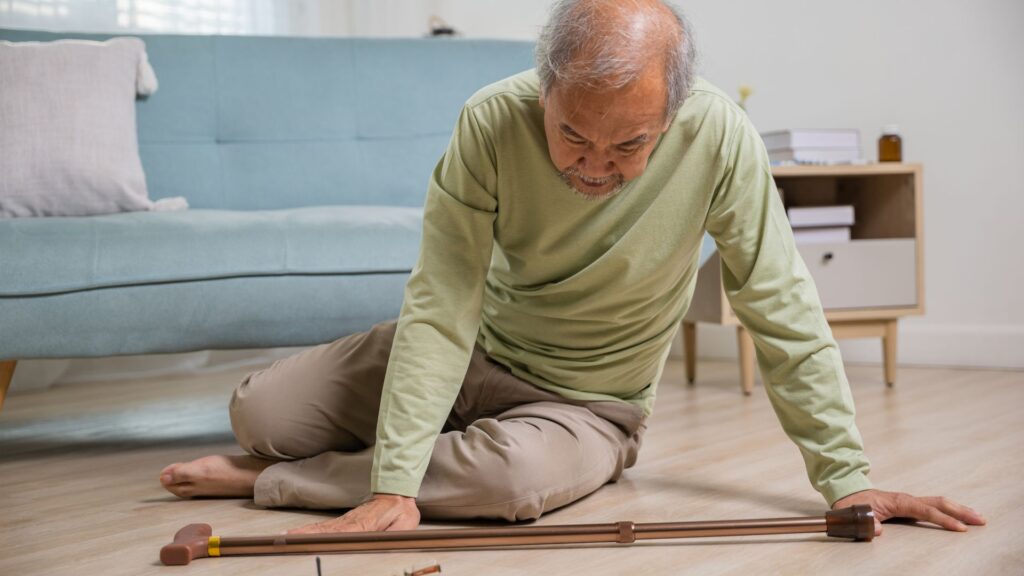
“Why do older adults fall easily, and what can workplaces do about it?”
Vision changes and certain medications can cause dizziness or slower reaction times, especially for older workers. HealthHub Singapore recommends regular eye checks and medication reviews to manage these risks.
Workplaces can support older staff by:
- Improving lighting in corridors and workstations.
- Marking elevation changes clearly with contrasting colours.
- Providing anti-slip floor coatings or mats in high-traffic areas.
Putting It All Together: A Quick Workplace Checklist
Use this 5-point AnjouHealth checklist to strengthen your fall-prevention programme:
| Area | What to Check | Frequency |
| Footwear | Non-slip, good tread, fits well | Weekly |
| Environment | Floors dry, cables secured, clutter cleared | Daily |
| Fatigue | Break schedule and hydration reminders | Every shift |
| Awareness | No phone use while walking, clear signage | Ongoing |
| Balance | Quick team stretch or posture check | Start/end of shift |
Small Habits, Big Difference
Most falls aren’t random; they’re predictable and preventable.
The problem is that these risks hide in plain sight, woven into our everyday habits: rushing, multitasking, ignoring fatigue, or skipping footwear checks.
By recognising these patterns early, companies can protect not just their people, but also their productivity and morale. When one employee falls, the ripple effects touch everyone, from operations to HR to safety culture.
At AnjouHealth, we believe safety doesn’t have to be boring. Through our workplace education programmes, we aim to make safety awareness engaging, visual, and lasting.
Ready to Build a Fall-Free Workplace?
Start by observing, not just your floors, but your habits. If you’d like to bring AnjouHealth’s Safety Awareness Campaign to your manufacturing plant or data centre, reach out to us at AnjouHealth.sg/contact for a workplace safety consultation.
Together, let’s make every step a safe one.