


Written by
Bryan Sim, Business Development at AnjouHealth
An OHS programme developer at AnjouHealth focused on designing workplace health and safety initiatives that help organisations create safer, healthier, and more engaged environments. He works on translating ergonomic assessments and workplace risk insights into practical initiatives such as safety campaigns, wellbeing programmes, and workplace interventions that are impactful, sustainable, and aligned with operational needs.
Quick Summary: What Is an Occupational Health & Safety Program?
An occupational health & safety (OHS) program is a structured system that organisations use to manage workplace risks and protect employees from injury, illness, and unsafe conditions. It brings together hazard identification, risk assessment, safety procedures, training, health surveillance, and incident management into one coordinated framework that supports day-to-day operations.
In Singapore, an OHS program should align with the Workplace Safety and Health (WSH) Act and related regulations, which require employers to take reasonably practicable measures to ensure the safety and health of their workers. A well-designed program enables employers to move from reactive responses after accidents to proactive risk prevention, while strengthening compliance, morale, and productivity.
A practical OHS program usually includes:
- Workplace hazard identification and risk assessments
- Safety policies, procedures and safe work instructions
- Employee safety training and supervision
- Health surveillance and occupational health monitoring
- Incident and near-miss reporting and investigation
- Ongoing audits and continuous safety improvement
In This Blog
- What Is an Occupational Health & Safety Program
- Why Occupational Health & Safety Programs Matter
- Key Components of an OHS Program
- Workplace Safety Trends in Singapore
- How Employers Can Implement an OHS Program
- Benefits of a Strong Workplace Safety Program
- Occupational Health & Safety Resources from AnjouHealth
- Frequently Asked Questions
What Is an Occupational Health & Safety Program?
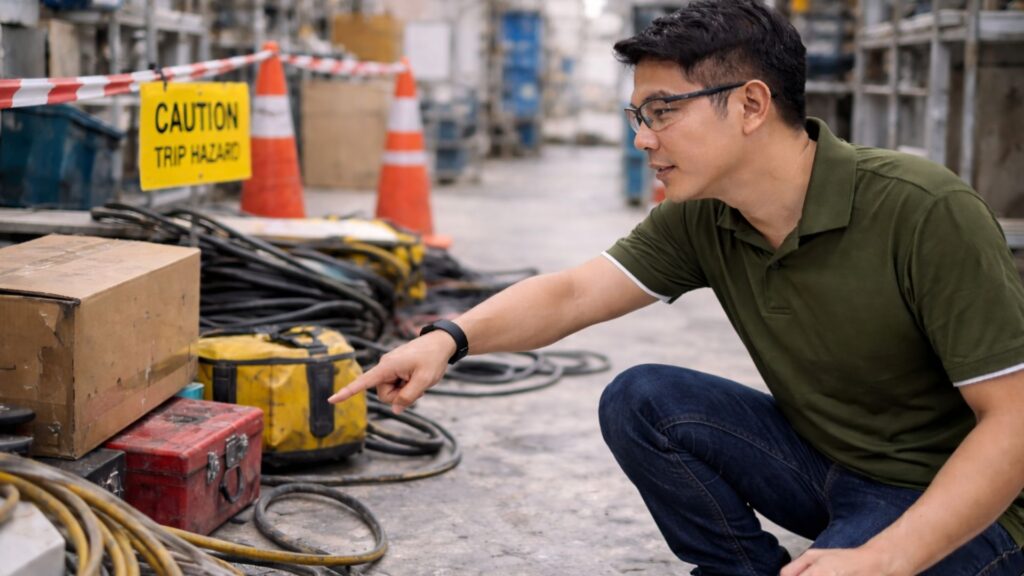
An Occupational Health & Safety (OHS) program refers to a structured framework used by organisations to manage workplace safety and employee health risks.
The program aims to:
- Identify workplace hazards
- Assess risks associated with work activities
- Implement control measures to reduce those risks
- Promote safe work practices among employees
In Singapore, these efforts align closely with the Workplace Safety and Health (WSH) Act, which requires employers to take reasonably practicable measures to ensure the safety and health of their workers.
An effective occupational health & safety program ensures that safety practices are embedded into everyday workplace operations.
Why Occupational Health & Safety Programs Matter

Workplace hazards are often not dramatic events but routine issues that gradually increase risk.
For example:
- Poorly designed workstations leading to musculoskeletal strain
- Repeated manual handling tasks without proper training
- luttered walkways causing slips or trips
- Exposure to chemicals or hazardous substances
Without a structured safety program, these issues may remain unnoticed until they lead to workplace injuries, absenteeism, or operational disruptions.
An occupational health & safety program helps organisations identify these risks early and manage them systematically.
Key Components of an Occupational Health & Safety Program
A comprehensive OHS program typically includes several key elements.
1. Hazard Identification and Risk Assessment

Organisations must identify workplace hazards and evaluate the level of risk associated with them.
This may involve:
- Workplace safety inspections
- Task-based risk assessments
- Ergonomic assessments
- Hazard reporting systems
2. Safety Policies and Procedures
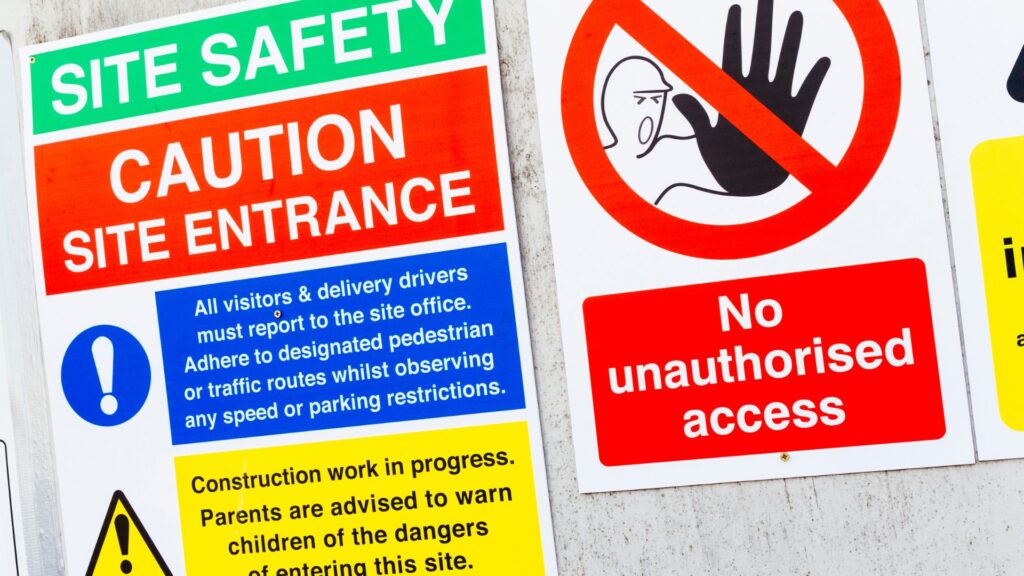
Clear workplace safety policies help employees understand how work should be carried out safely.
These policies may include:
- Safe work procedures (SWP)
- Job safety analysis (JSA)
- Emergency response plans
3. Safety Training and Awareness
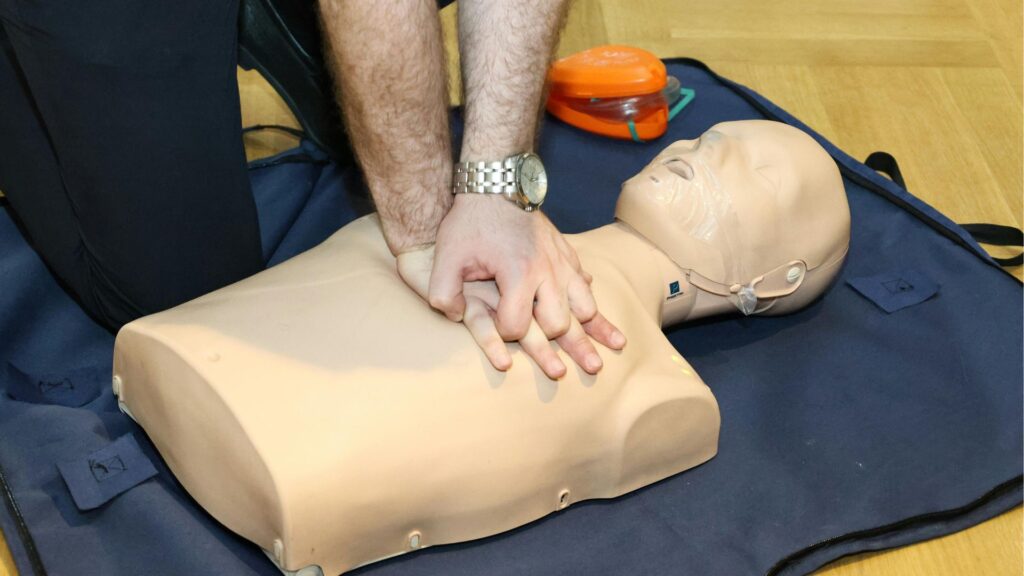
Employee training is essential to ensure workers understand potential hazards and safe work practices.
Training programs may cover:
- Workplace hazard recognition
- Emergency procedures
- Manual handling techniques
- Equipment safety
4. Occupational Health Monitoring
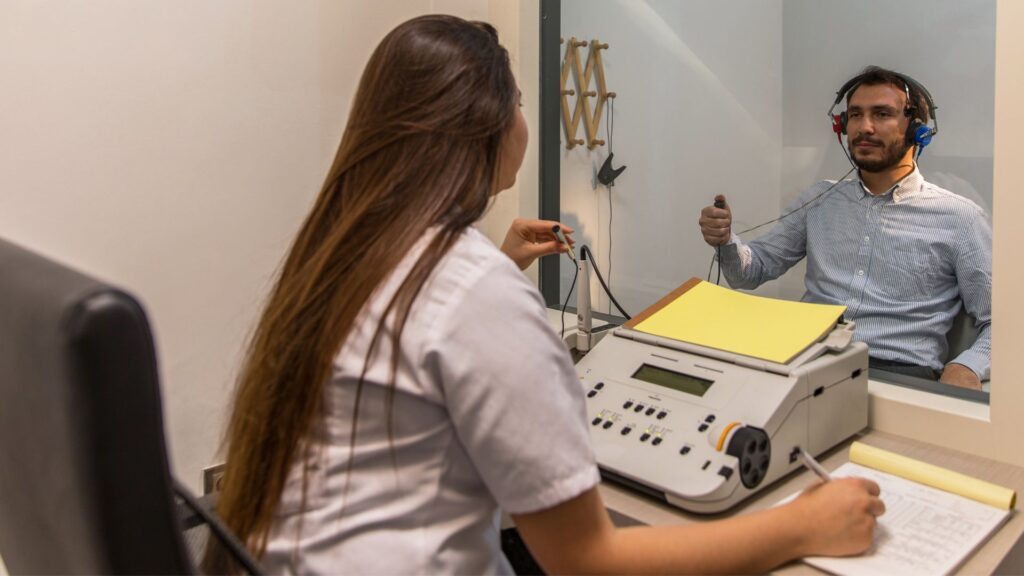
Occupational health programmes help detect early signs of work-related health risks.
Examples include:
- Hearing conservation programs
- Health surveillance for hazardous exposure
- Ergonomic assessments
- Workplace health screening initiatives
5. Incident Reporting and Investigation

Workplace incidents and near misses should be reported and investigated promptly.
Understanding why incidents occur helps organisations improve safety measures and prevent recurrence.
6. Continuous Safety Improvement

Safety programs should evolve over time through:
- Regular safety audits
- Employee feedback
- Updated training and policies
Continuous improvement helps organisations adapt to new risks and operational changes.
Workplace Safety Trends in Singapore
Singapore has made significant progress in improving workplace safety through strong regulations and national WSH initiatives.
However, many workplace incidents still occur due to common and preventable hazards.
Across different industries, recurring workplace risks often include:
- Slips, trips, and falls
- Machinery-related incidents
- Manual handling injuries
- Ergonomic strain
- Exposure to hazardous substances
As a result, many organisations in Singapore are strengthening their occupational health & safety programs by focusing on:
- Proactive hazard identification
- Workplace safety training
- Ergonomic risk management
- Employee health surveillance
These initiatives help organisations prevent injuries while building a stronger safety culture.
How Employers Can Implement an Occupational Health & Safety Program

Employers looking to establish an occupational health & safety program can follow several practical steps.
- Conduct Workplace Risk Assessments
Start by identifying workplace hazards across different departments and work activities.
- Engage Employees in Safety Discussions
Employees often understand workplace risks best. Encouraging open communication improves hazard identification.
- Develop Clear Safety Procedures
Create documented safe work procedures that guide employees on how tasks should be performed safely.
- Provide Safety Training
Ensure employees understand potential hazards and how to manage them safely.
- Monitor Workplace Health
Introduce occupational health initiatives such as health screening, ergonomic assessments, or exposure monitoring.
- Review and Improve Regularly
Safety programs should be reviewed regularly to ensure they remain effective and relevant.
Benefits of a Strong Occupational Health & Safety Program

Organisations that implement effective safety programs often experience several benefits.
These include:
- Reduced workplace injuries and incidents
- Improved employee well-being
- Lower absenteeism rates
- Increased productivity and morale
- Stronger compliance with safety regulations
Most importantly, a strong occupational health & safety program demonstrates an organisation’s commitment to protecting its workforce.
Occupational Health & Workplace Safety Resources from AnjouHealth
This guide is part of AnjouHealth’s Occupational Health & Workplace Safety resource series for employers and workplace safety professionals in Singapore.
You may also find these related resources helpful:
- Common Workplace Safety Hazards in Singapore
Understand the most frequent hazards observed across workplaces and how organisations can manage them effectively.
- Workplace Injury Management in Singapore
Learn how organisations can respond to workplace injuries and support employees returning to work.
- Workplace Safety Training in Singapore
Discover how safety training programmes help employees recognise hazards and strengthen workplace safety awareness.
Explore our full Occupational Health & Workplace Safety Blog for more practical guidance on improving workplace safety and workforce health.
Frequently Asked Questions (FAQs)
- What is an occupational health & safety program?
An occupational health & safety program is a structured system used by organisations to identify workplace hazards, manage risks, and protect employees from injury or illness.
- Why are occupational health & safety programs important?
These programs help organisations reduce workplace incidents, improve employee health, and comply with workplace safety regulations.
- Who is responsible for workplace safety in Singapore?
Employers are responsible for ensuring workplace safety under the Workplace Safety and Health Act, but employees and supervisors also play an important role in maintaining safe work practices.
- What industries require occupational health & safety programs?
Occupational health & safety programs are important across all industries, including offices, healthcare, manufacturing, logistics, and construction.
- How can companies improve workplace safety?
Companies can improve workplace safety by conducting regular risk assessments, providing employee training, implementing safe work procedures, and encouraging employees to report hazards.
Strengthening Workplace Health & Safety in Your Organisation

Building a strong occupational health & safety program helps organisations prevent injuries, improve employee well-being, and maintain safe working environments.
At AnjouHealth, we support organisations in Singapore with workplace hazard assessments, occupational health initiatives, and workplace safety training programmes designed to strengthen workplace safety culture.
Reach out to learn how your organisation can build a more proactive occupational health and safety program.