

Written by Wesley Chee, Ergonomist at AnjouHealth and Physiotherapist at Physio & Sole Clinic
The problem: pain that doesn’t start with an accident
When people think about workplace injuries, they often picture slips, falls, or sudden incidents. But in my clinical and workplace work, the most common injuries I see don’t begin that way.
They start quietly.
- A stiff neck after long meetings.
- A sore lower back at the end of the workday.
- Wrist discomfort that feels “normal” after hours of typing.
In Singapore’s largely desk-based workforce, these symptoms are often dismissed as part of office life. Over time, however, they can develop into work-related musculoskeletal disorders (WMSDs), one of the most common and preventable workplace health issues today.

What is WMSD?
Work-related musculoskeletal disorders (WMSDs) are conditions affecting muscles, joints, tendons, ligaments, nerves, or soft tissues that are caused or aggravated by work activities.
WMSDs typically develop due to:
- Prolonged sitting or static postures
- Repetitive movements
- Poor workstation setup
- Awkward or sustained positions
- Insufficient recovery or movement
Commonly affected areas include the neck, shoulders, upper back, lower back, wrists, and forearms.
What is the difference between MSD and WMSD?
This distinction is important in the workplace.
- MSD (Musculoskeletal Disorder) is a general medical term referring to conditions of the musculoskeletal system, regardless of cause.
- WMSD (Work-Related Musculoskeletal Disorder) refers specifically to MSDs that are caused or made worse by work activities or work conditions.
In short, all WMSDs are MSDs, but not all MSDs are work-related.
This distinction matters when discussing prevention, ergonomics, and workplace responsibility.

Why is WMSD common in Singapore workplaces?
Singapore’s work environment creates ideal conditions for WMSDs to develop:
- Long hours in desk-based roles
- High laptop use, especially in hybrid and remote work
- Limited movement during the workday
- Early discomfort being normalised rather than addressed
National workplace health and safety guidance consistently highlights that WMSDs often develop gradually, making them easy to overlook until symptoms become persistent.
From my experience, by the time someone seeks help, the underlying ergonomic risks have often been present for months, sometimes even years.
What causes WMSD in the workplace?
WMSDs usually develop due to a combination of factors, rather than a single cause.
Common workplace causes include:
- Poor posture, such as a forward head position or slouched sitting
- Prolonged static postures, especially uninterrupted sitting
- Repetitive tasks, including keyboard and mouse use
- Inadequate workstation setup, such as an incorrect chair or screen height
- High workload and time pressure, reducing recovery time
When these factors occur together, the risk of WMSD increases significantly.

What are common WMSDs in office workers?
In office and desk-based roles, the most common WMSDs include:
- Neck and shoulder pain
- Lower back pain
- Wrist and forearm strain
- Tendon-related conditions (e.g, tendinitis)
- Nerve-related symptoms such as tingling or numbness
These conditions often start as mild discomfort but can worsen if ergonomic risks are not addressed.
What are the symptoms of WMSD?
WMSD symptoms vary but commonly include:
- Persistent or recurring pain
- Stiffness or tightness
- Muscle fatigue
- Reduced range of motion
- Tingling, numbness, or weakness
A key warning sign is when symptoms persist despite rest or consistently worsen during the workday.
Who has a higher risk of getting WMSD?
While anyone can develop a WMSD, higher-risk groups include:
- Office workers with prolonged desk work
- Employees using laptops without proper peripherals
- Hybrid and work-from-home workers with improvised setups
- Workers performing repetitive tasks
- Employees with high workloads and limited breaks
Risk increases when multiple factors overlap, for example, poor posture combined with long hours and minimal movement.
Is WMSD a workplace injury in Singapore?
WMSD can be considered a workplace injury when work activities or conditions contribute to its development.
While not every ache is immediately reportable, employers in Singapore are expected to identify and manage workplace risks. Ignoring known ergonomic risks increases the likelihood of WMSDs developing over time.
Why should employers prevent WMSD?
Preventing WMSDs benefits both organisations and employees.
From an employer’s perspective, prevention helps:
- Maintain productivity and focus
- Reduce absenteeism and presenteeism
- Lower long-term healthcare and compensation costs
- Support employee morale and retention
- Demonstrate commitment to workplace safety
From an employee’s perspective, it supports comfort, health, and sustainable work.
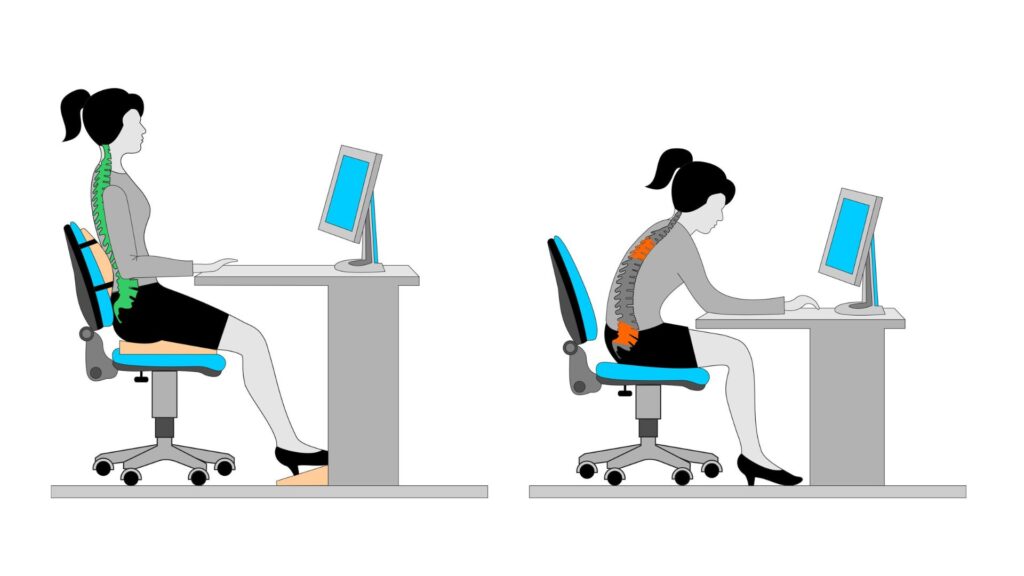
Can ergonomics help prevent WMSD?
Yes, ergonomics plays a central role in WMSD prevention.
Ergonomics focuses on designing work to fit people, rather than forcing people to adapt to poorly designed work.
How does ergonomics help prevent WMSD?
Ergonomics helps prevent WMSDs by:
- Identifying ergonomic risks early
- Improving workstation alignment
- Reducing unnecessary muscle strain
- Encouraging healthier movement patterns
- Supporting recovery through better task design
A key tool in this process is ergonomic risk assessment, which evaluates how work setup and tasks interact with the body.

When should WMSD be addressed?
The best time to address WMSDs is early.
Action should be taken when:
- Discomfort becomes frequent or persistent
- Symptoms worsen during the workday
- Pain affects productivity or concentration
- Employees rely on pain relief to get through work
Early intervention is far more effective than waiting until symptoms become chronic.
The solution: a preventive, ergonomics-led approach
From my experience working across clinical and workplace settings, the most effective organisations take a proactive approach to WMSD prevention.
This includes:
- Educating employees on early warning signs
- Conducting ergonomic risk assessments
- Reviewing workstation setups regularly
- Encouraging movement and recovery
- Addressing workload and work design factors
WMSDs are not inevitable; they are often preventable with the right systems in place.
Final thoughts
WMSDs don’t start with injuries. They start with everyday work habits and setups that slowly overload the body.
When employers recognise this early and invest in ergonomics and risk assessment, they protect both their people and the long-term sustainability of their organisation.
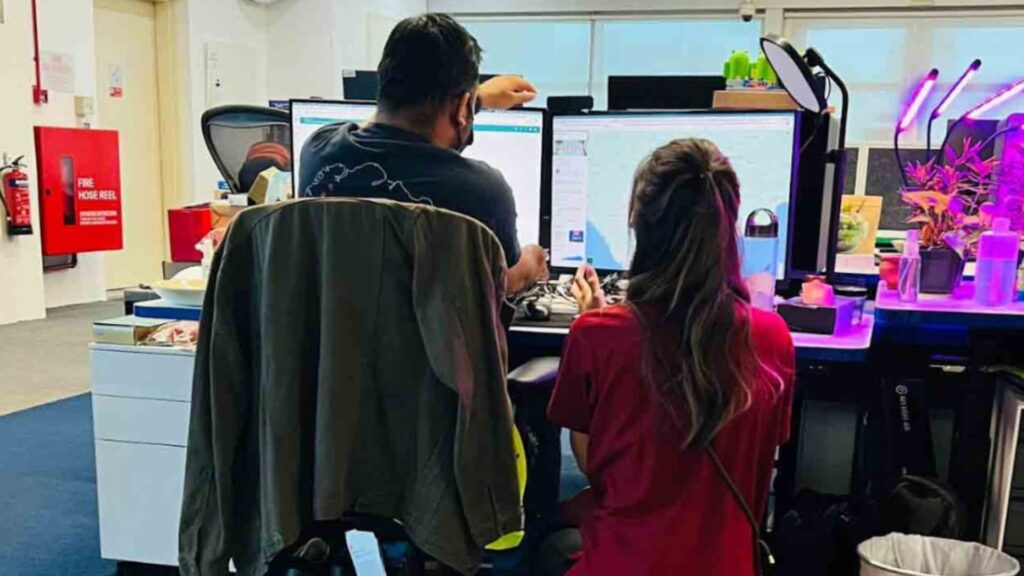
Ready to take the next step?
If your employees are experiencing discomfort, fatigue, or working in setups that haven’t been reviewed, it may be time to look more closely at WMSD risks in Singapore workplaces.
Get in touch with us to understand how ergonomics and ergonomic risk assessment can help reduce WMSD risk in your organisation.
FAQ: WMSD in Singapore
- What is WMSD?
WMSD refers to work-related musculoskeletal disorders caused or aggravated by workplace activities such as prolonged sitting, repetitive tasks, or poor ergonomics.
- What is the difference between MSD and WMSD?
MSD is a general medical term, while WMSD specifically refers to musculoskeletal disorders linked to work activities.
- What causes WMSD in the workplace?
Common causes include poor posture, prolonged static postures, repetitive movements, inadequate workstation setup, and insufficient recovery time.
- What are common WMSDs in office workers?
Neck pain, shoulder tension, lower back pain, wrist strain, and nerve-related symptoms are common.
- How can WMSD be prevented?
WMSDs can be prevented through ergonomic risk assessment, proper workstation setup, regular movement breaks, and early intervention.
- Is WMSD a workplace injury in Singapore?
WMSD may be considered work-related when workplace conditions contribute to its development.
- How does ergonomics help prevent WMSD?
Ergonomics reduces strain by improving work design, posture, and movement patterns.
- Who has a higher risk of getting WMSD?
Office workers, hybrid employees, laptop users, and workers performing repetitive tasks are at higher risk.
- When should WMSD be addressed?
WMSD should be addressed early when discomfort becomes frequent, persistent, or affects work performance.