


Written by
Bryan Sim, Business Development at AnjouHealth
An OHS programme developer at AnjouHealth focused on designing workplace health and safety initiatives that help organisations create safer, healthier, and more engaged environments. He works on translating ergonomic assessments and workplace risk insights into practical initiatives such as safety campaigns, wellbeing programmes, and workplace interventions that are impactful, sustainable, and aligned with operational needs.
Quick Summary
Workplace safety compliance in Singapore means taking reasonably practicable steps to identify risks, protect employees, and maintain safe work systems under the Workplace Safety and Health (WSH) framework.
Employers are expected to:
• Conduct workplace risk assessments
• Identify and control workplace hazards
• Provide workplace safety training
• Maintain safe work procedures
• Monitor workplace safety performance
• Support incident reporting and follow-up actions
Organisations that implement structured workplace safety systems are better prepared to meet regulatory expectations and reduce workplace injury risks.
In This Blog
- What Workplace Safety Compliance Means in Singapore
- Why Workplace Safety Compliance Matters for Employers
- Key Workplace Safety Compliance Requirements in Singapore
- Common Workplace Safety Compliance Gaps Organisations Face
- Workplace Safety Compliance Checklist for Employers
- How Risk Assessments Support Workplace Safety Compliance
- How Workplace Safety Training Strengthens Compliance
- How Ergonomic Risk Assessments Support Workplace Safety Compliance
- How Organisations Can Strengthen Workplace Safety Compliance Systems
- Frequently Asked Questions About Workplace Safety Compliance Singapore
What Workplace Safety Compliance Means in Singapore

Workplace safety compliance in Singapore refers to the steps organisations take to meet their responsibilities under the Workplace Safety and Health (WSH) Act and related safety regulations.
Rather than relying only on written policies, compliance involves implementing structured safety practices across daily workplace operations.
These typically include:
- Identifying workplace hazards
- Conducting risk assessments
- Implementing control measures
- Providing workplace safety training
- Maintaining safe systems of work
- Monitoring workplace safety performance
Workplace safety compliance is not a one-time requirement. It is an ongoing organisational process that supports safer working environments and reduces operational risk.
Why Workplace Safety Compliance Matters for Employers
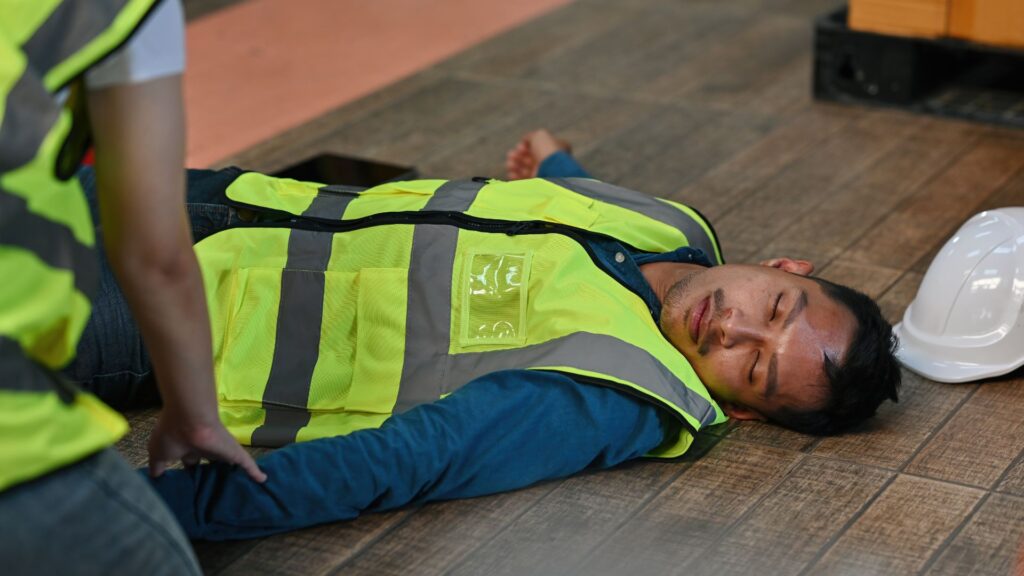
Maintaining workplace safety compliance helps organisations prevent incidents, protect employees, and strengthen operational continuity.
Organisations that implement structured safety systems are better positioned to:
- Reduce workplace injury risks
- Support employee well-being
- Improve audit readiness
- Strengthen safety culture
- Reduce operational disruptions following incidents
Workplace safety compliance also demonstrates that organisations are taking reasonably practicable steps to manage workplace risks effectively.
Key Workplace Safety Compliance Requirements in Singapore
Employers are expected to implement structured workplace safety measures aligned with Singapore’s WSH framework.
While requirements vary across industries, most organisations are expected to implement the following core safety practices.
Conduct Workplace Risk Assessments
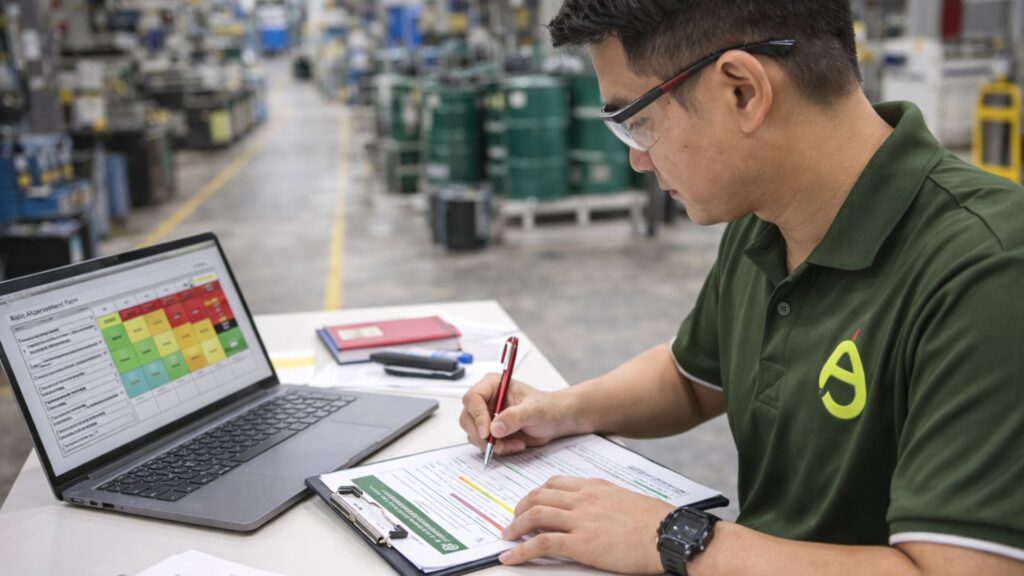
Risk assessments help organisations identify hazards early and prioritise safety improvements.
Structured assessments support:
- Hazard identification
- Risk evaluation
- Control implementation
- Documentation of safety measures
A structured WHS Risk Assessment in Singapore process forms one of the most important foundations of workplace safety compliance.
Identify and Control Workplace Hazards
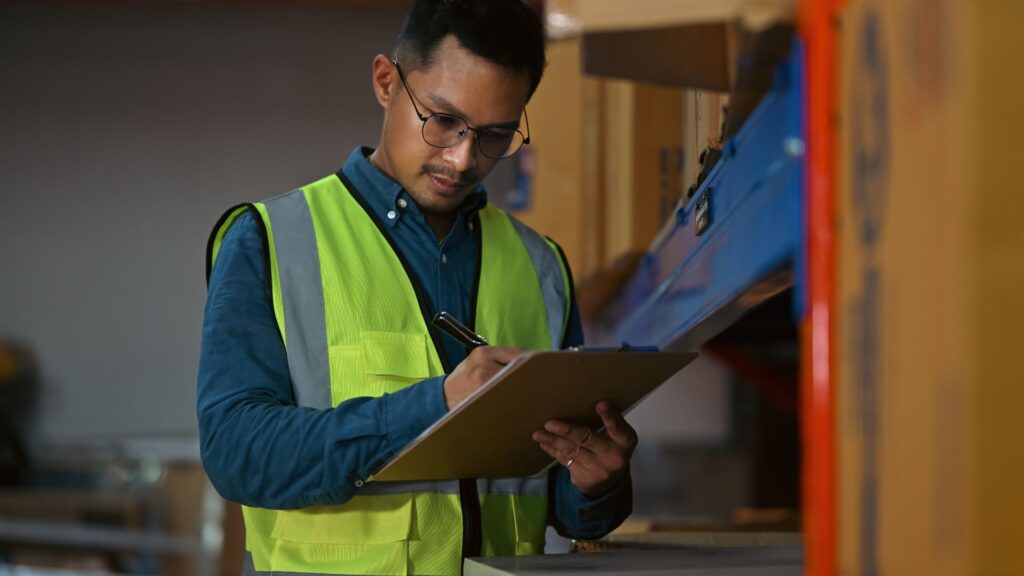
Workplace hazards may include:
- Physical risks
- Manual handling risks
- Ergonomic risks
- Environmental hazards
- Workflow-related risks
Regular hazard identification helps organisations prevent incidents before they occur.
You may find this guide helpful:
Provide Workplace Safety Training
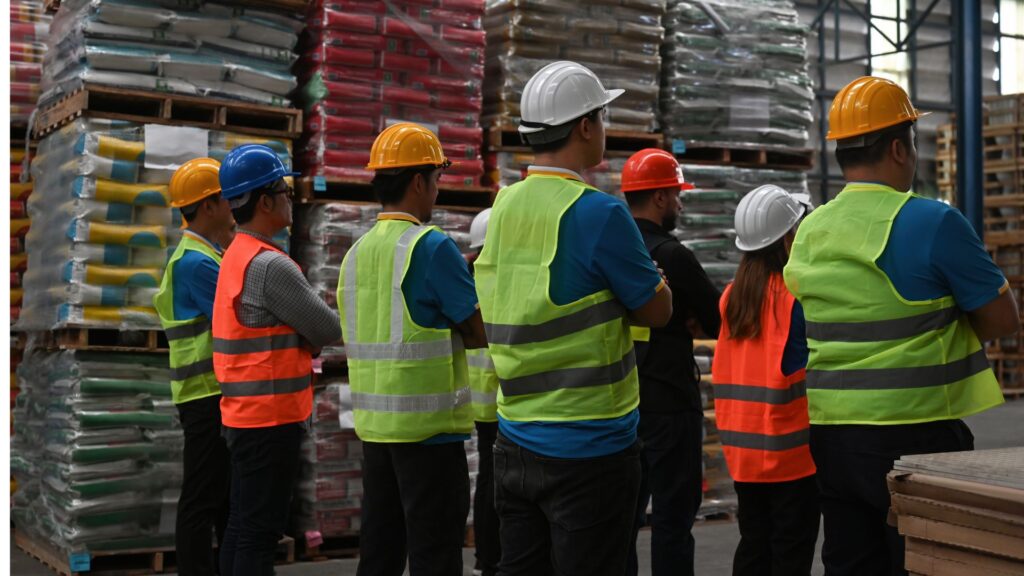
Training ensures employees understand how safety procedures apply to their roles and responsibilities.
Examples include:
- Workplace safety awareness training
- Manual handling training
- Emergency preparedness training
- Ergonomics awareness programmes
Structured Workplace Safety Training in Singapore programmes strengthen compliance readiness while improving workplace safety culture.
Maintain Safe Work Procedures
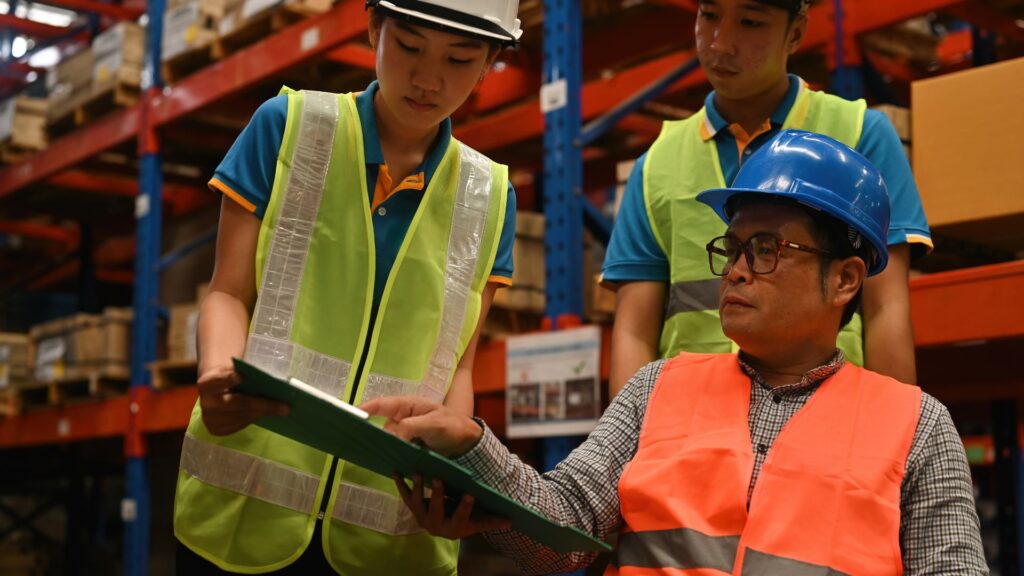
Safe work procedures help ensure tasks are performed consistently and safely across operations.
These procedures may include:
- Standard operating procedures (SOPs)
- Supervision arrangements
- Permit-to-work systems
- Hazard control workflows
Clear procedures improve workplace safety consistency and reduce uncertainty during daily operations.
Monitor Workplace Safety Performance

Organisations should review workplace safety performance regularly to identify improvement opportunities.
This may include:
- Reviewing incident reports
- Monitoring near-miss trends
- Evaluating safety training effectiveness
- Updating workplace safety procedures when needed
Monitoring helps organisations maintain strong safety systems over time.
Common Workplace Safety Compliance Gaps Organisations Face
Many organisations implement workplace safety measures but still experience gaps that affect compliance readiness.
Common gaps include:
- Incomplete workplace risk assessments
- Outdated safety procedures
- Inconsistent training coverage
- Unclear supervision responsibilities
- Limited ergonomic risk prevention measures
- Weak documentation of safety practices
Addressing these gaps helps organisations strengthen workplace safety systems and improve audit readiness.
Workplace Safety Compliance Checklist for Employers
Employers can strengthen workplace safety compliance by implementing structured safety practices such as:
- Conducting workplace risk assessments
- Identifying workplace hazards regularly
- Implementing safety control measures
- Providing workplace safety training
- Maintaining safe work procedures
- Reviewing workplace safety performance
- Supporting ergonomic risk prevention
- Managing workplace injury reporting processes
- Engaging a Designated Workplace Doctor (DWD) to support employee health monitoring and facilitate return-to-work (RTW) services
Organisations that maintain structured safety systems are better prepared to meet workplace safety expectations in Singapore.
How Risk Assessments Support Workplace Safety Compliance
Risk assessments form one of the most important foundations of workplace safety compliance.
A structured risk assessment helps organisations:
- Identify hazards early
- Prioritise safety improvements
- Reduce workplace injury risks
- Support inspection readiness
- Demonstrate compliance efforts
You may find this guide helpful:
How Workplace Safety Training Strengthens Compliance
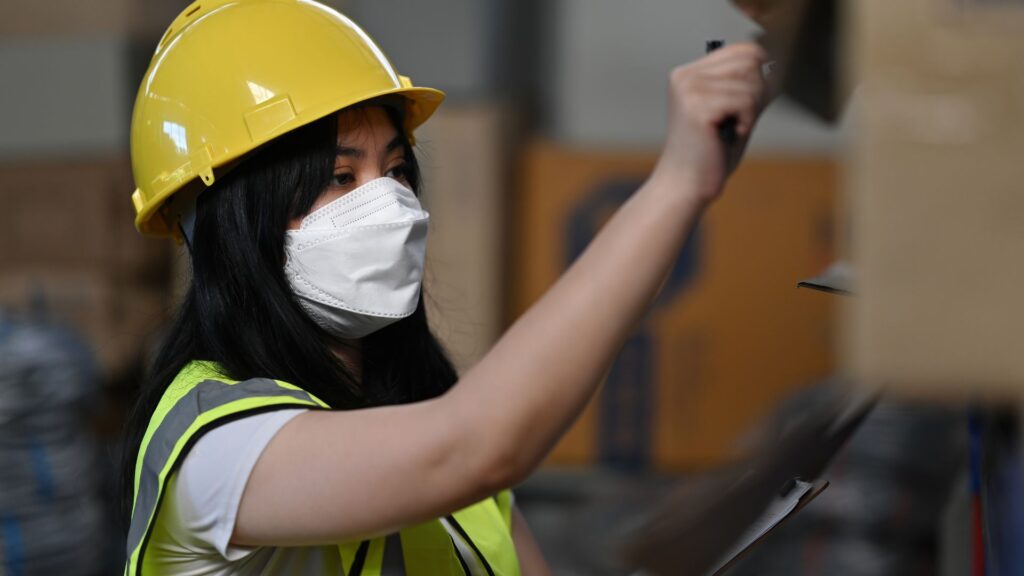
Training helps employees understand workplace safety expectations and apply safe work practices consistently.
Organisations that implement structured safety training programmes often experience:
- Improved safety awareness
- Stronger compliance readiness
- Reduced unsafe behaviour
- Better incident prevention outcomes
Learn more here:
How Ergonomic Risk Assessments Support Workplace Safety Compliance
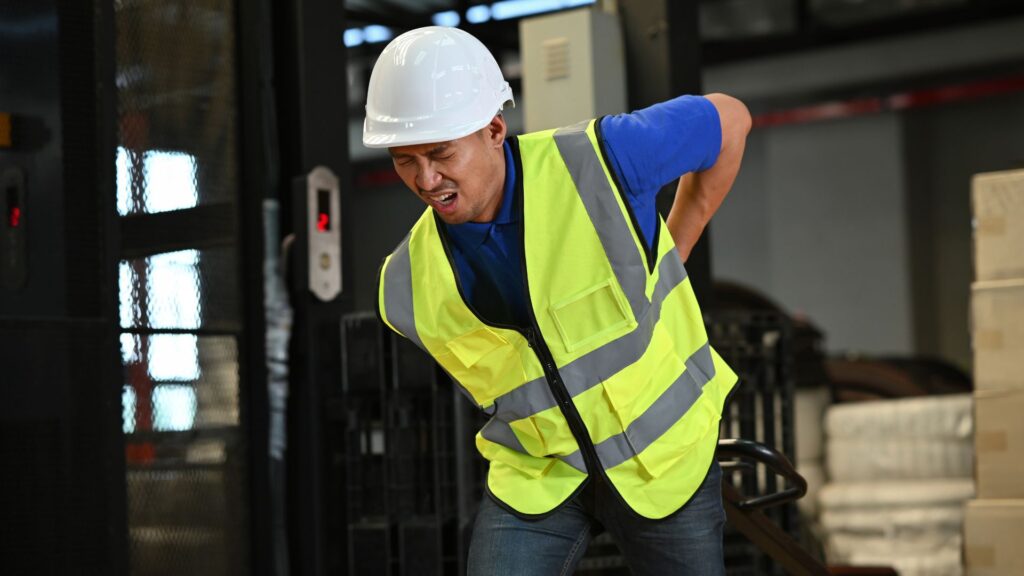
Ergonomic risks are one of the most common contributors to workplace injuries in office and operational environments.
Structured ergonomic risk assessments help organisations:
- Identify posture-related risks
- Reduce musculoskeletal strain
- Improve workstation setup
- Support long-term workforce health
You may also find this guide helpful:
How Organisations Can Strengthen Workplace Safety Compliance Systems
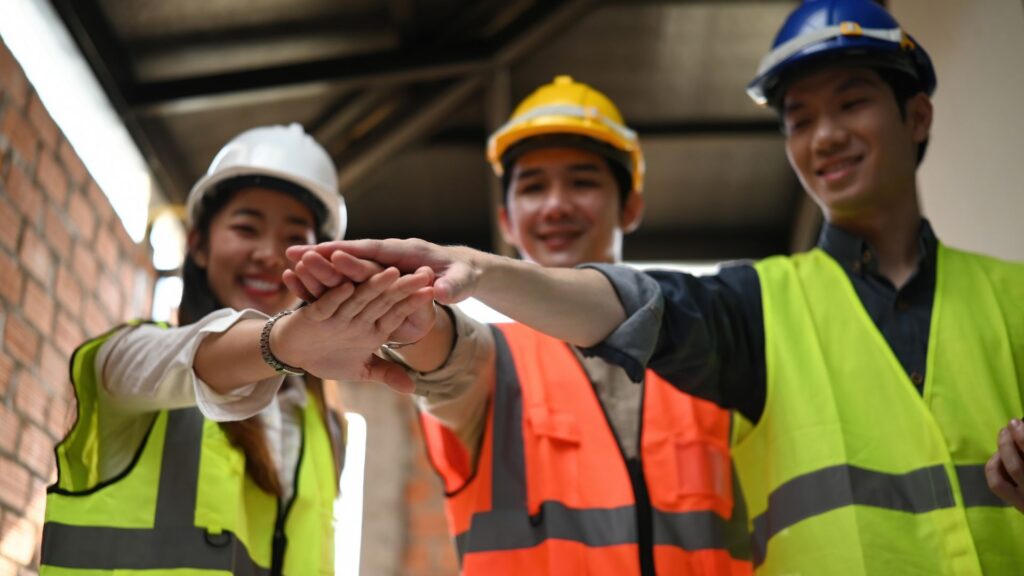
Organisations can strengthen compliance readiness by implementing structured workplace safety programmes that integrate multiple safety measures together.
These programmes typically include:
- Workplace risk assessments
- Safety training initiatives
- Ergonomic risk prevention
- Incident monitoring systems
- Workplace injury management processes
A structured approach helps organisations maintain consistent workplace safety standards across operations.
How AnjouHealth Supports Organisations With Workplace Safety Compliance
Maintaining workplace safety compliance requires a structured and ongoing approach.
AnjouHealth supports organisations through services such as:
- Workplace risk assessments
- Ergonomic risk assessments
- Workplace safety training programmes
- Corporate wellness initiatives
- Occupational health screening services
These structured programmes help organisations strengthen workplace safety systems while supporting compliance with Singapore workplace safety requirements.
Frequently Asked Questions About Workplace Safety Compliance Singapore
- What is workplace safety compliance in Singapore?
Workplace safety compliance refers to the steps organisations take to meet responsibilities under the Workplace Safety and Health (WSH) framework by identifying risks, implementing control measures, and maintaining safe work systems.
- Is workplace risk assessment required for compliance?
Yes. Risk assessments help organisations identify hazards early and implement appropriate safety control measures as part of workplace safety responsibilities.
- Do office workplaces need to meet workplace safety compliance requirements?
Yes. Workplace safety compliance applies across most workplace environments in Singapore, including office settings where ergonomic and operational risks may still be present.
- How can organisations improve workplace safety compliance readiness?
Organisations can strengthen compliance readiness by implementing structured risk assessments, safety training programmes, ergonomic assessments, and workplace safety procedures supported by ongoing monitoring and review.
Not sure if your organisation’s workplace safety practices meet WSH compliance requirements?
AnjouHealth supports organisations across Singapore with structured workplace safety programmes, risk assessments, ergonomic assessments, and training solutions that strengthen compliance readiness.
Speak with our team to strengthen your workplace safety compliance today.