


Written by
Bryan Sim, Business Development at AnjouHealth
An OHS programme developer at AnjouHealth focused on designing workplace health and safety initiatives that help organisations create safer, healthier, and more engaged environments. He works on translating ergonomic assessments and workplace risk insights into practical initiatives such as safety campaigns, wellbeing programmes, and workplace interventions that are impactful, sustainable, and aligned with operational needs.
Quick Summary
Many organisations in Singapore are aware of workplace safety obligations, but fewer clearly understand what the Workplace Safety and Health Act (WSH Act) actually requires in practice.
The WSH Act forms the foundation of Singapore’s workplace safety framework. It shifts the focus from reacting after incidents occur to identifying and managing risks before injuries happen.
For employers, understanding how the Workplace Safety and Health Act Singapore applies to daily operations is essential for protecting employees, maintaining compliance, and building a proactive workplace safety culture.
In this blog:
- What the Workplace Safety and Health Act Singapore covers
- Employer responsibilities under the WSH Act
- Employee responsibilities and shared safety duties
- How risk assessments support WSH Act compliance
- Common compliance gaps organisations overlook
- Practical steps employers can take to strengthen workplace safety systems
- Frequently Asked Questions
What Is the Workplace Safety and Health Act Singapore?
The Workplace Safety and Health Act of Singapore is the primary legislation governing workplace safety across industries. It places responsibility on employers, employees, supervisors, and stakeholders to manage risks proactively and prevent workplace injuries.
Key features:
The WSH Act has four key features:
- It places responsibilities on stakeholders who have it within their control to ensure safety at the workplace.
- It focuses on workplace safety and health systems and outcomes, rather than merely on compliance.
- It facilitates effective enforcement through the issuance of remedial orders.
- It imposes higher penalties for non-compliance and risky behaviour.
Unlike earlier regulatory approaches that focused mainly on enforcement after incidents, the WSH Act emphasises prevention through:
- Hazard identification
- Workplace risk assessments
- Safe work procedures
- Employee training
- Shared safety responsibility across organisations
Today, the Act applies broadly across workplaces, including offices, healthcare environments, logistics operations, manufacturing sites, and construction settings.
Why the Workplace Safety and Health Act Matters for Employers

The Workplace Safety and Health Act Singapore does more than define legal requirements. It provides a framework for organisations to manage workplace risks systematically.
Employers that align their safety practices with the WSH Act typically experience:
- Fewer workplace incidents
- Reduced absenteeism related to injuries
- Stronger employee confidence in workplace safety
- Improved operational reliability
- Better readiness during inspections and audits
Importantly, compliance with the WSH Act begins with recognising that workplace safety is not only a regulatory responsibility but also a leadership responsibility.
Employer Responsibilities Under the Workplace Safety and Health Act, Singapore
Under the WSH Act, employers are required to take reasonably practicable measures to ensure the safety and health of employees and others affected by workplace activities.
This includes responsibilities such as:
Providing a safe working environment
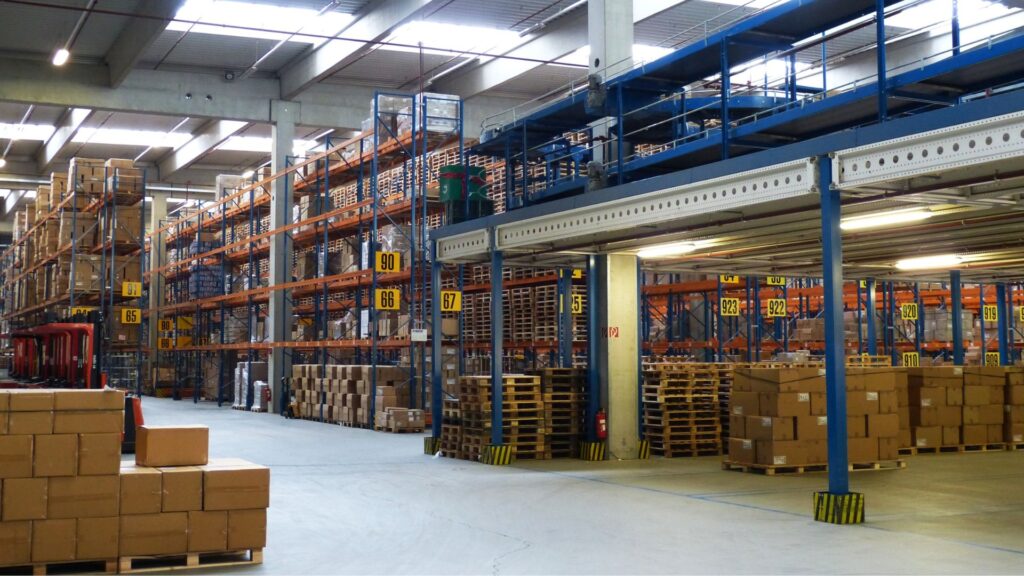
Employers must ensure workplaces are free from avoidable hazards wherever reasonably practicable.
Examples include:
- Removing slip and trip hazards
- Ensuring proper lighting and ventilation
- Maintaining safe access routes
- Organising safe workspaces
Conducting workplace risk assessments
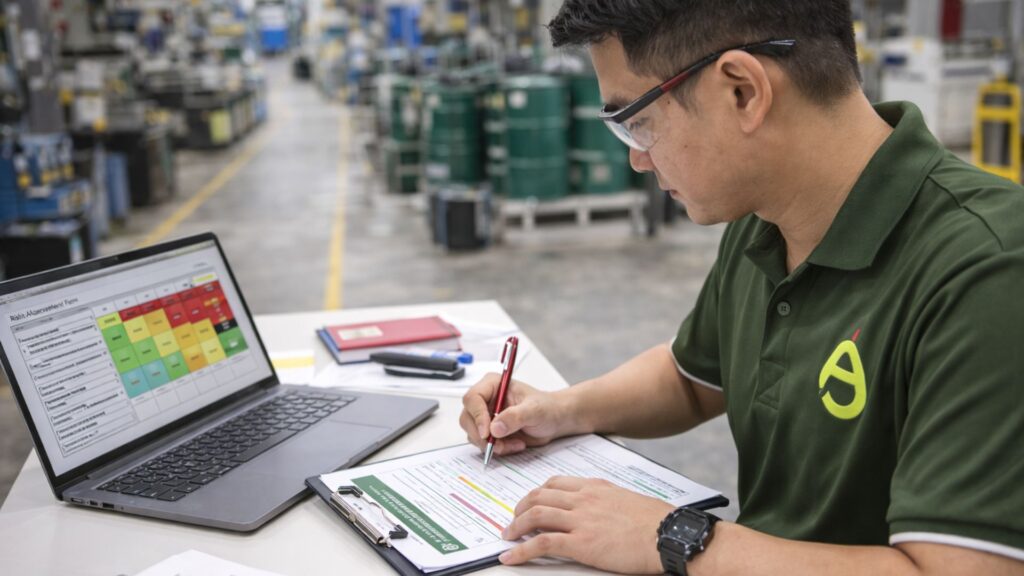
Risk assessments form one of the most important components of WSH Act compliance.
Employers are expected to:
- Identify workplace hazards
- Evaluate risks
- Implement control measures
- Review assessments regularly
Structured workplace risk assessments help organisations address risks before incidents occur.
Providing workplace safety training
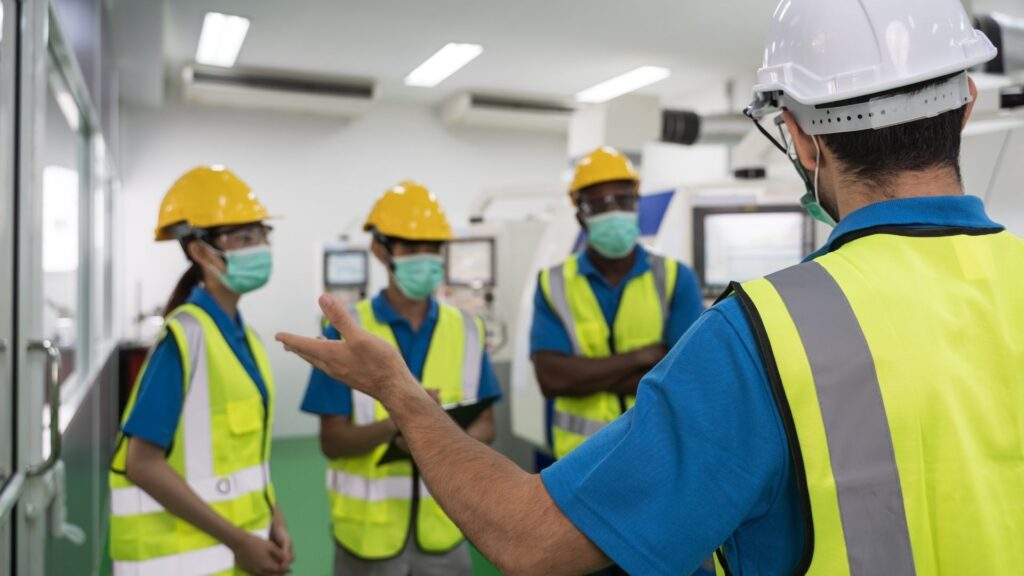
Employees must understand how to work safely within their environment.
This includes:
- Task-specific safety instructions
- Safe work procedures
- Hazard awareness training
- Emergency preparedness guidance
Training strengthens the shared responsibility model introduced under the WSH framework.
Ensuring equipment and processes are safe

Employers should ensure that:
- Machinery is properly maintained
- Equipment is suitable for the intended tasks
- Unsafe conditions are corrected promptly
- Work processes are reviewed regularly
Safe systems of work remain central to WSH Act compliance.
How Workplace Risk Assessments Support WSH Act Compliance
Risk assessment is one of the most effective tools organisations use to comply with the Workplace Safety and Health Act in Singapore.
A structured workplace risk assessment typically involves:
- Identifying hazards
- Evaluating likelihood and severity
- Implementing control measures
- Communicating risks to employees
- Reviewing changes regularly
When selecting control measures, employers are expected to prioritise solutions using the hierarchy of controls, a recognised framework within Singapore’s Workplace Safety and Health (WSH) risk management approach.
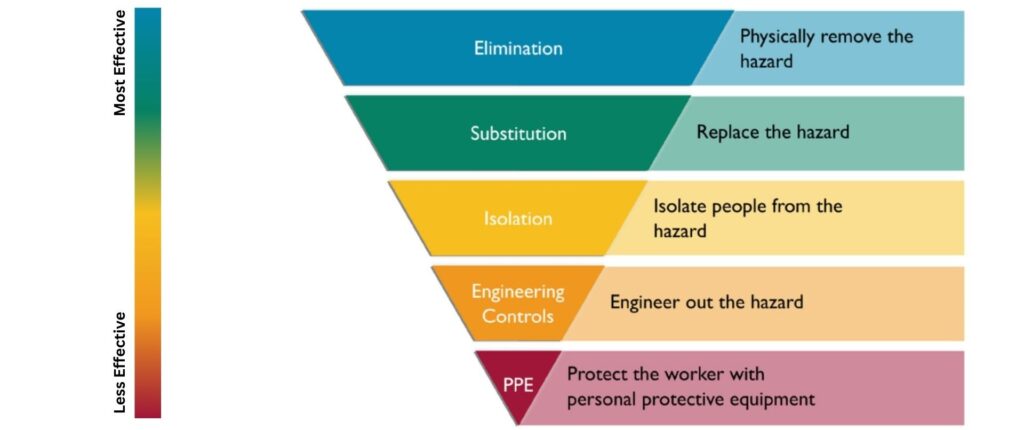
The hierarchy of controls helps organisations apply the most effective risk reduction strategies first:
- Elimination – removing the hazard entirely
- Substitution – replacing the hazard with a safer alternative
- Isolation / Engineering controls – separating people from the hazard through design changes
- Administrative controls – improving procedures, training, and supervision
- Personal protective equipment (PPE) – providing protective gear where higher-level controls are not reasonably practicable
Using this structured approach ensures workplace safety measures align with expectations under the Workplace Safety and Health Act Singapore, while strengthening long-term risk management outcomes across different workplace environments.
Common Compliance Gaps Employers Often Overlook
Many organisations believe they are already meeting the Workplace Safety and Health Act Singapore requirements. However, common gaps still appear during workplace reviews.
These include:
Treating risk assessment as a one-time exercise
Risk assessments should be reviewed regularly, especially after:
- Layout changes
- New equipment introduction
- Workflow adjustments
- Incident reports
- Employee feedback
Relying only on personal protective equipment
While PPE plays an important role, it should not be the primary risk-control strategy when stronger controls are possible.
Higher-level controls such as engineering improvements, often provide more effective long-term protection.
Missing ergonomic risks in office environments
Workplace safety risks are not limited to industrial sites.
Common office-based risks include:
- Prolonged sitting
- Poor workstation setup
- Awkward postures
- Repetitive movement
These factors contribute to work-related musculoskeletal disorders if left unmanaged.
Weak hazard reporting culture
Employees should feel comfortable reporting hazards early without hesitation.
Early reporting prevents small issues from developing into larger safety risks.
Penalties for Non-Compliance with the Workplace Safety and Health Act Singapore

Organisations that fail to comply with the Workplace Safety and Health (WSH) Act in Singapore may face significant enforcement actions, depending on the severity and nature of the offence.
Penalties can include:
- Substantial financial fines, which may reach up to $500,000 for corporate bodies and $200,000 for individuals, with higher penalties for repeat offences
- Additional daily fines for continued non-compliance, especially in cases involving Remedial Orders or Stop Work Orders
- Imprisonment of up to 12 months (or up to 2 years for certain offences) for individuals
- Stop Work Orders (SWO), which may halt operations until safety issues are resolved
- Increased penalties for repeat or severe offences, including those involving serious harm or fatalities
- Operational disruptions and regulatory investigations following workplace incidents
Maintaining structured workplace safety systems, including regular risk assessments and effective control measures, helps organisations reduce the likelihood of non-compliance and avoid these consequences.
Frequently Asked Questions (FAQs)
- What is the Workplace Safety and Health Act Singapore?
The Workplace Safety and Health Act (WSH Act) is Singapore’s primary workplace safety legislation. It requires employers, employees, and stakeholders to take reasonably practicable steps to ensure workplace safety and health by identifying hazards, managing risks, and implementing control measures.
- Who does the Workplace Safety and Health Act apply to?
The Workplace Safety and Health Act Singapore applies broadly across industries, including offices, healthcare settings, logistics operations, manufacturing environments, and construction sites. It covers employers, employees, supervisors, contractors, and occupiers of workplaces.
- What are employer responsibilities under the WSH Act?
Employers are required to:
- Provide a safe working environment
- Conduct workplace risk assessments
- Implement control measures
- Ensure safe equipment and processes
- Provide workplace safety training
- Supervise work safely
These responsibilities form the foundation of workplace safety compliance in Singapore.
- What are employee responsibilities under the WSH Act?
Employees must:
- Follow safe work procedures
- Use protective equipment properly
- Report hazards early
- Cooperate with workplace safety measures
- Avoid actions that may endanger others
Workplace safety under the WSH framework is a shared responsibility
- Is workplace risk assessment required under the WSH Act?
Yes. Workplace risk assessment is a core requirement supporting compliance with the Workplace Safety and Health Act, Singapore. Employers must identify hazards, evaluate risks, and implement control measures before work begins and whenever conditions change.
- What happens if organisations do not comply with the WSH Act?
Failure to comply with the Workplace Safety and Health Act Singapore may result in enforcement actions such as financial penalties, stop-work orders, investigations, and operational disruptions, depending on the severity of the situation.
- How can organisations strengthen compliance with the WSH Act?
Organisations can strengthen compliance by:
- conducting regular workplace hazard identification reviews
- updating workplace risk assessments
- improving workstation ergonomics
- providing safety training programmes
- encouraging early hazard reporting culture
Structured workplace safety support helps organisations align more effectively with WSH expectations.
Practical Steps Employers Can Take to Strengthen WSH Act Compliance

Employers can strengthen alignment with the Workplace Safety and Health Act Singapore by taking proactive steps such as:
- Conducting regular workplace hazard identification reviews
- Updating workplace risk assessments periodically
- Improving workstation ergonomics
- Supporting safe manual handling practices
- Strengthening safety training programmes
- Encouraging an early hazard reporting culture
These measures help organisations move beyond compliance checklists towards sustainable workplace safety practices.
Workplace Safety & Compliance Resources from AnjouHealth
This guide is part of AnjouHealth’s Workplace Safety & Compliance Resource Series, supporting employers and workplace safety teams managing responsibilities under Singapore’s WSH framework.
You may also find these related articles helpful:
- Workplace Risk Assessment Singapore
Learn how structured risk assessments help organisations identify hazards and meet WSH compliance expectations. - Common Workplace Safety Hazards in Singapore
Explore the most frequent workplace hazards observed across Singapore workplaces and how organisations can address them early.
Supporting Workplace Safety Compliance in Practice
Many organisations recognise the importance of complying with the Workplace Safety and Health Act in Singapore, but may not always have the internal resources to review workplace risks comprehensively.
Structured workplace support can help organisations:
- Identify hidden hazards
- Improve ergonomic conditions
- Strengthen safety procedures
- Align safety practices with WSH expectations
At AnjouHealth, we support organisations through workplace risk assessments, ergonomic evaluations, safety training initiatives, and occupational health programmes designed to strengthen workplace safety systems in practical ways.
If your organisation is reviewing workplace safety processes or preparing to strengthen WSH compliance, a structured workplace safety review can be a useful starting point. Connect with us today.