Written by Wesley Chee, Ergonomist at AnjouHealth and Physiotherapist at Physio & Sole Clinic
Most workplace incidents don’t happen because risks were unknown
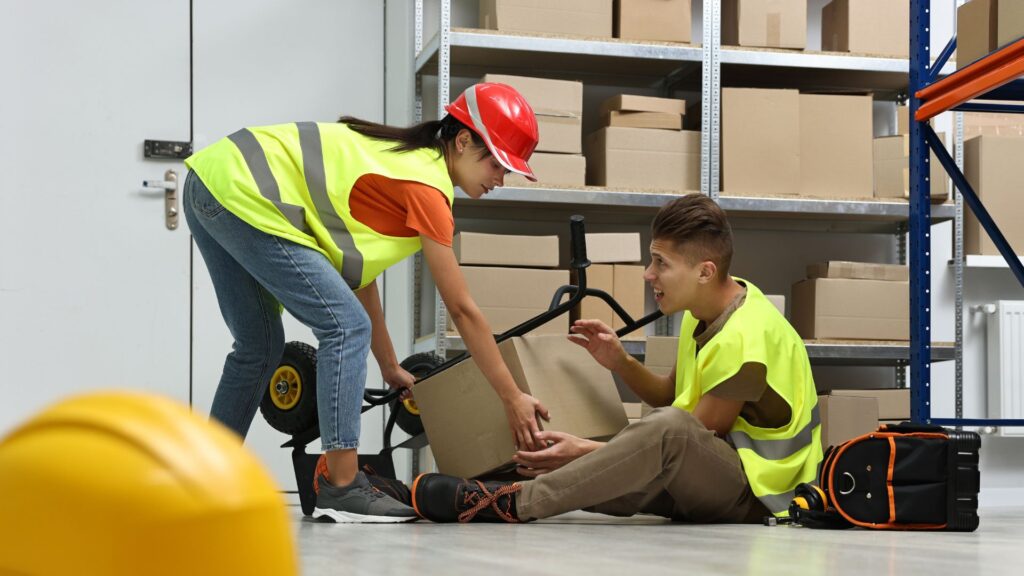
They happen because risks were assumed to be under control.
As an ergonomist working with organisations across Singapore, I often hear:
“We already did a risk assessment.”
What that usually means is:
- It was done years ago
- It hasn’t been reviewed since work changed
- It exists on paper, but not in day-to-day practice
That gap, between documented risk and real-world work, is where incidents, injuries, and near misses occur.
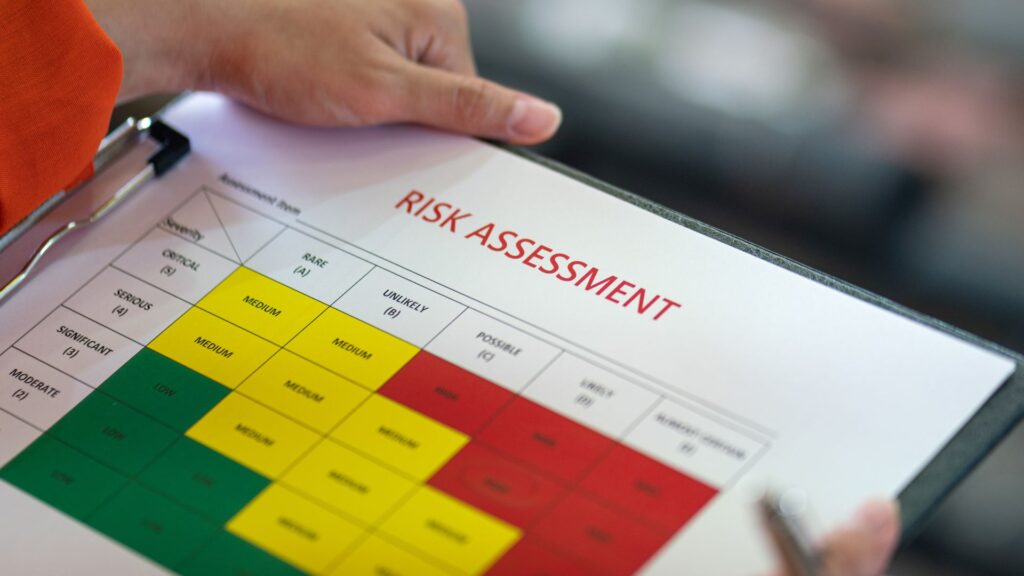
A WHS risk assessment in Singapore isn’t meant to be a one-time formality. It’s an ongoing process that should be reviewed and updated regularly. When done properly, it helps organisations continuously identify workplace hazards, assess their impact, and reduce risk before injuries or near misses occur.

What is a WHS risk assessment?
A WHS (Workplace Health and Safety) risk assessment is a structured workplace risk assessment process used to:
- Identify workplace hazards
- Assess the level of health and safety risk
- Implement control measures to reduce or eliminate risk
- Monitor and review risks over time
- Communicate risks and controls to relevant stakeholders
In simple terms, a WHS risk assessment Singapore helps employers understand:
- What could cause harm
- Who may be affected
- How likely and severe the harm could be
- What practical steps can reduce that risk
It’s not about predicting every possible incident; it’s about making risks visible, understood, and manageable.
Why WHS risk assessment is important (and often underestimated)
One of the biggest mistakes I see is treating risk assessment as a compliance exercise rather than a living process.
Workplaces change constantly:
- Teams expand or shrink
- Layouts are redesigned
- Equipment is introduced
- Job roles evolve
- Hybrid or remote work becomes the norm
When WHS risk assessments aren’t reviewed alongside these changes:
- Hazards remain unaddressed
- Control measures become outdated
- Employees work around risks instead of reporting them
- Near misses go unnoticed until an injury occurs
In Singapore’s workplace safety culture, prevention is far more effective than reaction, both in human and operational terms.
What risks are covered under a WHS risk assessment?
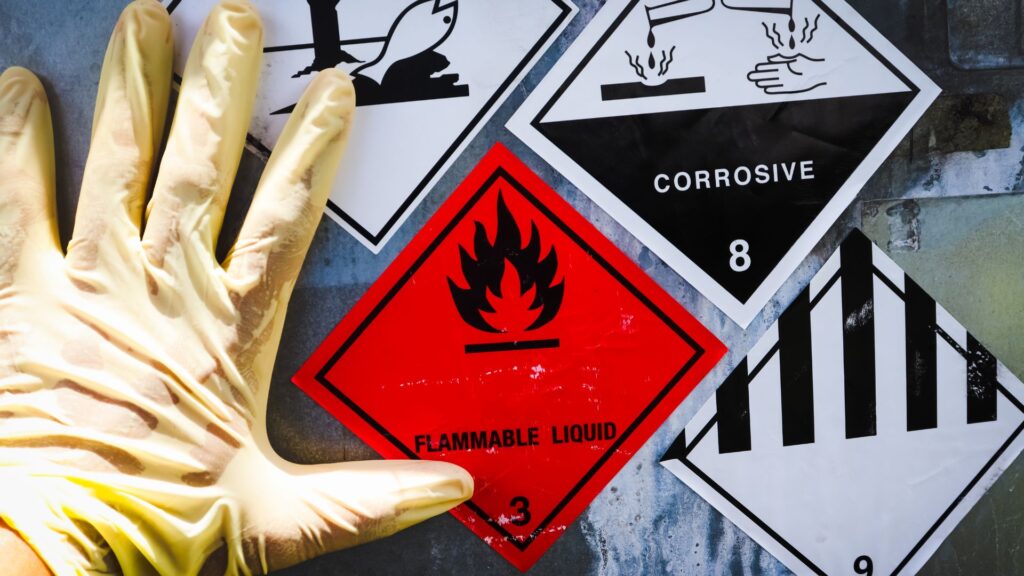
A workplace safety risk assessment in Singapore typically covers a wide range of hazards, including:
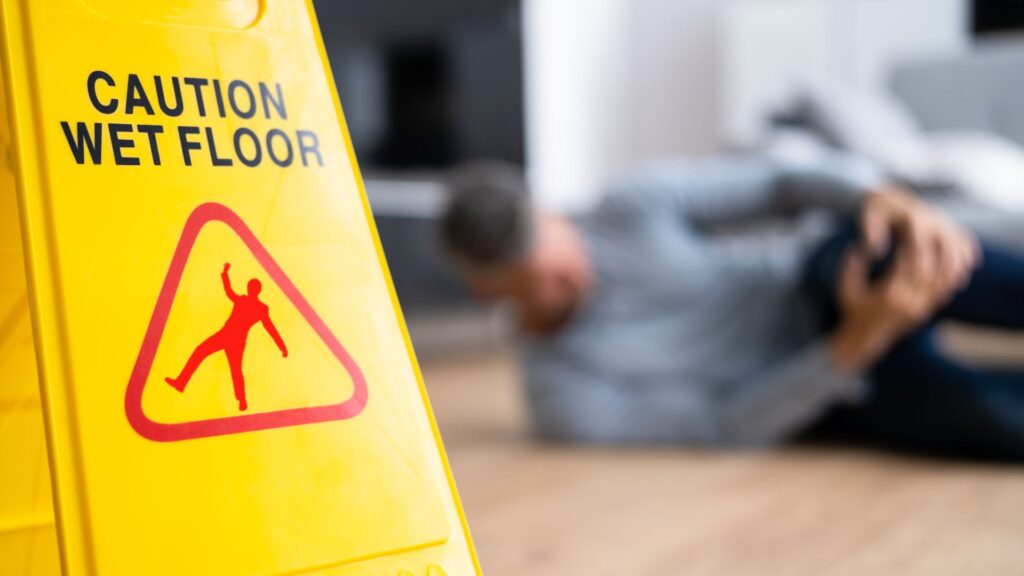
- Physical hazards (slips, trips, falls)
- Manual handling risks
- Equipment and machinery hazards
- Environmental risks (lighting, noise, temperature)
- Ergonomic risks (poor posture, repetitive tasks, prolonged sitting)
- Psychosocial risks (workload, fatigue, stress)
In office and desk-based environments, ergonomic risks are among the most common and most overlooked contributors to injury.
Are ergonomic risks included in WHS risk assessments?
Yes, and they should be.
Ergonomic risks are legitimate workplace hazards. Poor workstation setup, sustained static postures, and repetitive tasks significantly increase the risk of work-related musculoskeletal disorders (WMSDs).
From my experience, many organisations focus heavily on visible physical hazards but underestimate how everyday office work can strain the body over time.
A robust WHS risk assessment in Singapore should always consider ergonomic risks, especially in modern office and hybrid workplaces.

Is WHS risk assessment mandatory in Singapore?
In Singapore, employers are required under the Workplace Safety and Health framework to identify, assess, and control workplace risks.
Rather than being a one-off requirement, WHS risk assessment is expected to be:
- Conducted before new work activities begin
- Reviewed when work processes or environments change
- Updated after incidents or near misses
- Revisited when new information about risks becomes available
The emphasis is not on paperwork, but on effective risk management.
Who should conduct WHS risk assessments?
WHS risk assessments are typically conducted by:
- Employers or management representatives
- Workplace safety officers or coordinators
- Supervisors familiar with work processes
- Trained professionals with WHS expertise
In practice, the most effective assessments involve input from employees, because they understand how work is actually performed, not just how it’s written in procedures.
External consultants are often engaged when:
- Risks are complex or specialised
- An independent review is needed
- Internal expertise is limited
What happens during a WHS risk assessment?
A WHS risk assessment generally follows these steps:
- Hazard identification
Observing tasks and environments to identify potential sources of harm.
- Risk evaluation
Assessing the likelihood and severity of harm if the hazard is not controlled.
- Risk control
Determining appropriate measures to eliminate or reduce risk.
- Documentation
Recording hazards, risk ratings, and control measures.
- Communication
Ensuring stakeholders understand identified risks and controls.
- Review and monitoring
Checking whether controls remain effective over time.
From my experience, the real value lies in the discussion, understanding how work is actually done day to day.
Are there different types of WHS risk assessments?
Yes. Depending on the workplace and activity, organisations may use:
- General workplace risk assessments
- Task-specific risk assessments
- Manual handling risk assessments
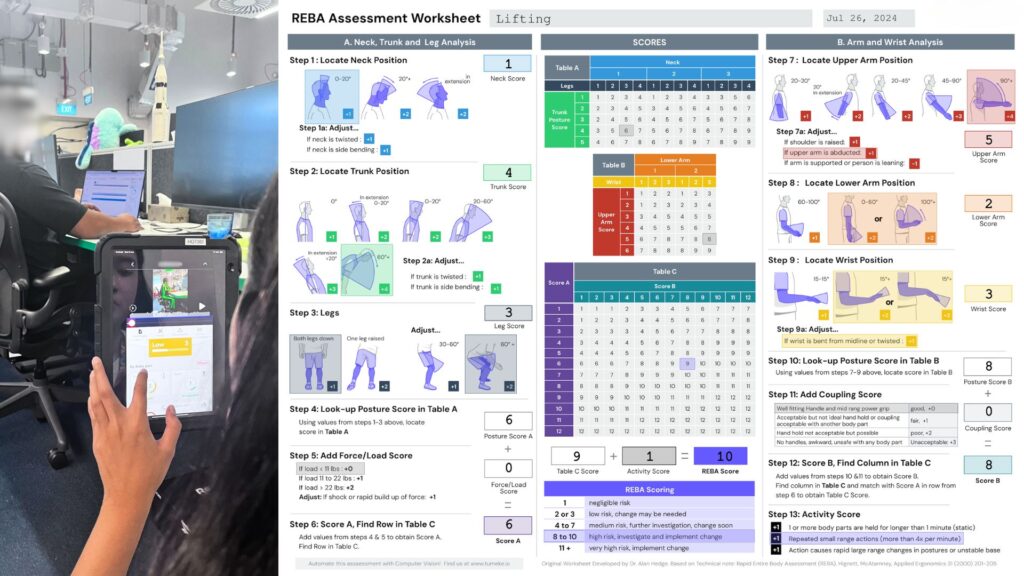
- Ergonomic risk assessments
- Job Safety Analysis (JSA)
Each serves a different purpose, but all support effective WHS risk management in Singapore.
When should a WHS risk assessment be conducted or reviewed?
A WHS risk assessment should be conducted or reviewed when:
- New activities or processes are introduced
- Work environments or layouts change
- Equipment or tools are modified
- Incidents or near misses occur
- Employees report hazards or discomfort
- As part of routine workplace safety reviews
Waiting until an incident happens defeats the purpose of risk assessment.
How is WHS risk assessment documented?
Risk assessments are typically documented in:
- Risk registers
- Risk assessment forms
- Safety management system records
Documentation should clearly state:
- Identified hazards
- Who may be affected
- Risk levels
- Control measures
- Review dates
Good documentation supports accountability and continuity, especially in larger organisations.
Where can organisations find guidance on WHS risk assessment?
In Singapore, guidance on WHS risk assessment is available from:
- The Ministry of Manpower (MOM)
- The Workplace Safety and Health Council (WSHC)
- Industry-specific safety and health resources
These sources consistently emphasise that risk assessment is an ongoing process, not a one-time task.
The solution: treating WHS risk assessment as a living process
From my experience, organisations that manage risk well don’t ask:
“Have we done a risk assessment?”
They ask:
“Does our risk assessment still reflect how work is done today?”
When WHS risk assessment is treated as a living process:
- Risks are identified earlier
- Employees are more engaged in safety
- Ergonomic and health risks are addressed proactively
- Incidents and injuries are far less likely
A personal perspective from the field
One thing I’ve learned is that risk assessment isn’t about eliminating all risk; that’s unrealistic.
It’s about making informed, practical decisions so people can work safely and sustainably.
When employees feel that risks are taken seriously, safety becomes part of the culture, not just a checklist.
Final thoughts
A WHS risk assessment in Singapore is more than a regulatory requirement. It’s a practical tool that helps organisations adapt to change, protect their people, and reduce preventable harm.
When done well, it supports both safety and operational resilience.
Ready to take the next step?
If your workplace has changed, risk assessments haven’t been reviewed recently, or employees are raising concerns, it may be time to revisit your approach to risk management.
Book a call with us to explore whether a WHS risk assessment is right for your workplace and how it can support safer, healthier operations.