

Written by
Bryan Sim, Business Development at AnjouHealth
An OHS programme developer at AnjouHealth focused on designing workplace health and safety initiatives that help organisations create safer, healthier, and more engaged environments. He works on translating ergonomic assessments and workplace risk insights into practical initiatives such as safety campaigns, wellbeing programmes, and workplace interventions that are impactful, sustainable, and aligned with operational needs.
In This Blog
- Quick Summary of On-site Health Screening in Singapore
- What On-site Health Screening Means for Employers
- When Health Surveillance Is Mandatory in Singapore
- Types of Workplace Health Screening Tests
- On-site vs Off-site Screening: Operational Impact
- How Screening Supports WSH Compliance, Risk & ESG
- How Employers Can Prepare for Screening Day
- FAQs About On-site Health Screening in Singapore
- Planning Your Next Workplace Health Screening Programme
Quick Summary: On-site Health Screening Singapore
On-site health screening in Singapore allows industrial employers to meet mandatory health surveillance requirements without sending workers off-site or disrupting shift operations. It is particularly relevant for logistics, manufacturing, construction, marine, and warehouse environments, where workers are exposed to occupational noise, dust, fumes, or hazardous substances, as outlined in the Workplace Safety and Health (WSH) framework established by the Ministry of Manpower (MOM).
With onsite screening, HR, WSH, and Operations teams can complete baseline and periodic tests (such as audiometry, spirometry, and vision screening) in structured batches at the worksite, typically within 20–40 minutes per employee, while maintaining audit-ready records for MOM inspections and internal governance reporting.
What Is On-site Health Screening?
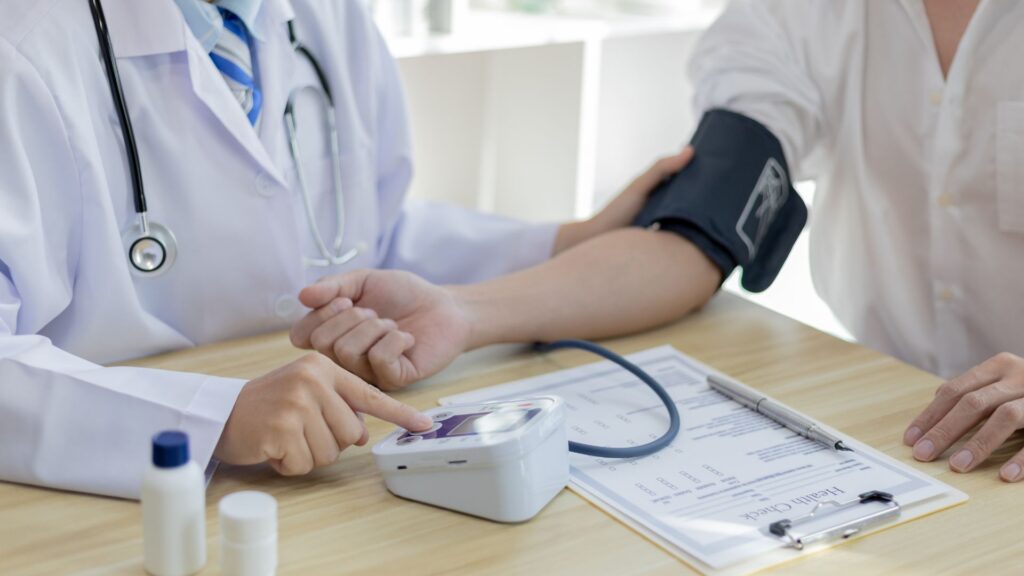
On-site health screening refers to occupational medical assessments conducted directly at the workplace instead of external clinics.
For Singapore employers, onsite health screening helps to:
- Meet WSH regulatory health surveillance requirements for high‑risk exposure groups.
- Minimise employee downtime by reducing travel and waiting time at external clinics.
- Improve participation and completion rates through batch-based scheduling.
- Maintain centralised, audit-ready documentation for MOM inspections and internal audits.
In regulated industries, this model reduces both compliance risk and productivity loss compared to traditional off-site clinic visits.
Is Health Surveillance Mandatory in Singapore?
In many high‑risk environments, health surveillance is not optional; it is a legal obligation.
Under Singapore’s Workplace Safety and Health Regulations, employers must implement baseline and periodic health surveillance when workers are exposed to specific occupational hazards, including:
- Excessive noise (e.g. ≥ 85 dBA over an 8‑hour workday).
- Airborne contaminants such as dust, fumes, and certain hazardous chemicals.
- Other regulated exposures as defined in sector‑specific WSH guidelines.
Failure to comply can lead to:
- Regulatory penalties and enforcement actions.
- Increased work injury compensation and insurance exposure.
- Adverse WSH audit findings and reputational risk.
Health surveillance is therefore both a compliance requirement and an employer’s duty of care.
Types of On-site Health Screening (Common Components)
A risk‑based onsite health screening programme in Singapore typically bundles several assessments, aligned with the company’s hazard exposure profile.
1. Audiometric Testing (Hearing Test)

Audiometry is required for employees exposed to prolonged occupational noise at or above 85 dBA.
It helps to:
- Detect early Noise‑Induced Hearing Loss (NIHL) and progressive auditory damage.
- Monitor the effectiveness of hearing protection programmes.
Commonly conducted in:
- Warehouses and logistics hubs.
- Manufacturing plants and production facilities.
- Construction, shipyard, marine, and offshore environments.
2. Spirometry (Lung Function Test)

Spirometry assesses lung function in environments with:
- Dust exposure (e.g. cement, silica, grain).
- Chemical fumes or vapours.
- Industrial airborne particles and smoke.
It supports early detection of occupational respiratory impairment and helps track changes over time.
3. Vision Screening
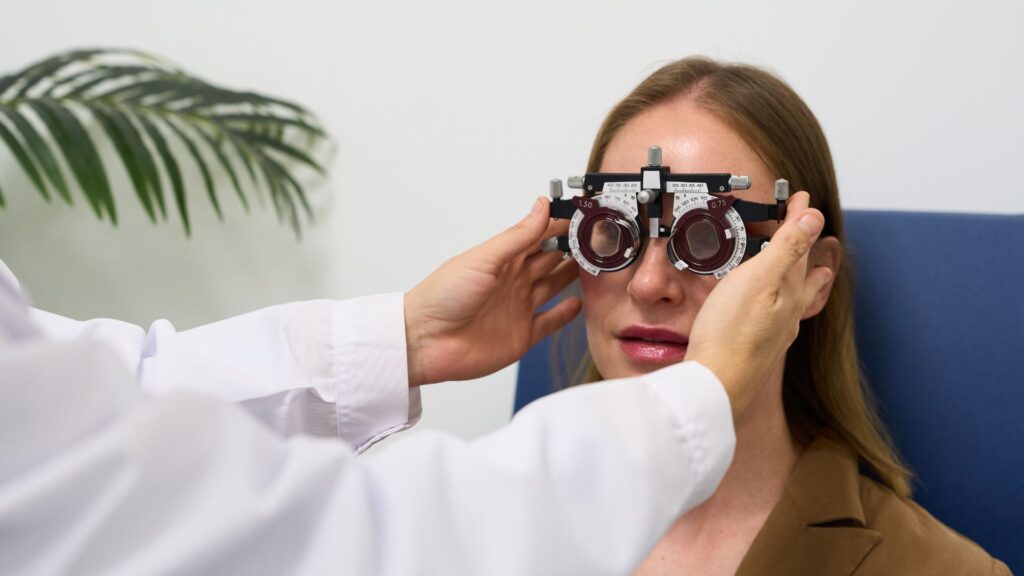
Vision screening is important for roles that involve:
- Forklift operation and material handling.
- Heavy machinery and crane operations.
- Precision tasks in manufacturing and quality control.
Good visual acuity reduces accident risk and supports safer operations in high‑traffic, equipment‑dense worksites.
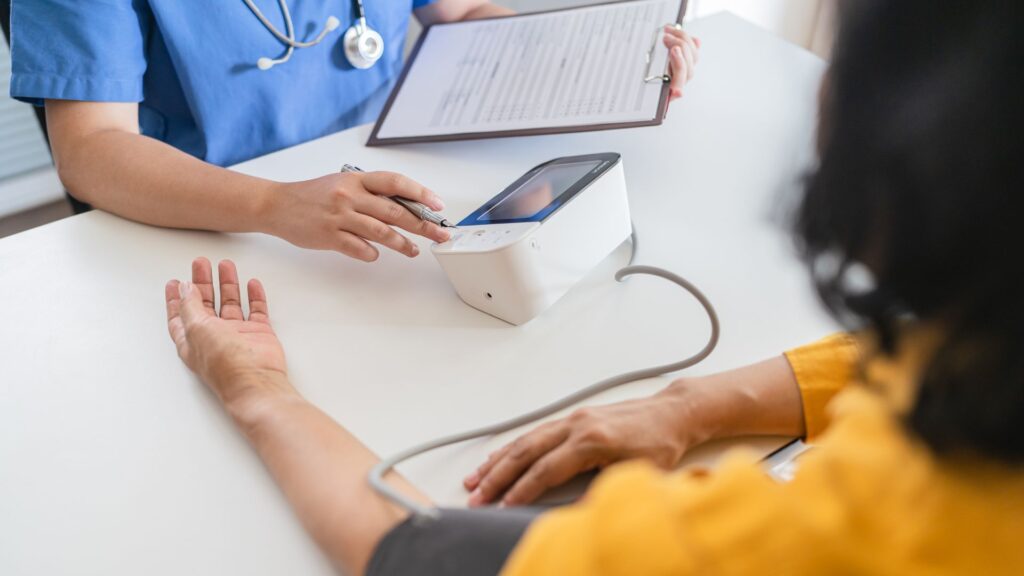
4. Blood Pressure & Basic Cardiovascular Screening
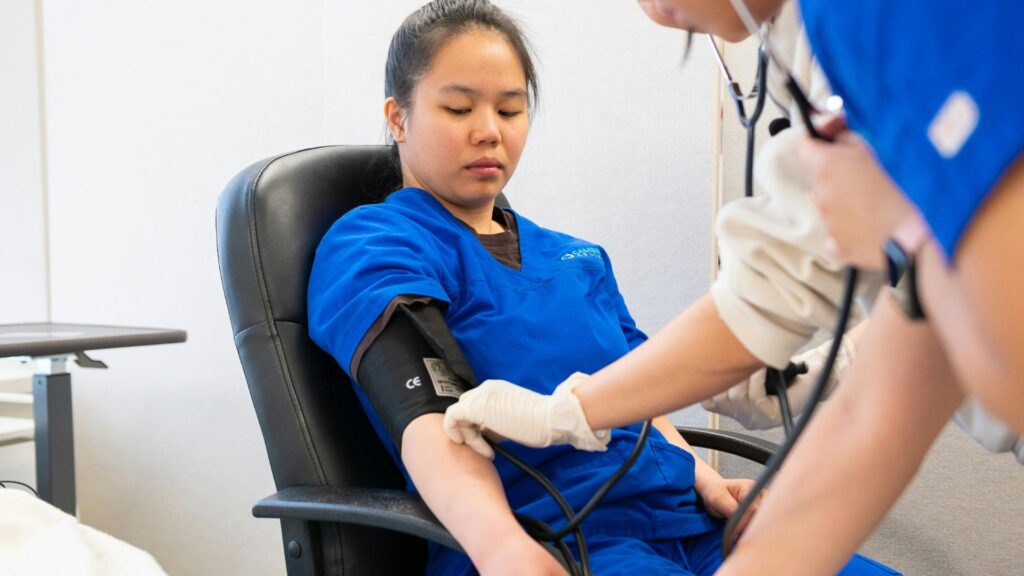
Cardiovascular checks often include:
- Blood pressure measurement.
- Basic metabolic indicators (e.g. glucose, lipids) as per package design.
These tests support early identification of hypertension and other cardiovascular risk factors as part of wider workforce health programmes.
5. General Occupational Medical Assessments
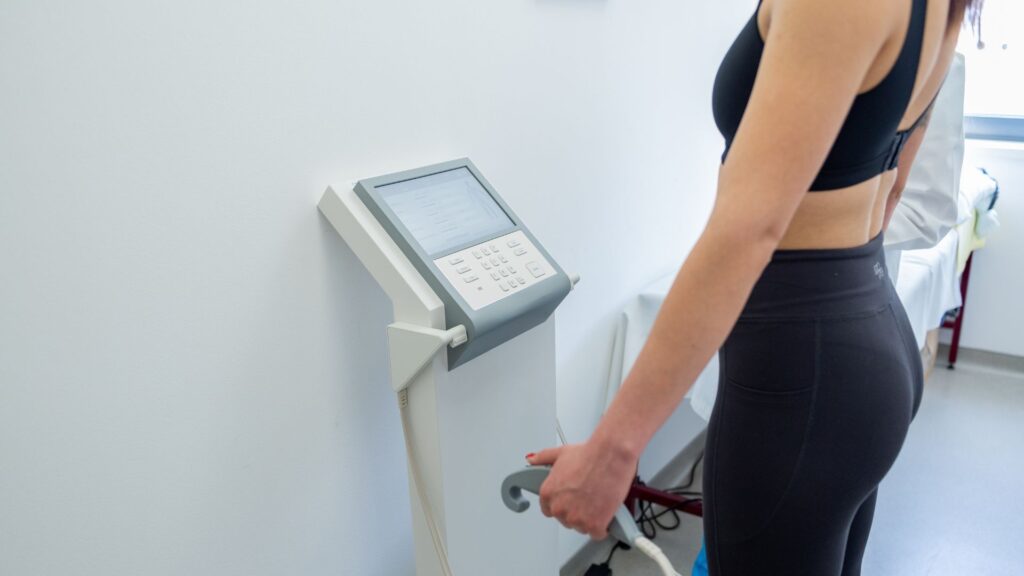
Depending on the risk profile, onsite health screening may also include:
- BMI and anthropometric measurements.
- General physical examination and clinical review.
- Risk‑based medical evaluations aligned with job demands and exposure history.
The screening scope should always be anchored to a formal workplace risk assessment and WSH risk register.
On-site vs Off-site: Operational Impact
For industrial teams managing 50–200+ employees per site, operational continuity is critical.
Key Operational Challenges with Off-site Clinics
- 2–4 hours lost per employee per visit (travel, waiting, examination).
- Transport coordination for large groups or remote sites.
- Misalignment with rotating or night shifts.
- Lower completion rates due to missed or rescheduled appointments.
- Additional administrative work to consolidate reports and track defaulters.
Operational Comparison
| Factor | Offsite Clinic (Typical) | Onsite Health Screening Singapore (Typical) |
| Downtime per employee | 2–4 hours, including travel and waiting | ~20–40 minutes at the workplace |
| Scheduling complexity | High; individual appointments | Batch scheduling by shift or department |
| Participation rate | Variable: higher no‑show risk | Higher completion in structured onsite runs |
| Audit documentation | Reports from multiple clinics to collate | Centralised reporting and dashboards |
| Productivity impact | Moderate to high for operations | Minimal disruption to workflow |
For large logistics hubs, warehouses, and manufacturing plants, these efficiency gains are both measurable and significant at an annual level.
How Onsite Health Screening Supports WSH, Risk & ESG
A structured onsite health screening programme directly supports:
- WSH compliance and MOM audit readiness through proper baseline and periodic surveillance.
- Risk management documentation for internal risk committees and Board reporting.
- Insurance and compensation risk mitigation via early detection and intervention.
- ESG and workforce well‑being reporting, especially under “S” (Social) indicators.
Over time, proactive health surveillance reduces long‑term occupational disease claims and strengthens the employer’s defensibility in incident investigations.
How to Prepare for On-site Screening (Step‑by‑Step)
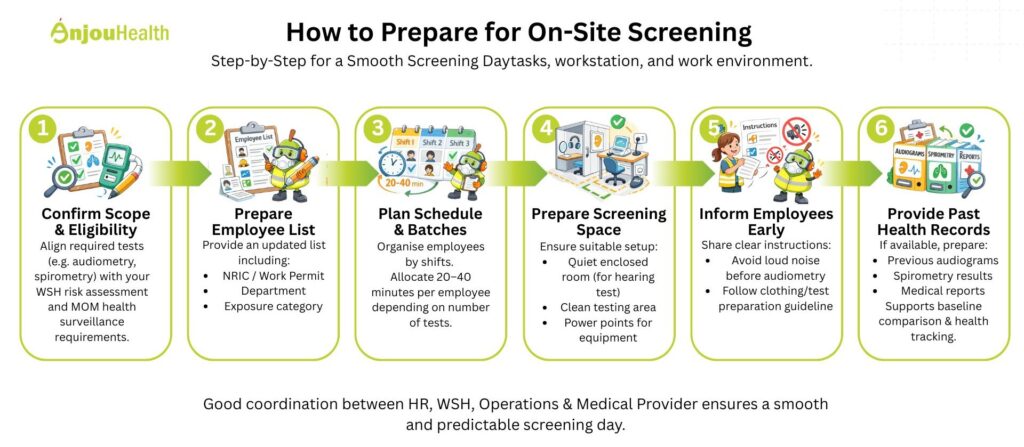
To minimise disruption on screening day, employers in Singapore can take these practical steps:
- Confirm scope and eligibility
- Align tests (e.g. audiometry, spirometry) with your WSH risk assessment and MOM requirements.
- Provide an updated employee list
- Include NRIC/Work Permit numbers, departments, and exposure categories.
- Map out shifts and schedule batches
- Allocate 20–40 minutes per employee, depending on the number of tests.
- Prepare a suitable space
- Quiet, enclosed room for hearing tests, plus clean areas with power points for equipment setup.
- Inform employees in advance
- Share instructions (e.g. avoid loud noise exposure before audiometry, clothing guidelines for tests).
- Provide previous health surveillance records, if any
- Baseline audiograms, prior spirometry, and medical reports to support longitudinal comparison.
Good coordination between HR, WSH, operations, and the on-site medical provider keeps screening days smooth and predictable.
Frequently Asked Questions (Onsite Health Screening Singapore)
1. How often should onsite health screening be conducted?
Frequency depends on exposure risk and regulatory requirements.
For high‑noise environments (≥ 85 dBA over 8 hours), MOM guidelines require a baseline audiometric test within 3 months of starting work in a noisy area, followed by annual audiometry for exposed workers.
Other tests (e.g. spirometry, vision, cardiovascular screening) are usually scheduled annually or as recommended in the company’s WSH risk management plan.
2. Can multiple tests be conducted on the same day?
Yes. Hearing, spirometry, vision, and basic health screening are commonly conducted in a single on-site session, with employees moving through a structured station‑based flow.
This station model shortens total time per employee and simplifies logistics for shift‑based operations.
3. How long does onsite health screening take per employee?
Most onsite occupational health screening sessions take approximately 20–40 minutes per employee, depending on the number of assessments included (e.g. hearing, lung function, vision, vitals, and doctor review).
Larger teams are usually scheduled in blocks to complete all staff within one or several days.
4. Is on-site screening suitable for shift‑based or 24/7 operations?
Yes. On-site health screening in Singapore can be planned across day, evening, and night shifts, or during low‑activity windows, so operations remain covered.
Mobile teams can also be deployed to satellite locations or separate buildings within the same organisation.
5. Is on-site health screening only for industrial companies?
No. While it is common in logistics, manufacturing, marine, and construction sectors, corporate offices and service organisations also use onsite screening for workforce health programmes, annual health checks, and wellness initiatives.
The onsite model is especially helpful for large multi‑site employers who want consistent participation without employees travelling to multiple clinics.
6. What information will employers receive after on-site screening?
Typically, employers receive de‑identified or aggregate reports for compliance and risk management, while individual employees receive their personal results confidentially.
This approach balances regulatory documentation with medical confidentiality requirements.
A Proactive Approach to Workplace Health

On-site health screening in Singapore should be viewed as a long‑term risk management strategy, not just a tick‑box requirement.
Done well, it helps organisations to:
- Detect health risks early and intervene before irreversible occupational conditions develop.
- Reduce work injury compensation exposure and claims severity.
- Demonstrate visible commitment to worker safety and corporate responsibility.
For companies operating in regulated, high‑risk environments, health surveillance is best integrated into annual WSH planning, internal audit cycles, and ESG reporting.
Planning an On-Site Health Screening in Singapore?
If your organisation is preparing for compliance reviews, updating WSH processes, or planning the next cycle of health surveillance, AnjouHealth delivers structured on-site health screening programmes tailored to your workforce size, exposure profile, and operational schedule.
Programmes can be designed around:
- MOM‑aligned audiometry and other mandatory surveillance tests.
- Worker shifts to minimise downtime
- Consolidated reporting to support audits, insurance, and Board‑level risk reporting.
Speak with our team to plan your screening programme.
We’ll help you determine the right tests, schedule batches efficiently, and ensure the process aligns with your workplace risk profile. Book a Call with Our Team!