

Written by
Bryan Sim, Business Development at AnjouHealth
An OHS programme developer at AnjouHealth focused on designing workplace health and safety initiatives that help organisations create safer, healthier, and more engaged environments. He works on translating ergonomic assessments and workplace risk insights into practical initiatives such as safety campaigns, wellbeing programmes, and workplace interventions that are impactful, sustainable, and aligned with operational needs.
Overview:
Corporate wellness programmes are no longer a nice-to-have for Singapore employers. With rising rates of work-related musculoskeletal disorders (WMSDs), mental health concerns, and chronic disease among the working population, the Workplace Safety and Health (WSH) framework increasingly expects employers to take a proactive approach to employee health, not just react when injuries or illnesses occur.
This guide is written for WSH officers, HR managers, and business owners in Singapore who want to understand what corporate wellness programmes involve, what MOM and HPB expect, and how to implement one effectively for their organisation.
This guide covers:
- What corporate wellness programmes are and what they include
- Whether they are mandatory under Singapore’s WSH framework
- The key benefits for Singapore employers (compliance, productivity, and retention)
- What a complete programme looks like: ergonomics, health screening, mental wellness, safety training, and more
- Singapore government support through HPB’s Workplace Health Promotion programme
- How to choose the right provider and get started
What Is a Corporate Wellness Programme?
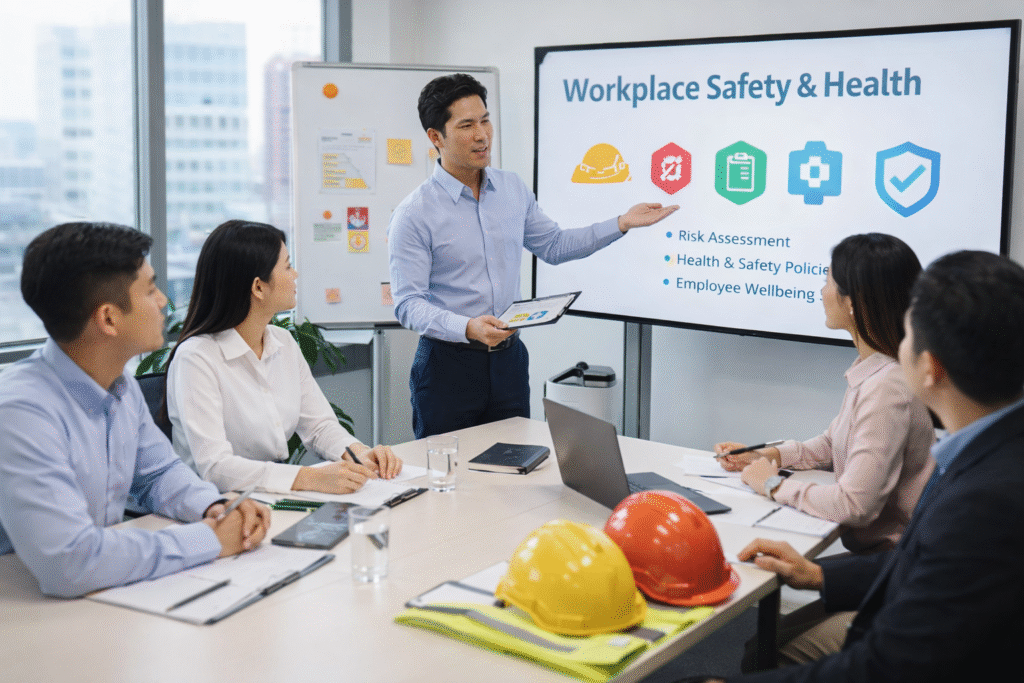
A corporate wellness programme is a structured, employer-led initiative designed to protect and improve the physical, mental, and occupational health of employees. In Singapore, well-designed programmes align with the Ministry of Manpower (MOM) WSH framework and the Health Promotion Board (HPB) Workplace Health Promotion (WHP) guidelines.
Effective corporate wellness programmes go beyond annual health screenings. real risks and aligned with national guidance on mental health at work, they support employee health and business performance sustainably, reducing burnout, improving productivity, and helping employers meet their duty of care, including addressing workplace mental health as part of a holistic approach.
Are Corporate Wellness Programmes Mandatory in Singapore?
Strictly speaking, no single piece of legislation mandates a “corporate wellness programme” by name. However, several WSH obligations effectively require employers to address workforce health proactively:
- WSH Act
Employers must ensure the safety, health, and welfare of all employees at work. This includes identifying and mitigating health risks, not just physical safety hazards. - WSH (Risk Management) Regulations
Employers must conduct risk assessments that include health risks such as ergonomic hazards, noise exposure, and chemical exposure. - MOM’s WSH 2028 framework
Sets industry targets for reducing workplace injuries and ill health, with a focus on prevention through proactive health management. - HPB Workplace Health Promotion programme
While voluntary, HPB actively encourages employers to adopt structured wellness programmes and offers grants to support implementation.
For WSH officers, this means corporate wellness is not separate from your compliance responsibilities, it is part of them.
Why Corporate Wellness Programmes Matter for Singapore Employers
Reducing Absenteeism and Presenteeism

Workplace health issues cost Singapore employers significantly in lost productivity. Employees suffering from musculoskeletal pain, chronic fatigue, or unmanaged stress are often present at work but operating well below capacity, a phenomenon known as presenteeism, which research consistently shows is more costly than absenteeism.
Structured wellness programmes that address ergonomics, physical health, and mental wellbeing reduce both absenteeism rates and the hidden productivity drain of presenteeism.
Managing WSH Compliance Risk
Work-related musculoskeletal disorders (WMSDs) remain one of the most common categories of workplace ill health in Singapore. Ergonomics-related claims, hearing loss from occupational noise exposure, and stress-related conditions all carry compliance and compensation implications for employers.
A proactive wellness programme, particularly one that includes ergonomics risk assessments and health screenings, creates a documented record of due diligence that protects employers in the event of a compensation claim or MOM inspection.
Improving Retention and Employer Branding

In a competitive talent market, Singapore employees increasingly evaluate employers on well-being support. Organisations with structured wellness programmes report stronger employee engagement scores and lower voluntary turnover, particularly among PMET-level staff.
Accessing Government Support
HPB’s Workplace Health Promotion grants provide funding support for eligible Singapore employers implementing structured wellness programmes. Engaging a qualified provider ensures your programme meets the criteria for grant eligibility.
What Does a Corporate Wellness Programme Include?
A comprehensive corporate wellness programme for Singapore employers should cover five areas:
1. Health Screening and Early Detection
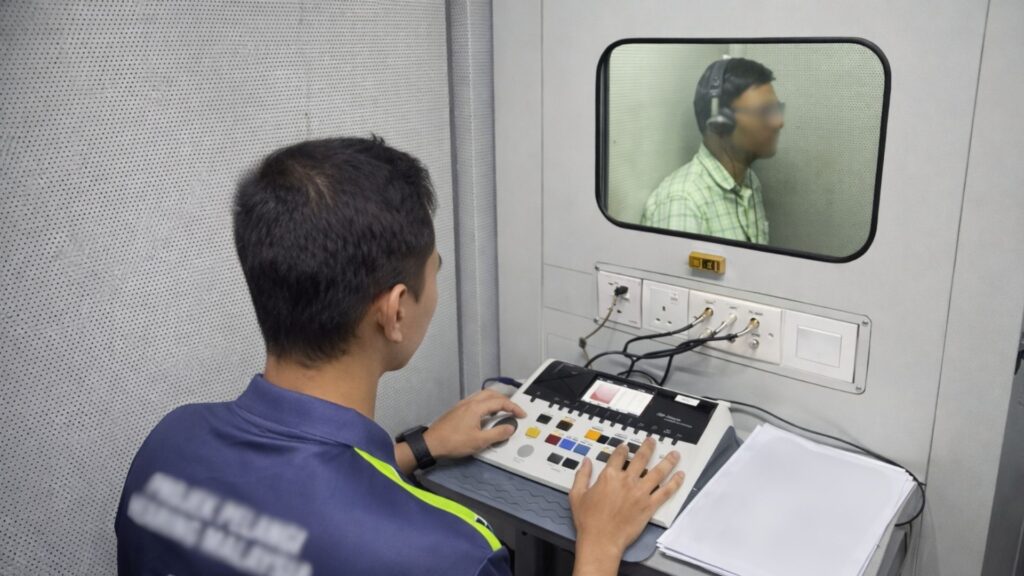
On-site health screening is typically the entry point for a corporate wellness programme. This includes:
- General health screening (blood pressure, cholesterol, BMI, glucose)
- Hearing screening, particularly important for employees in noisy work environments with WSH noise exposure obligations
- Disease prevention checks aligned with MOH screening recommendations
Early detection allows employers to identify at-risk employees and intervene before conditions become serious, reducing both human cost and compensation liability.
2. Ergonomics Assessment and Workstation Health
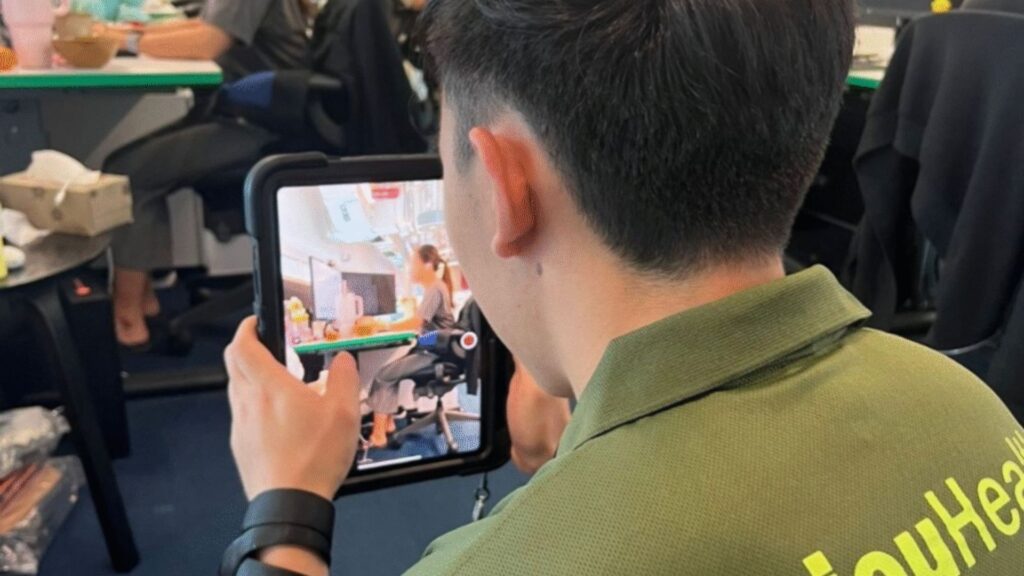
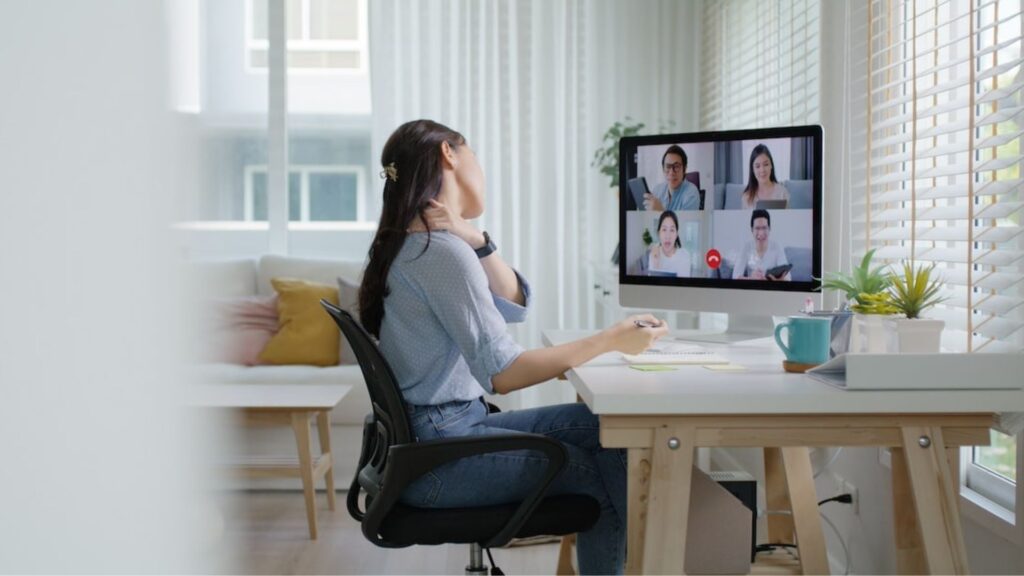
Ergonomics is where workplace safety and employee wellness converge. Poor workstation setup is a leading cause of WMSDs in Singapore’s office and industrial environments.
A proper ergonomics component includes:
- Workplace Ergonomics Risk Assessment (WERA)
A structured MOM-aligned assessment tool that identifies ergonomic risk factors across work tasks and environments - Workstation ergonomics assessment
Individual-level evaluation of desk setup, monitor height, seating posture, and equipment placement - Individual ergonomics consultation
Targeted recommendations for employees already experiencing discomfort or early WMSD symptoms - Ergonomics training and talks
Building employee awareness of correct posture, workstation setup, and early warning signs
For WSH officers, WERA documentation also contributes to your risk assessment records under the WSH (Risk Management) Regulations.
3. Mental Wellness and Stress Management

Mental health at work is a growing area of focus for MOM and HPB. Singapore’s working population reports high rates of work-related stress, and employers are increasingly expected to address psychological safety as part of their duty of care.
Effective mental wellness components include:
- Mental wellness talks and workshops
Building awareness and reducing stigma around mental health - Stress management programmes
Practical tools for employees and managers - Resilience training
Equipping employees to manage workplace pressure sustainably
4. Physical Wellness and Injury Prevention
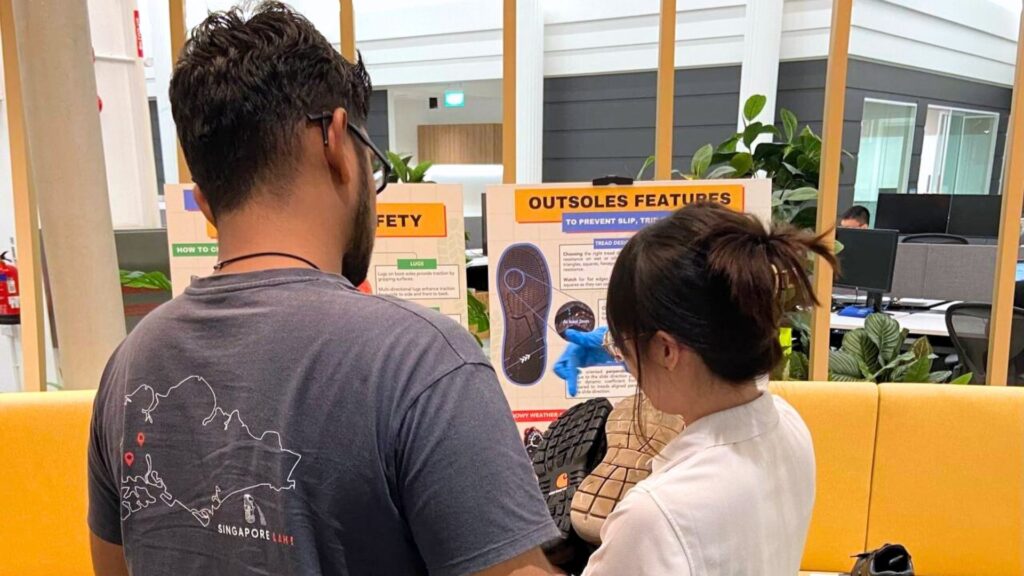
Physical wellness programmes address the lifestyle risk factors that drive chronic disease and musculoskeletal injury:
- Fitness and exercise programmes tailored to the workplace setting
- Physiotherapy and injury prevention are particularly valuable for physically demanding roles
- Nutrition talks and weight management programmes, addressing metabolic health risks
5. Safety Education and Awareness
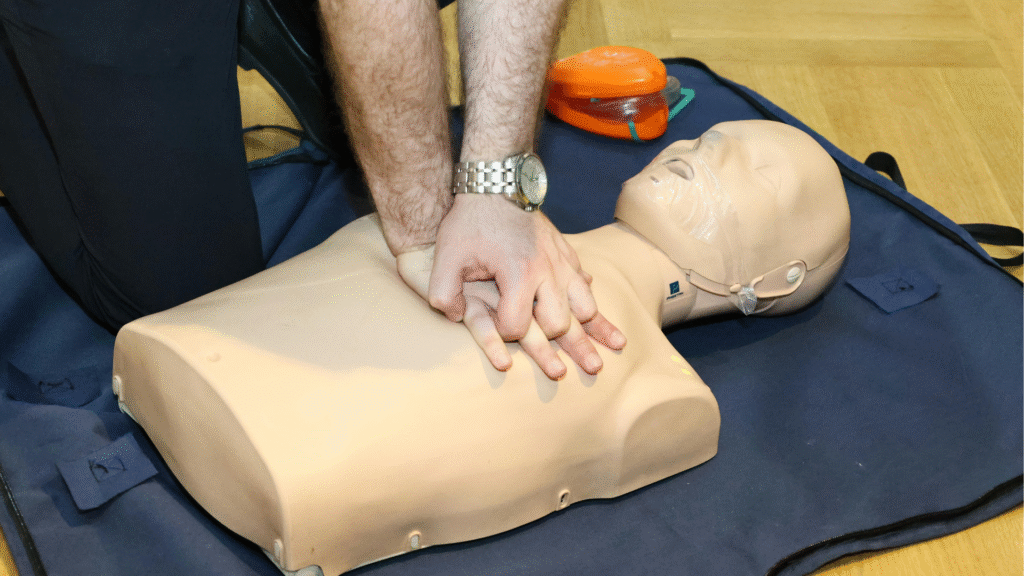
For organisations with WSH obligations, safety education forms an integral part of a complete wellness programme:
- Workplace safety training aligned with MOM requirements
- Disease prevention workshops
- Road safety awareness is relevant for employees who drive as part of their work
- Health talks and lunch-and-learn sessions
Singapore Government Support: HPB Workplace Health Promotion
The Health Promotion Board (HPB) runs the Workplace Health Promotion (WHP) programme, which supports Singapore employers in implementing structured wellness initiatives. HPB provides:
- A recognised framework for corporate wellness programme design
- Access to certified Workplace Health Ambassadors
- Grant funding support for eligible programme components
- The Healthy Workplace Ecosystem is a collaborative framework encouraging organisations in the same building or industrial park to implement wellness programmes together
Engaging a qualified wellness provider ensures your programme is structured in a way that aligns with HPB’s WHP framework and maximises your eligibility for available support.
Corporate Wellness Programmes for SMEs vs MNCs
For SMEs (Under 200 Employees)
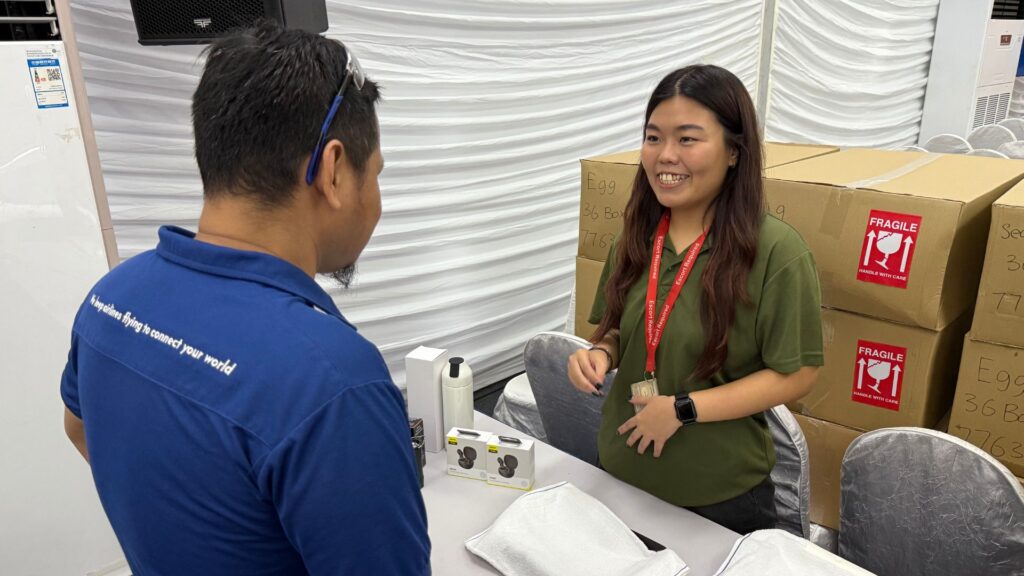
SMEs often assume corporate wellness programmes are only for large organisations. In practice, smaller teams can implement highly effective programmes at lower cost, and the impact on individual employees is often more visible and measurable.
A practical starting point for a Singapore SME:
- Begin with a workstation ergonomics assessment and a half-day health screening, which address the most common risk factors at a manageable cost
- Add a mental wellness talk and a nutrition session to cover lifestyle health
- Document everything for your WSH risk assessment records
Many SMEs find that starting with ergonomics delivers immediate, visible ROI, employees report reduced discomfort, fewer complaints, and improved focus.
For MNCs and Larger Organisations
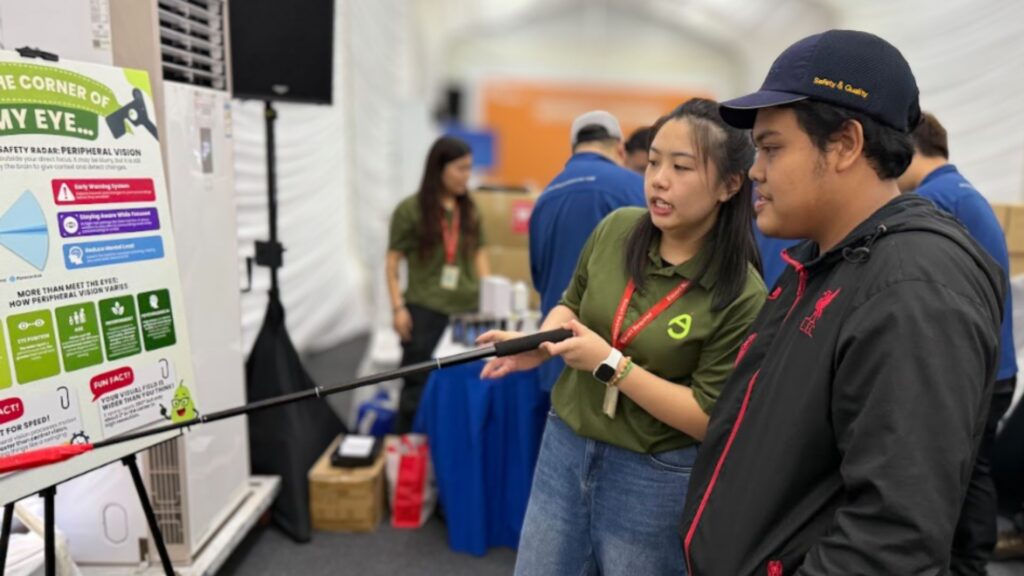
Larger organisations typically require a more structured, multi-year approach with consistent programme delivery across departments or sites. Key considerations include:
- Alignment with regional or global wellness frameworks
- Consistent measurement and reporting across locations
- Integration with existing WSH management systems
- Customised programme design for different employee groups (office vs. operational staff)
How to Choose a Corporate Wellness Programme Provider in Singapore
Not all wellness providers are equal. When evaluating providers, WSH officers and HR managers should ask:
1. Do they offer WSH-aligned services?
A provider that understands the MOM WSH framework, including WERA, risk assessments, and compliance documentation, adds significantly more value than a generic wellness vendor.
2. Can they deliver across the full wellness spectrum?
Ergonomics, health screening, mental wellness, safety training, and physical wellness should ideally come from a single provider to ensure coherent programme design and consistent delivery.
3. Do they have experience with Singapore employers?
Local regulatory knowledge, familiarity with HPB’s WHP framework, and experience across Singapore industries matter significantly.
4. Can they customise to your workforce?
A programme designed for a 50-person logistics SME should look different from one designed for a 500-person financial services firm. Cookie-cutter programmes deliver cookie-cutter results.
5. Do they provide documentation and reporting?
For WSH compliance purposes, your wellness provider should be able to supply assessment reports, participation records, and outcome summaries that support your WSH documentation obligations.
How to Get Started: A Practical Approach for Singapore Employers

Step 1: Assess Your Workforce Health Risks
Before selecting programme components, conduct a baseline assessment of your workforce’s health risk profile. This includes reviewing your existing WSH risk assessments for health-related hazards, reviewing any past health screening data, and speaking with employees or department heads about common health complaints.
Step 2: Prioritise by Risk and Compliance Obligation
Not all health risks are equal. Prioritise programme components that address your most significant WSH compliance obligations first, ergonomics and WMSD prevention for desk-based workers, hearing screening for noisy environments, and stress management for high-pressure roles.
Step 3: Implement Targeted Interventions
Work with your provider to deliver assessments and programmes that directly address your identified risks. Avoid the temptation to run generic wellness events that look good on paper but don’t address real workforce health issues.
Step 4: Document for WSH Compliance
Ensure all assessments, participation records, and outcomes are properly documented. This serves both as evidence of your duty of care and as a baseline for measuring programme effectiveness over time.
Step 5: Review and Adapt Annually
Workforce health risks change. Review your programme annually against updated risk assessment data, employee feedback, and any changes to MOM or HPB guidelines.
Common Misconceptions About Corporate Wellness Programmes
“We already do a yearly health screening, that’s enough.”
Annual health screening is a starting point, not a complete programme. It identifies health risks but does nothing to address their root causes. A complete programme includes intervention, education, and follow-up.
“Corporate wellness is too expensive for our size.”
Many effective programme components, ergonomics talks, mental wellness workshops, and safety training, are highly cost-effective. HPB grants can further reduce the cost of implementing a structured programme.
“Our employees are young and healthy; we don’t need this yet.”
WMSDs, stress-related conditions, and sedentary lifestyles affect employees at all ages. Early intervention is significantly cheaper than managing injury claims and rehabilitation later.
“Wellness programmes are HR’s job, not the WSH officer’s concern.”
In Singapore’s WSH framework, occupational health and employee wellness are explicitly part of the WSH officer’s remit. Ergonomic hazards, noise-induced hearing loss, and stress are all WSH issues, not just HR concerns.
Frequently Asked Questions
- What is the difference between a corporate wellness programme and occupational health?Occupational health focuses specifically on preventing and managing work-caused illness and injury. Corporate wellness is broader, it addresses overall employee health, including lifestyle factors. In practice, the most effective Singapore programmes integrate both.
- Does MOM require employers to have a corporate wellness programme?
There is no single regulation requiring a “corporate wellness programme” by name. However, multiple WSH obligations, risk assessment, health surveillance, and duty of care collectively require employers to proactively manage workforce health.
- How much does a corporate wellness programme cost in Singapore?
Costs vary significantly depending on company size, programme scope, and provider. HPB grants are available for eligible employers and can offset a meaningful portion of programme costs.
- How often should we run a corporate wellness programme?
Most Singapore employers run annual or bi-annual programmes, with ongoing elements such as ergonomics assessments and mental wellness support available throughout the year.
- Can a small company in Singapore implement a corporate wellness programme?
Yes. Programmes can be scaled to any organisation size. A meaningful starting point for a small company might be a combined health screening and workstation ergonomics session, supplemented by one or two health talks per year.
How AnjouHealth Supports Corporate Wellness in Singapore
AnjouHealth delivers integrated workplace health and safety programmes for Singapore employers across industries. Our corporate wellness services cover the full spectrum, from WSH-aligned ergonomics assessments (WERA and workstation assessments) to on-site health screenings, mental wellness workshops, stress management programmes, physiotherapy and injury prevention, nutrition talks, workplace safety training, and customised campaign delivery.
We design programmes around your specific workforce risks, WSH compliance obligations, and organisational goals, not generic wellness packages. Whether you are an SME implementing your first structured programme or a larger organisation looking to strengthen an existing one, we can help you build something that delivers real outcomes for your employees and your business.
Get in touch with us to discuss your corporate wellness programme.