Workplace Safety Programmes › Workplace Injury Management
Workplace Injury Management
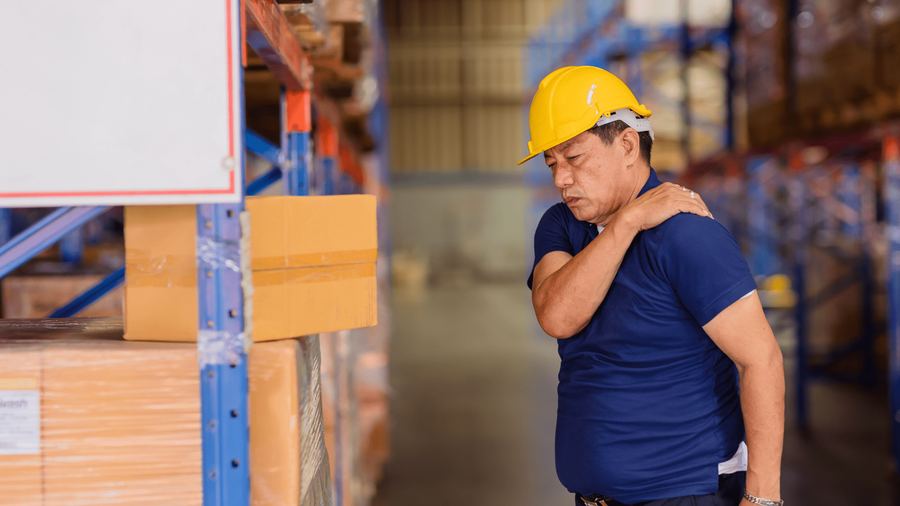
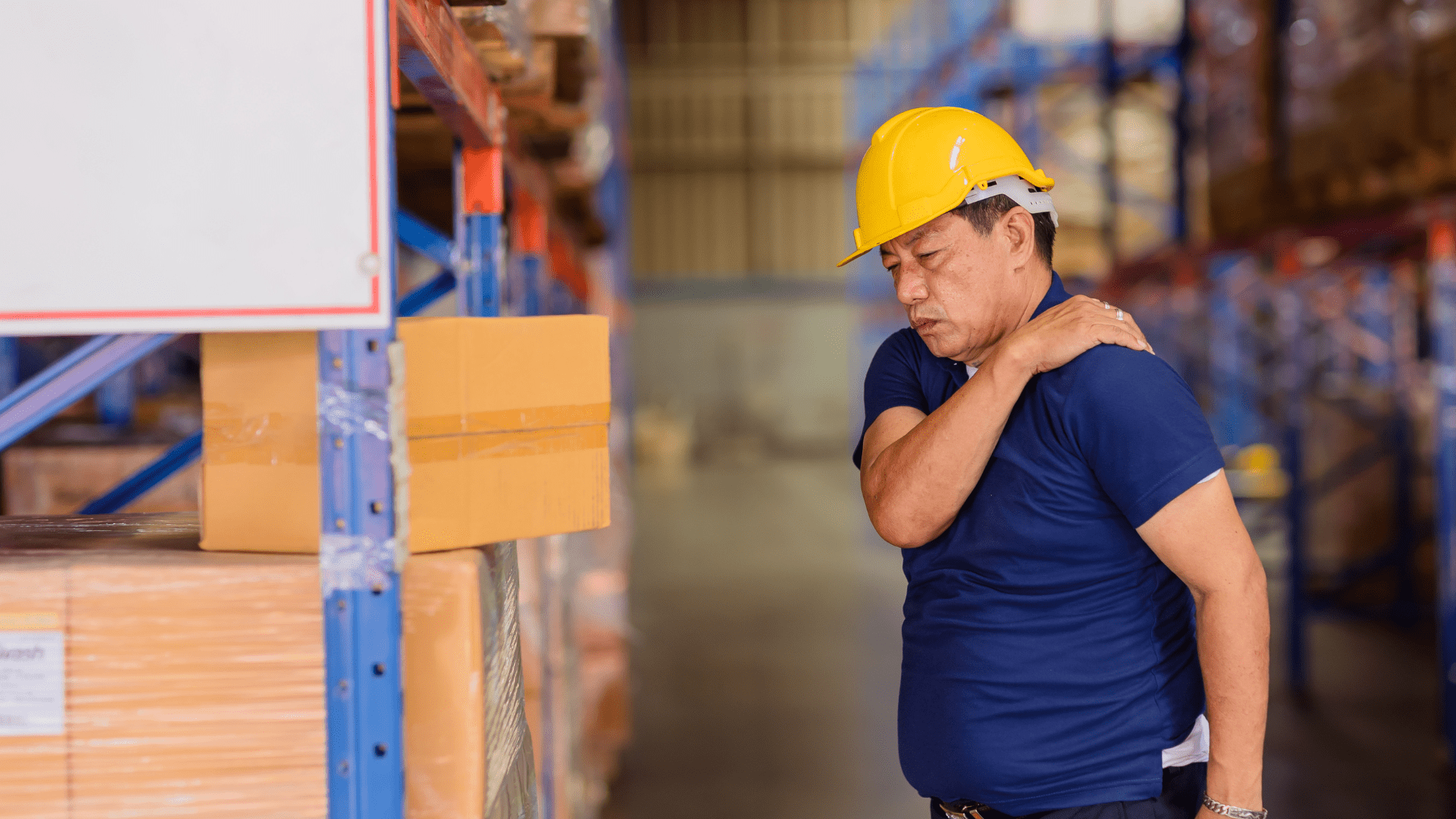
Early intervention and collaborative care, creating personalised return-to-work plans with job modifications, phased schedules, and full WICA compliance support.
Is WERA right for you?
- An employee has been injured at work and is on MC
- You need to manage WICA reporting and compliance
- You want to reduce MC days and get staff back safely
- No dedicated safety officer or RTW coordinator in-house
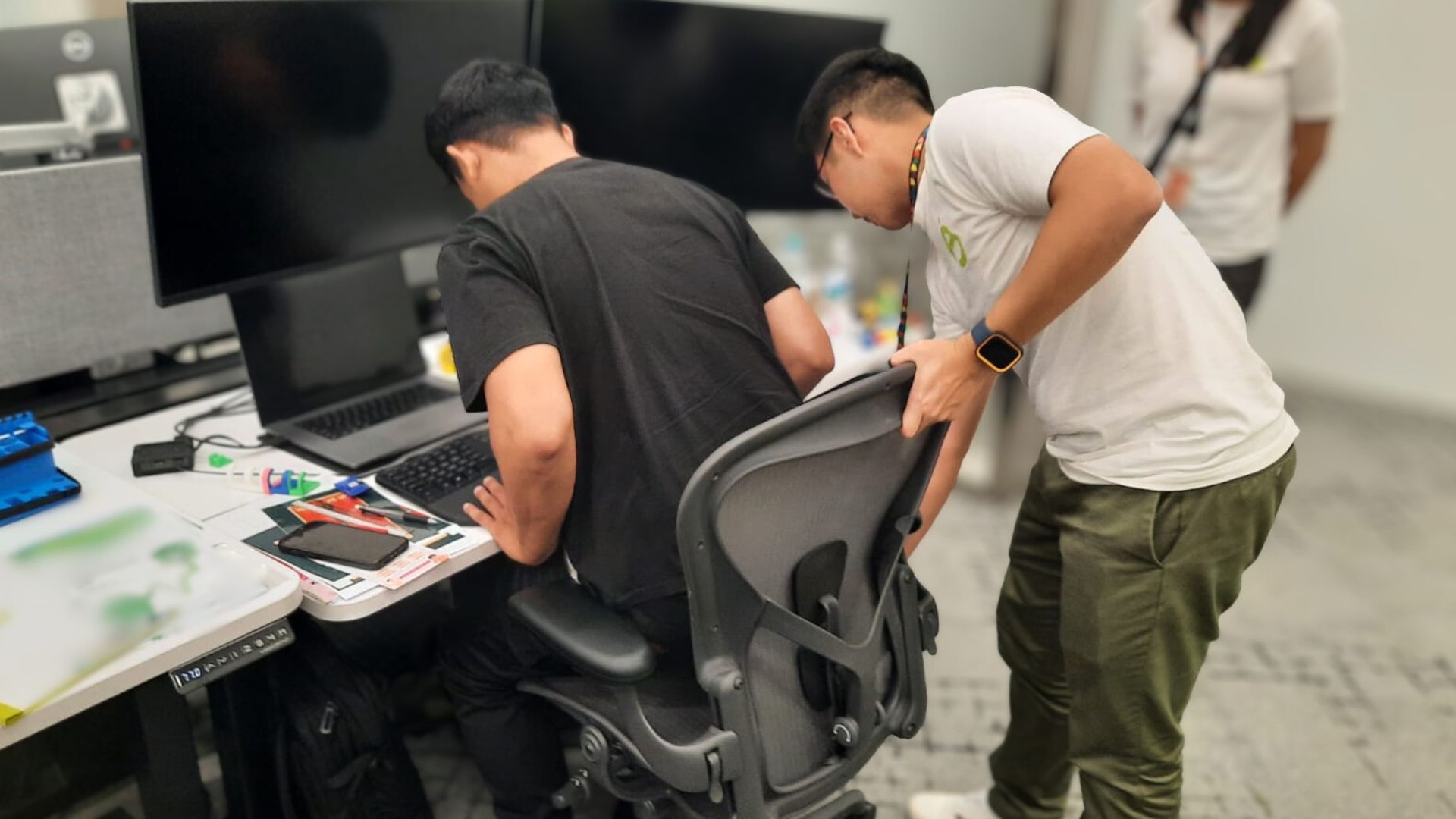
- Recurring injuries from poor ergonomics or workstation setup
- You want to claim WSHC RTW funding ($800 savings per case)
If any of these apply, we can help.
53
Projects
2,214+
Participants Reached
>95%
Client Satisfaction
What Is Workplace Injury Management?
Workplace injury management is a comprehensive system for handling work injuries, from the moment an incident occurs through to a safe, sustainable return to work. It goes far beyond issuing an MC and waiting for recovery.
AnjouHealth's Workplace Injury Management service focuses on early intervention and collaborative care, creating personalised plans with job modifications, phased schedules, and full WICA compliance support to ensure a smooth transition back to work for both the employee and the employer.
Under Singapore's Workplace Safety and Health Act and WICA, employers have legal obligations to report injuries, manage medical costs, and support recovery. Done right, a structured RTW programme saves an average of $800 per case and cuts 10 MC days per employee.
This service is right for your organisation if you have:
- An employee injured at work and currently on MC
- No dedicated RTW coordinator or safety officer in-house
- WICA reporting obligations you're unsure how to handle
- Employees stuck on long MC with no gradual reintegration plan
- Recurring injuries from unaddressed ergonomic or workstation risks
- A need to claim WSHC RTW funding to offset injury costs
- Manufacturing, logistics, construction, or office environments
- Small to mid-size companies managing injury cases without HR support
Industries & Roles We Support
Workplace injuries happen across every sector. Our RTW programme is designed to support any organisation managing injured employees back to work safely.
Manufacturing
Assembly, production, machine operation, and repetitive task roles
Construction
Work-at-height, heavy lifting, and site operation injuries
Logistics & Warehousing
Loading, packing, and order fulfilment injuries
Healthcare
Patient handling, nursing, and care-related strains
Corporate & Office
Desk-based MSD, slip/trip, and sedentary injury cases
F&B & Hospitality
Kitchen, service, and back-of-house injuries
Facilities Management
Cleaning, maintenance, and operations injuries
Engineering & Utilities
Maintenance, technical, and field operations injuries
Our Return to Work Process
A structured 5-step approach that gets your injured employee back safely, while keeping you fully compliant with Singapore's WICA and WSH requirements.
Step 1: First 60 Minutes Response Protocol
The first hour after a workplace injury sets the tone for the entire recovery. Our coordinators guide you through immediate incident response, securing the scene, administering first aid, documenting the incident, arranging medical transport if needed, and briefing the clinic ahead of the employee's arrival so the doctor has full context from the start.
You receive
A completed incident report template and a confirmed clinic visit with the doctor pre-briefed on the injury, so nothing is missed from Day 1.
The Impact of Structured Injury Management
Organisations with a proper RTW system in place recover faster, spend less, and protect their workforce more effectively.
10 Fewer MC Days
Early intervention and structured RTW plans cut average MC duration by 10 days per case.
$800 Saved Per Case
WSHC RTW programme funding offsets medical and coordination costs: 100% claimable from WICA insurance.
Full WICA Compliance
Correct reporting, documentation, and claims handling protects you from fines of up to $50,000.
Lower Re-Injury Rate
Ergonomic audits and root cause fixes prevent the same injury from affecting another employee.
Stronger Employee Trust
A well-managed injury shows employees they're valued: improving morale and retention across the team.
Frequently Asked Questions
For broader workplace safety questions, see our FAQs page.
Partner With Us!
Let's empower your workplace with leading health and safety solutions together.