Early intervention and collaborative care, creating personalised return-to-work plans with job modifications, phased schedules, and full WICA compliance support.
Projects
Professionals Trained
Client Satisfaction
Workplace injury management is a comprehensive system for handling work injuries, from the moment an incident occurs through to a safe, sustainable return to work. It goes far beyond issuing an MC and waiting for recovery.
AnjouHealth's Workplace Injury Management service focuses on early intervention and collaborative care, creating personalised plans with job modifications, phased schedules, and full WICA compliance support to ensure a smooth transition back to work for both the employee and the employer.
Under Singapore's Workplace Safety and Health Act and WICA, employers have legal obligations to report injuries, manage medical costs, and support recovery. Done right, a structured RTW programme saves an average of $800 per case and cuts 10 MC days per employee.
Workplace injuries happen across every sector. Our RTW programme is designed to support any organisation managing injured employees back to work safely.
Assembly, production, machine operation, and repetitive task roles
Work-at-height, heavy lifting, and site operation injuries
Loading, packing, and order fulfilment injuries
Patient handling, nursing, and care-related strains
Desk-based MSD, slip/trip, and sedentary injury cases
Kitchen, service, and back-of-house injuries
Cleaning, maintenance, and operations injuries
Maintenance, technical, and field operations injuries
A structured 5-step approach that gets your injured employee back safely — while keeping you fully compliant with Singapore's WICA and WSH requirements.
The first hour after a workplace injury sets the tone for the entire recovery. Our coordinators guide you through immediate incident response — securing the scene, administering first aid, documenting the incident, arranging medical transport if needed, and briefing the clinic ahead of the employee's arrival so the doctor has full context from the start.
We coordinate the clinic visit to a WICA panel clinic, request a functional capacity evaluation, and ensure clear work restrictions are documented — not just MC days. Simultaneously, we handle MOM reporting obligations: fatalities must be reported immediately via iReport, while injuries resulting in 24-hour hospitalisation or more than 3 consecutive MC days must be reported within 10 days.
Light duties begin immediately after an occupational therapist consultation — not when the employee feels "100% recovered." Our team works with you to identify suitable modified duties matched to the employee's medical restrictions. Examples include desk work for warehouse staff, quality inspection for factory workers, or inventory checking for logistics roles. Starting light duties in Week 1 saves an average of $4,500 per case.
If your employee qualifies — WICA-covered injury, 14+ days MC, able to do some light work, and a valid work pass with 9+ months remaining — we activate the WSHC Return to Work programme on your behalf. The programme costs $600–$1,000 but is 100% claimable from your WICA insurance, so you pay nothing out of pocket. You receive a dedicated RTW coordinator, workplace visit, custom phased return plan, and therapy booking support.
Recovery doesn't end when the employee returns to full duties. We conduct ergonomic audits to fix the root cause — whether that's a poorly configured workstation, unsafe lifting practice, or a hazardous workflow — to prevent the same injury from occurring again. We also train supervisors on how to manage returning employees, conduct daily check-ins, and handle documentation for ongoing WICA claims.
Organisations with a proper RTW system in place recover faster, spend less, and protect their workforce more effectively.
Early intervention and structured RTW plans cut average MC duration by 10 days per case.
WSHC RTW programme funding offsets medical and coordination costs — 100% claimable from WICA insurance.
Correct reporting, documentation, and claims handling protects you from fines of up to $50,000.
Ergonomic audits and root cause fixes prevent the same injury from affecting another employee.
A well-managed injury shows employees they're valued — improving morale and retention across the team.
Questions specific to our Workplace Injury Management service. For broader workplace safety FAQs, visit our FAQs page.
These programmes complement Workplace Injury Management for a more comprehensive approach to workplace health and safety.

Identify and address ergonomic hazards in high-risk roles before they result in injuries.
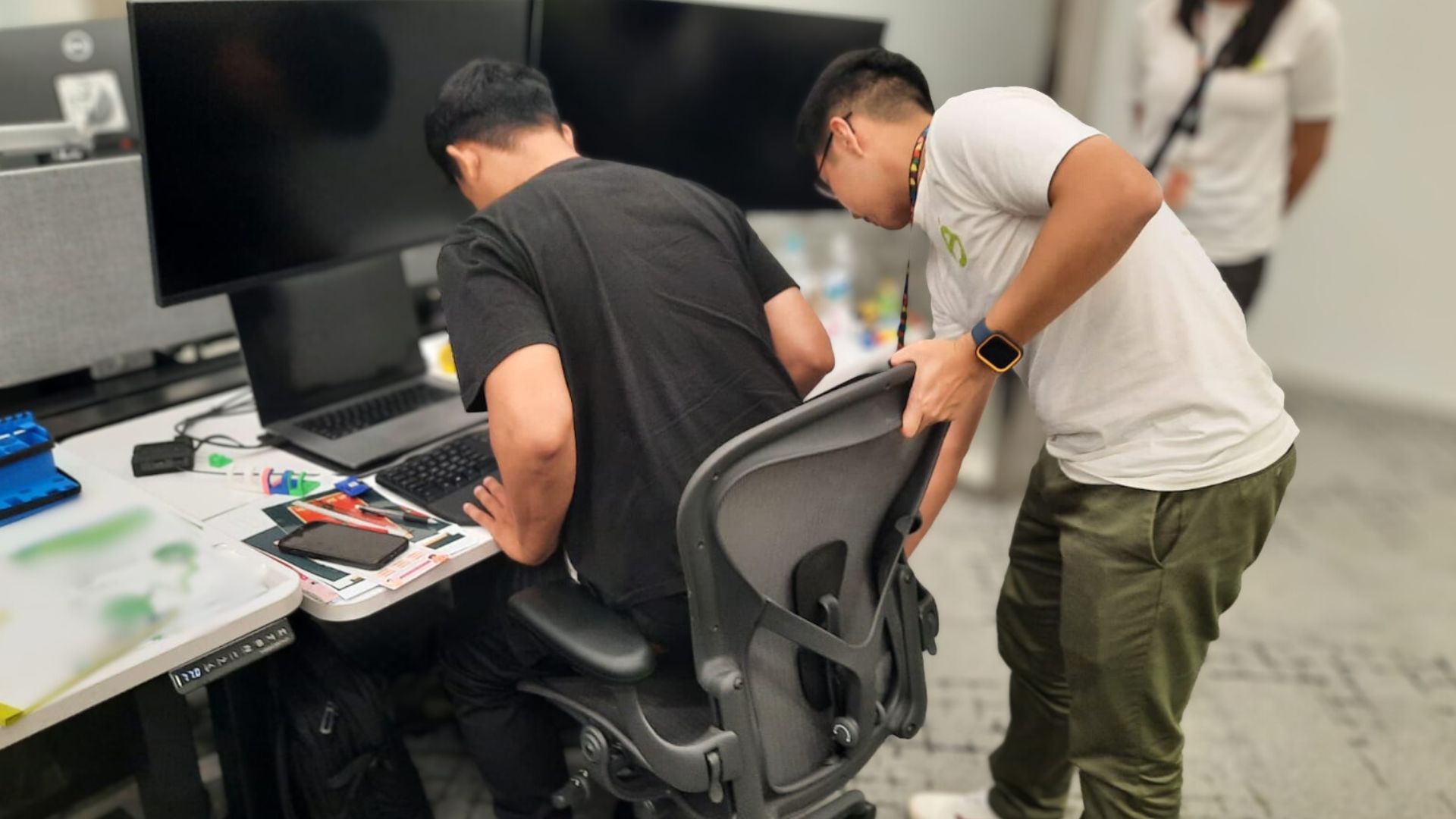
Learn more →
Ergonomic assessments and physiotherapy interventions for office and desk-based workers.
Learn more →
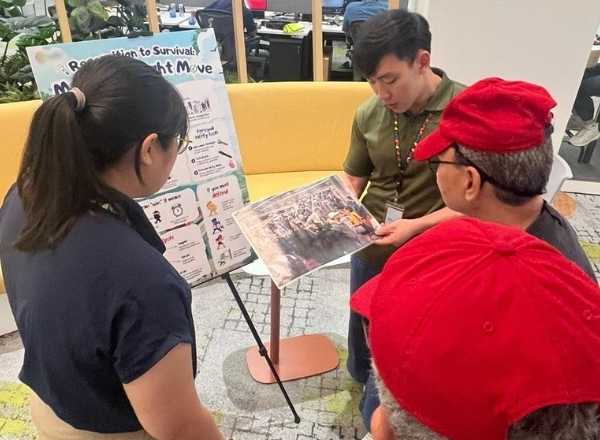
Build a stronger safety culture with targeted campaigns on injury prevention and safe work practices.
Learn more →Talk to our team about setting up a structured injury management system for your organisation. No obligation, we'll assess your needs and recommend the right approach.