

Written by
Bryan Sim, Business Development at AnjouHealth
An OHS programme developer at AnjouHealth focused on designing workplace health and safety initiatives that help organisations create safer, healthier, and more engaged environments. He works on translating ergonomic assessments and workplace risk insights into practical initiatives such as safety campaigns, wellbeing programmes, and workplace interventions that are impactful, sustainable, and aligned with operational needs.
Overview
When an employee is injured at work, the clock starts immediately, not just on their recovery, but on your obligations as an employer under Singapore’s Work Injury Compensation Act (WICA).
Yet in many Singapore workplaces, return to work is treated as an afterthought. Injured employees are left to manage their own recovery, return too early without proper clearance, or remain off work far longer than necessary. The result: re-injuries, prolonged claims, rising MC costs, and in some cases, enforcement action from MOM.
A structured return-to-work programme changes that. It supports the employee through every stage of recovery, from the day of injury to full-duty clearance, while keeping the employer compliant, informed, and in control throughout.
This guide covers everything Singapore employers, HR managers, and WSH officers need to know about return-to-work programmes: what they are, what the law requires, how they work in practice, and what a well-run programme looks like.
In This Guide
- What is a return-to-work programme
- Why return-to-work matters for Singapore employers
- What WICA requires from employers
- Key components of an effective RTW programme
- The role of physiotherapy in return to work
- How phased return to work is structured
- What documentation is required
- Common mistakes employers make
- How AnjouHealth supports your RTW programme
- Frequently asked questions
What Is a Return-to-Work Programme?

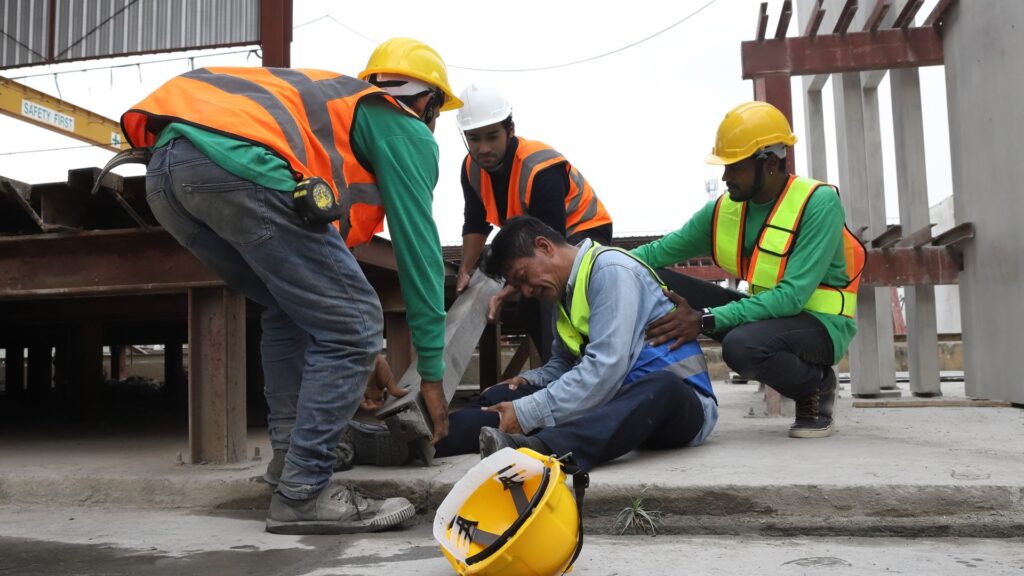
A return-to-work (RTW) programme is a structured, employer-managed process that supports injured employees from the point of injury through to safe, sustainable reintegration into their role.
It is not simply a case of waiting for a doctor to issue a fit-for-work certificate. A well-designed RTW programme combines clinical rehabilitation with workplace coordination, ensuring the employee recovers properly, the employer meets its legal obligations, and the conditions that caused the original injury do not cause a recurrence.
In Singapore, return-to-work programmes are most commonly associated with WICA (Work Injury Compensation Act) cases, workplace injuries that trigger reporting, treatment, and compensation obligations under MOM. But the principles apply to any injury-related absence, whether the injury occurred at work or not.
The core elements of a return-to-work programme are:
- Early intervention
Rehabilitation begins as soon as possible after injury, ideally within 24 to 48 hours
- Clinical assessment
A qualified physiotherapist assesses the injury, functional limitations, and the demands of the employee’s role
- Structured rehabilitation
Hands-on treatment throughout the recovery period, adjusted based on progress
- Phased return
A graduated return to duties starting with light or modified work and progressing to full duties as clinical capacity allows
- Documentation
MOM and WICA-ready records at every stage
- Re-injury prevention
Work hardening and ergonomic interventions before full-duty return
Why Return-to-Work Matters for Singapore Employers

1. Legal obligations under WICA
Under the Work Injury Compensation Act, Singapore employers are legally required to report workplace injuries to MOM, arrange medical treatment, and facilitate a structured return to work. Failure to meet these obligations can result in penalties and enforcement action.
A return-to-work programme is the mechanism through which these obligations are fulfilled systematically and with proper documentation.
2. Faster recovery, lower costs
Employees who begin structured rehabilitation within the first week of injury recover significantly faster than those who self-manage or wait for clinic appointments. Early intervention prevents injuries from becoming chronic, reduces the total number of treatment sessions required, and shortens the period of restricted or modified duties.
For employers, this translates directly into reduced MC days, lower compensation claims, and less disruption to operations.
3. Reduced re-injury risk
One of the most costly mistakes in injury management is returning an employee to full duties before they are clinically ready. Without a formal clearance process, employees often return to the same conditions that caused the original injury and re-injure within weeks.
A structured RTW programme uses functional capacity assessments and work hardening to ensure the employee’s body is genuinely ready for the physical demands of their role before full-duty return is authorised.
4. Protection during MOM inspections and WICA audits
Undocumented or unstructured return-to-work processes leave employers exposed. During MOM inspections and WICA claims reviews, employers without clear documentation of their RTW process, including clinical records, duty modification plans, and physiotherapy reports, are unable to demonstrate compliance.
A structured programme generates the documentation you need at every stage.
What WICA Requires from Employers
The Work Injury Compensation Act sets out specific obligations for Singapore employers when a workplace injury occurs.
- Reporting obligations
Employers must notify MOM of any workplace accident that results in an employee being given more than three days of medical leave or that results in hospitalisation. Notification must be made within 10 days when employer is first notified.
- Medical treatment
Employers are required to arrange or provide medical treatment for injured employees. Physiotherapy costs for work-related injuries are claimable under the employer’s WICA insurance policy.
- Return-to-work facilitation
Employers must facilitate a safe return to work for injured employees. This includes making reasonable modifications to duties where necessary during the recovery period, and not pressuring employees to return before they are clinically ready.
- Documentation
Employers must maintain records of the injury, treatment, and return-to-work process. These records are used for WICA claims submissions, MOM reporting, and insurance purposes.
A structured return-to-work programme with a qualified physiotherapy provider ensures all of these requirements are met, with documentation generated at each stage that is ready for MOM submission.
Key Components of an Effective RTW Programme

- Early notification and case setup
The programme should be initiated within 24 to 48 hours of the injury being reported. This is the single most important factor in reducing recovery time and total claim cost. Early engagement with a physiotherapy provider allows the clinical assessment to be conducted before the injury worsens or becomes chronic.
At this stage, the employer’s HR and WSH teams should review WICA reporting obligations, confirm insurance coverage, and schedule the first on-site physiotherapy assessment.
- Clinical assessment
A qualified physiotherapist conducts a comprehensive assessment of the injury, covering severity, range of motion, functional limitations, pain levels, and the physical demands of the employee’s role.
A functional capacity assessment is completed to determine whether the employee is fit for restricted duties, modified duties, or whether full rest is required. All findings are documented in a format suitable for WICA submissions.
- Structured rehabilitation
The physiotherapist delivers a structured, progressive rehabilitation programme throughout the recovery period. For onsite programmes, sessions are conducted at the workplace, reducing the barrier of travel and ensuring the therapist understands the actual conditions the employee will return to.
Treatment typically includes manual therapy, therapeutic exercise, soft tissue mobilisation, and progressive loading, all designed to restore function and prepare the employee for the demands of their specific role.
- Phased return to work
As the employee recovers, a phased return to work is coordinated with HR, WSH, and supervisory teams. This starts with light or modified duties and progressively increases load and responsibility as clinical capacity allows.
The progression is clinically driven; each step is based on functional capacity assessment, not on a fixed calendar timeline. Duty recommendations are documented and shared with the employer at each milestone.
- Full-duty clearance and re-injury prevention
Before full-duty return is authorised, a final functional capacity assessment confirms the employee is physically ready for their pre-injury role. A work hardening programme, task-specific conditioning exercises matched to the demands of the role, is implemented to reduce re-injury risk during the critical first weeks back at full duties.
Final documentation covers the full rehabilitation journey and is suitable for WICA case closure.
The Role of Physiotherapy in Return to Work
Physiotherapy is the clinical backbone of an effective return-to-work programme. But the role of the physiotherapist in an RTW context goes beyond treating the injury, it includes workplace coordination, documentation, and liaison with the employer’s HR and WSH teams.
In a well-structured RTW programme, the physiotherapist:
- Conducts the initial functional capacity assessment and determines fitness for modified duties
- Delivers hands-on treatment throughout the recovery period
- Monitors and documents recovery progress at each session
- Advises on duty modifications and communicates these to HR and supervisors
- Conducts pre-return work hardening to prepare the employee for full duties
- Provides MOM and WICA-ready documentation at each stage of the case
On-site physiotherapy, where the therapist comes to your workplace rather than the employee attending a clinic, significantly improves outcomes. It removes the barriers that delay treatment, allows the therapist to assess actual working conditions, and enables faster, more practical coordination with your HR and WSH teams.
How Phased Return to Work Is Structured

A phased return to work is not a single event, it is a graduated process that unfolds over days or weeks, depending on the severity of the injury. Here is what it typically looks like in practice.
- Phase 1: Restricted duties.
The employee returns to the workplace on a restricted duty arrangement, performing tasks that do not place a load on the injured area. For a worker recovering from a back injury, this might mean administrative tasks, supervision, or quality checking rather than manual handling.
- Phase 2: Modified duties
As recovery progresses, the employee takes on modified duties, a partial return to their normal role with specific restrictions. A construction worker might return to the site but with lifting restrictions and no work at height until cleared.
- Phase 3: Progressive loading
The employee gradually increases the physical demands of their work, guided by the physiotherapist’s progressive loading programme. This phase bridges the gap between modified duties and full-duty return.
- Phase 4: Full-duty return
Following a final functional capacity assessment, the employee is cleared for full duties. A re-injury prevention plan is put in place to protect against recurrence during the first weeks back at full load.
Throughout all phases, duty recommendations are documented by the physiotherapist and shared with the employer. Supervisors are briefed on what the employee can and cannot do at each stage, and WICA documentation is updated to reflect the current duty status.
What Documentation Is Required
A return-to-work programme generates several categories of documentation, each serving a different purpose.
- Clinical records
Session-by-session treatment notes documenting the nature of the injury, treatment provided, progress against rehabilitation goals, and updated duty recommendations. These are required for WICA claims and insurance submissions.
- Functional capacity assessment reports
Formal assessments of the employee’s physical capacity relative to their role demands, produced at the initial assessment, at key milestones during recovery, and at pre-return clearance. These are the primary clinical basis for duty modification decisions.
- Return-to-work plans
Written plans documenting the phased return schedule, duty modifications at each phase, progression criteria, and the responsible parties for each step. These are shared with HR, WSH, and supervisory teams.
- WICA documentation
MOM-ready records for each stage of the case from initial injury notification through to case closure. Under WICA requirements, all relevant records should be retained for audit purposes.
- Full-duty clearance letter
A formal letter from the physiotherapist confirming that the employee has been assessed as fit for full duties, suitable for HR records, and WICA case closure.
Common Mistakes Employers Make

Despite being a legal requirement, structured return-to-work management is frequently handled poorly in Singapore workplaces. These are the most common mistakes:
- Waiting too long to start rehabilitation
Every day of delay after an injury increases the risk of the injury becoming chronic. Employers who wait until the employee’s MC period ends before thinking about rehabilitation lose the most critical window for effective intervention.
- Returning employees too early without clearance
Pressure to get employees back on the floor leads to premature full-duty returns. Without clinical clearance, employees return to the same conditions that caused the original injury and re-injure within weeks. Re-injury claims are typically more complex and more costly than the original.
- Not modifying duties during recovery
Some employers have no modified duty arrangements in place, leaving injured employees with only two options: full duties or full absence. A phased return is only possible if the employer has the flexibility to offer modified work during the recovery period.
- Poor documentation
Undocumented return-to-work processes leave employers unable to demonstrate compliance during MOM inspections or WICA reviews. Every stage of the process should be documented, from the initial injury report to the full-duty clearance letter.
- No coordination between clinical and HR teams
When the physiotherapist and the HR team are not communicating, duty modification recommendations do not get implemented, supervisors are not briefed, and the employee falls through the gaps. Effective RTW programmes require active coordination between clinical, HR, and operational teams.
- Ignoring re-injury risk
Many employers consider the job done when the employee returns to full duties. Without a work-hardening programme and re-injury prevention plan, the risk of recurrence during the first weeks back at full load remains high.
Industries We Support
A structured return-to-work programme is relevant for any industry where employees perform physical work or are at risk of workplace injury.
- Manufacturing: Repetitive strain, crush injuries, and machinery-related injuries
- Construction: Falls, heavy lifting injuries, and musculoskeletal trauma
- Logistics and warehousing: Manual handling injuries, back strain, and shoulder or wrist injuries
- Healthcare: Patient handling injuries, needle-stick incidents, and postural strain
- Engineering and utilities: Joint strain and recovery from physically demanding fieldwork
- F&B and hospitality: Burns, cuts, slips, and upper limb injuries
- Transport and delivery: Back pain, road accident recovery, and loading strain
- Corporate and office: Slips and falls, repetitive strain, and post-surgical recovery
How AnjouHealth Supports Your Return-to-Work Programme
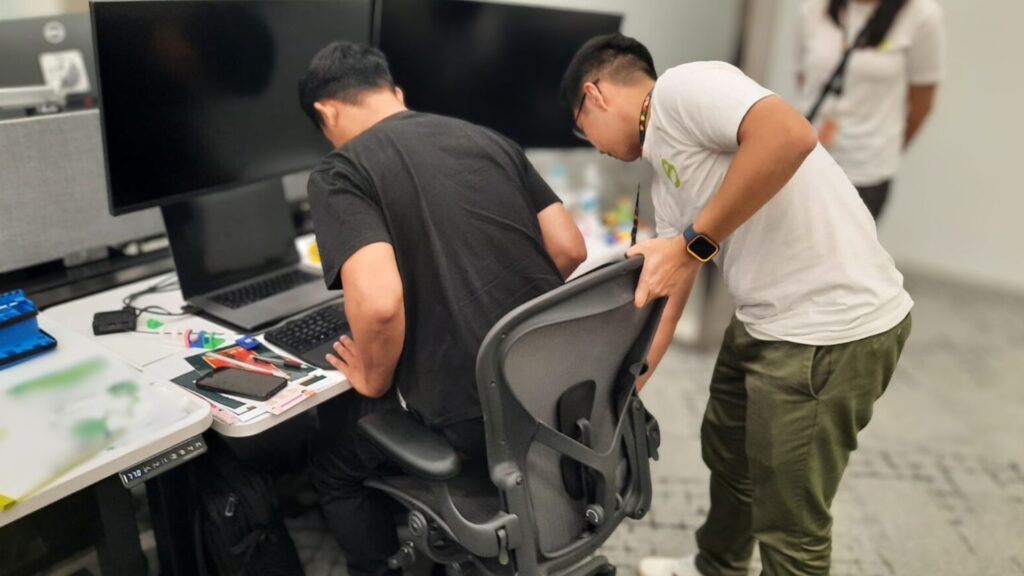
AnjouHealth provides structured onsite injury rehabilitation and return-to-work planning for Singapore employers, covering WICA compliance, hands-on physiotherapy treatment, and safe reintegration under MOM requirements.
Our programme is delivered onsite at your workplace by qualified physiotherapists who work directly with your HR, WSH, and medical teams to coordinate every stage of the recovery and return-to-work journey from initial assessment through phased reintegration to full-duty clearance.
We work with over 1,200 trained professionals across Singapore and maintain a client satisfaction rate exceeding 95%.
Learn more about our Injury Rehabilitation & Return-to-Work Programme
Services that complement your RTW programme
- Workplace Injury Management
A broader injury management system covering incident response, WICA claims coordination, and HR processes - Onsite Physiotherapy Consultations
For employees who need ongoing physiotherapy beyond a structured WICA case - Ergonomics & Physiotherapy Programme
Address the ergonomic root causes of the original injury after a successful return to work
Frequently Asked Questions
- What is an employer’s obligation under WICA for return to work?
Under WICA, employers are required to report workplace injuries to MOM, arrange medical treatment, and facilitate a structured return to work for injured employees. Failure to meet these obligations can result in penalties. A structured programme with documented clinical records and return-to-work plans ensures every requirement is met.
- How quickly should a return-to-work programme start after a workplace injury? Ideally, within 24 to 48 hours of the injury being reported. Early engagement is the single most important factor in reducing recovery time. Employees who begin structured rehabilitation in the first week of injury recover significantly faster than those who self-manage or wait for a clinic appointment.
- Can physiotherapy costs be claimed under WICA?
Yes. Under WICA, medical expenses, including physiotherapy treatment for work-related injuries, are claimable from the employer’s WICA insurance policy. Your provider should supply fully documented treatment records suitable for insurance claims and MOM submissions.
- How is the return-to-work timeline determined?
The timeline is determined by the employee’s clinical progress, assessed by the physiotherapist at each session, combined with the physical demands of their role. A well-run programme does not set a fixed timeline upfront, it uses functional capacity assessments at key milestones to determine readiness for light duties, modified duties, and full duties.
- What is the difference between restricted duties and modified duties?
Restricted duties mean the employee performs tasks entirely different from their normal role, avoiding the injured area entirely. Modified duties mean the employee returns to their normal role with specific restrictions in place, such as a lifting limit or exclusion from certain tasks. Both are part of a phased return framework and should be documented in the return-to-work plan.
- What happens if an employee refuses to participate in a return-to-work programme?
Employers should document the offer of a structured return-to-work programme and the employee’s response. Under WICA, employees are expected to cooperate with reasonable return-to-work measures. If an employee refuses without a valid reason, this may affect the management of their compensation claim. Legal advice should be sought in complex cases.
- What records do I need to keep for WICA return-to-work cases?
At a minimum: the initial injury report, clinical assessment findings, functional capacity assessment reports, duty modification records, the phased return-to-work plan, session progress reports, and the full-duty clearance letter. Records should be retained for audit purposes in line with WICA requirements.
- How does a return-to-work programme reduce re-injury risk?
A structured programme uses work hardening, task-specific conditioning exercises matched to the demands of the role before full-duty clearance is given. This prepares the employee’s body for the physical load of their actual job, not just general fitness. It is particularly important for physically demanding roles where the risk of recurrence is highest.