


Overview
One of the most common questions Singapore business owners ask before starting their bizSAFE journey is a straightforward one: how much is this going to cost?
The honest answer is that it depends on which level you are pursuing, the size and complexity of your operations, your industry, and whether you engage a WSH consultant to support the process. But that does not mean you should go in blind.
This guide by AnjouHealth gives you a transparent, level-by-level breakdown of every cost involved in bizSAFE certification in Singapore, from the initial CEO workshop all the way through to renewal, so you can plan your budget accurately and avoid any surprises.
Why BizSAFE Costs Vary Between Companies

Before diving into numbers, it is important to understand why two companies pursuing the same BizSAFE level can end up paying very different amounts.
The key variables are:
Company size and complexity
A 10-person SME with straightforward operations will have a simpler Risk Management Plan to develop and audit than a 200-person manufacturer with multiple work processes, hazardous materials, and shift workers. Larger, more complex operations take more time to assess and document, which means higher consultancy and audit fees.Industry and risk profile
Higher-risk industries such as construction, manufacturing, marine, and logistics require more extensive risk assessments and control documentation. This increases both the consultancy time required and the scope of the audit.Whether you engage a WSH consultant
This is the single biggest cost variable. Companies with strong internal WSH capability can develop their Risk Management Plan in-house and simply pay for the audit. Companies without that expertise typically engage a consultant, which adds significantly to the total cost but significantly improves the chances of passing the audit on the first attempt.Existing safety documentation
Companies that already have documented safety procedures, training records, and incident logs in place will spend less time and money preparing for certification than those starting from scratch.
With that context in mind, here is the level-by-level breakdown.
bizSAFE Level 1 Cost
Level 1 requires your CEO or top management to attend the Top Executive WSH Programme (TEWP), a 3-hour workshop available online or in a classroom setting.
| Item | Estimated Cost (SGD) |
|---|---|
| TEWP: Online (WSHC e-learning) | ~$50 |
| TEWP: Classroom (approved providers) | $80 – $150 |
| WSHC application fee | Free |
| Total | ~$50 – $150 |
Level 1 is by far the most affordable step in the entire programme. The main cost is the TEWP course fee, the WSHC application itself is free. A full list of approved training organisations is available at tal.sg/wshc.
bizSAFE Level 2 Cost
Level 2 requires your appointed Risk Management Champion to attend a 2-day WSQ-accredited course on developing a Risk Management Implementation Plan.
| Item | Estimated Cost (SGD) |
|---|---|
| Level 2 Course: full fee | $320 – $600 |
| After ETSS funding — SMEs (up to 90% subsidy) | ~$32 – $60 |
| After SSG funding — SC/PR (50% subsidy) | ~$160 – $300 |
| WSHC application fee | Free |
| Total (before funding) | $320 – $600 |
| Total after ETSS (SMEs) | ~$32 – $60 |
Eligible SMEs receive up to 90% course fee subsidies for all employees regardless of age, through the Enhanced Training Support for SMEs (ETSS) scheme. SMEs are defined as companies with an annual turnover not exceeding $100 million or an employment size not exceeding 200 workers. Singapore Citizens aged 25 and above may also use their SkillsFuture Credit to offset remaining out-of-pocket expenses. Verify current eligibility directly with your chosen approved training organisation before enrolling, as grant conditions and quantum can change.
One often-overlooked cost at Level 2 is indirect time cost, pulling a supervisor, manager, or operations lead out of daily work for 2 full days is a real operational expense, even if the course fee is subsidised.
bizSAFE Level 3 Cost
Level 3 is where costs become more significant and more variable. This is the level most companies are working towards, and it involves three main cost components: training (if not yet done at Level 2), Risk Management Plan development, and the independent audit.
| Item | Estimated Cost (SGD) |
|---|---|
| Risk Management Plan development (in-house) | Staff time only |
| Risk Management Plan development (consultant) | $1,200 – $3,500 |
| RM Implementation Audit: new certification | $500 – $2,000 |
| WSHC application fee | Free |
| Total without consultant | $500 – $2,000 |
| Total with consultant (from Level 1) | $2,400 – $5,300 |
The biggest decision at Level 3 is whether to use a consultant. Here is how to think about it:
Companies with an experienced RM Champion, well-documented work processes, and some existing safety records can develop the Risk Management Plan in-house. This saves on consultancy fees but typically requires 40 to 80 hours of documentation work, depending on company size and complexity, and any errors identified during the audit mean rework and additional audit fees.
Companies without in-house safety expertise, particularly those pursuing BizSAFE for the first time, operating in complex environments, or working to a tight deadline, will typically find that engaging a consultant saves time and money in the long run by ensuring the plan is audit-ready from the start.
Important: Audit fees vary by company size, industry, and the scope of operations included in the audit. Always obtain quotes from at least two MOM-approved auditing organisations before committing.
bizSAFE Level 4 Cost
Level 4 requires the appointment of a WSHMS Champion who attends a 4-day course on developing a Workplace Safety and Health Management System Implementation Plan.
| Item | Estimated Cost (SGD) |
|---|---|
| Level 4 Course: WSHMS Champion (full fee) | $600 – $900 |
| After ETSS funding — SMEs (up to 90% subsidy) | ~$60 – $90 |
| After SSG funding — SC/PR (50% subsidy) | ~$300 – $450 |
| WSHMS documentation development (consultant) | $1,500 – $3,000 |
| WSHC application fee | Free |
| Total without consultant | $600 – $900 |
| Total with consultant | $2,100 – $3,900 |
Level 4 builds directly on the Risk Management Plan from Level 3. Companies that maintain strong Level 3 documentation typically find the jump to Level 4 less costly than starting fresh, as much of the foundational work is already done.
bizSAFE STAR Cost
bizSAFE STAR is the highest level of the programme and requires ISO 45001 (or SS651) certification from a SAC-accredited certification body, accompanied by a valid Risk Management Audit Report.
| Item | Estimated Cost (SGD) |
|---|---|
| ISO 45001 / SS651 Certification Audit | $3,000 – $8,000+ |
| OHSMS Documentation Development (consultant) | $3,000 – $6,000 |
| WSHC application fee | Free |
| Total | $6,000 – $14,000+ |
BizSAFE STAR costs vary significantly based on company size, industry risk profile, and the certification body engaged. For large enterprises or those with complex multi-site operations, costs can exceed $14,000. This level is typically pursued by companies with international clients, those competing for premium government contracts, or those seeking to align with global WSH standards.
Full Cost Summary: Level 1 to STAR
| Level | Without Consultant | With Consultant | Validity |
|---|---|---|---|
| Level 1 | $50 – $150 | N/A | 6 months |
| Level 2 | $100 – $300 (after funding) | N/A | 6 months |
| Level 3 | $500 – $2,000 | $2,400 – $5,300 (from L1) | 3 years |
| Level 4 | $600 – $900 | $2,100 – $3,900 | 3 years |
| Star | N/A | $6,000 – $14,000+ | 3 years |
All figures are estimates based on 2026 market rates. Actual costs depend on company size, industry, and provider. Always obtain quotes directly from approved training organisations and auditing organisations.
Funding Support Available for Singapore Businesses
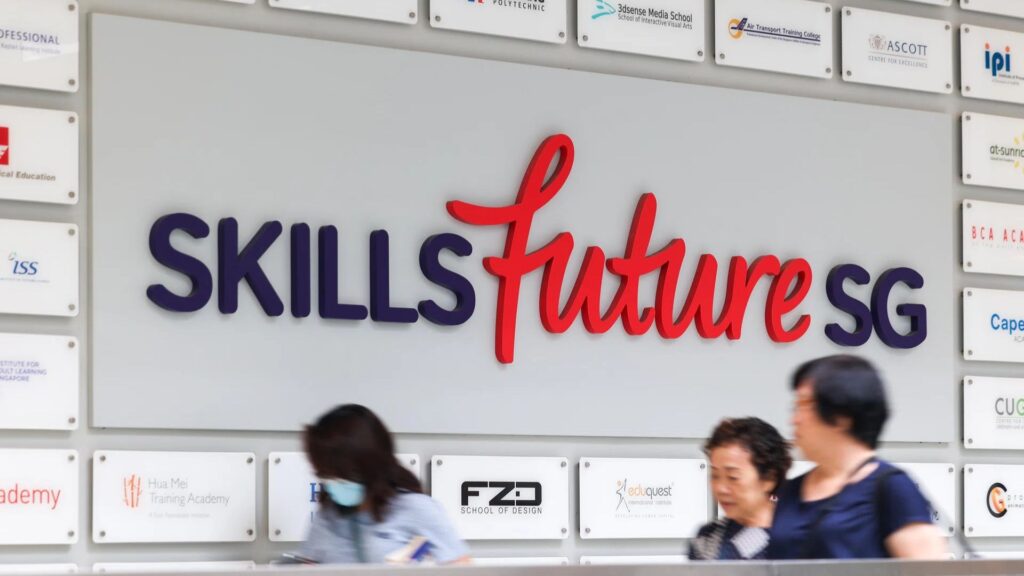
The Singapore government provides substantial funding support to reduce the cost of workplace safety training:
SkillsFuture Subsidies
Course fees for BizSAFE Level 2 and Level 4 training are subsidised under the SkillsFuture framework. Eligible companies receive up to 70% off course fees depending on company type and employee profile.Enhanced Training Support for SMEs (ETSS)
Companies defined with annual sales turnover not exceeding $100 million or employment size not exceeding 200 workers receive up to 70% course fee subsidies for eligible WSH training programmes.SkillsFuture Credit
Singapore Citizens aged 25 and above can use their SkillsFuture Credit to offset out-of-pocket training expenses, including BizSAFE Level 2 and Level 4 courses.Enterprise Development Grant (EDG)
The EDG, administered by Enterprise Singapore, supports Singapore companies in building business capabilities, including workplace safety and health systems. Companies pursuing bizSAFE certification, engaging WSH consultants, or implementing safety management systems may be eligible for EDG funding of up to 50% of qualifying costs. This grant is particularly relevant for SMEs looking to offset consultancy fees that are not covered by SkillsFuture subsidies.WSH Support Scheme
The WSHC's WSH Support Scheme provides grants for companies to engage WSH consultants, implement safety management systems, and purchase safety equipment. Check current eligibility and grant quantum directly with the WSHC, as funding parameters are reviewed periodically.
Always verify current funding eligibility directly with your chosen approved training organisation before enrolling, as grant conditions and quantum can change.
Renewal Costs: What to Budget Every 3 Years
bizSAFE Level 3 and above are valid for 3 years. Renewal requires a fresh audit and updated documentation. Here is what to budget:
| Level | Renewal Cost (SGD) |
|---|---|
| Level 3 | $500 – $1,500 (audit fees + documentation update) |
| Level 4 | $1,500 – $3,500 (audit fees + consultant support) |
| Star | $2,500 – $5,000 (full ISO 45001 surveillance/recertification) |
Renewal costs are typically lower than initial certification costs because the foundational documentation already exists and only needs to be updated and re-audited. Companies that maintain their risk assessments and safety records consistently throughout the 3-year period spend significantly less on renewal than those who scramble to update everything at the last minute.
Hidden Costs Most Companies Overlook
Beyond the direct certification fees, budget for these commonly overlooked expenses:
Employee time
Staff will need to participate in hazard identification walkthroughs, attend toolbox meetings, review safety procedures, and be available for auditor interviews. This is a real operational cost, even if it does not appear on an invoice.Safety equipment and signage
The risk assessment process often identifies gaps in PPE, first aid equipment, safety signage, or engineering controls that must be addressed before the audit.Additional staff training
Your Risk Management Plan may require specific safety training for workers, such as fire safety, first aid, or equipment-specific certification, which carries its own costs.=Corrective actions after audit
If the auditor identifies non-conformances, addressing them before the audit report is finalised may require additional consultant time, documentation rework, or equipment purchases.
Is the Investment Worth It?
For most Singapore businesses, the answer is clearly yes. Here is why the numbers add up:
A single workplace accident can cost significantly more than the entire certification process in medical expenses, lost productivity, MOM penalties, and work injury compensation payouts
bizSAFE Level 3 unlocks eligibility for government tenders, which for many companies represents contracts worth multiples of the certification cost
Many insurers offer lower Work Injury Compensation premiums to bizSAFE-certified companies, savings that compound over time
The structured approach to risk management that BizSAFE requires tends to reduce incident rates, absenteeism, and operational disruptions over the 3-year certification period
The question is not really whether BizSAFE is worth the cost, it is whether your company is ready to invest efficiently and effectively.
Looking to Strengthen Your Workplace Safety Culture Beyond bizSAFE?
Certification gives you the framework, AnjouHealth helps you bring it to life. At AnjouHealth, we are a trusted workplace health and safety partner in Singapore, with over 1,200 professionals trained and a client satisfaction rate exceeding 95%. We help businesses build lasting WSH cultures through evidence-based programmes that engage employees at every level.
Workplace Safety Campaigns
Interactive, hands-on campaigns that make WSH principles stick with your team long after the audit is doneWorkplace Ergonomics Risk Assessment (WERA)
Identify and mitigate ergonomic hazards that strengthen your Risk Management PlanOccupational Health Programmes
On-site health screenings, hearing tests, and wellness initiatives that demonstrate genuine care for employee well-beingCustomised WSH Solutions
Tailored programmes built around your industry, workforce size, and specific risk profile
Need Help With Workplace Safety?
Talk to our team about a tailored workplace safety, ergonomics, or wellness programme for your organisation.
Frequently Asked Questions
Yes. The WSHC enterprise application at every level is free. All costs arise from the mandatory training courses, independent audits, and any optional consultancy support you engage.
Yes. If your RM Champion has sufficient knowledge from the Level 2 course and your company has well-documented work processes, you can develop the Risk Management Plan in-house and only pay the audit fee. However, companies without prior safety documentation or internal WSH expertise typically find that consultant support reduces total cost by minimising the risk of audit failure and rework.
Yes. SkillsFuture subsidies and the Enhanced Training Support for SMEs scheme provide up to 70% off eligible course fees. The WSHC WSH Support Scheme also provides grants for WSH consultant engagement and safety system implementation. Eligibility conditions apply, verify with your training provider or the WSHC directly.
Renewal typically costs between $500 and $1,500, covering the updated Risk Management Plan documentation and a fresh RM Implementation Audit by a MOM-approved auditing organisation. Companies that maintain their safety records throughout the 3-year period tend to spend less on renewal.
The auditor will issue a list of non-conformances. You will need to address these before the audit report is finalised, which may involve additional consultant time or documentation rework. This is why investing in proper preparation upfront typically saves money compared to dealing with a failed first attempt.
Yes. Audit fees vary based on the number of employees, work sites, and work processes included in the audit scope. Always request quotes from at least two MOM-approved auditing organisations and compare the scope of services, not just price.