

Quick Summary
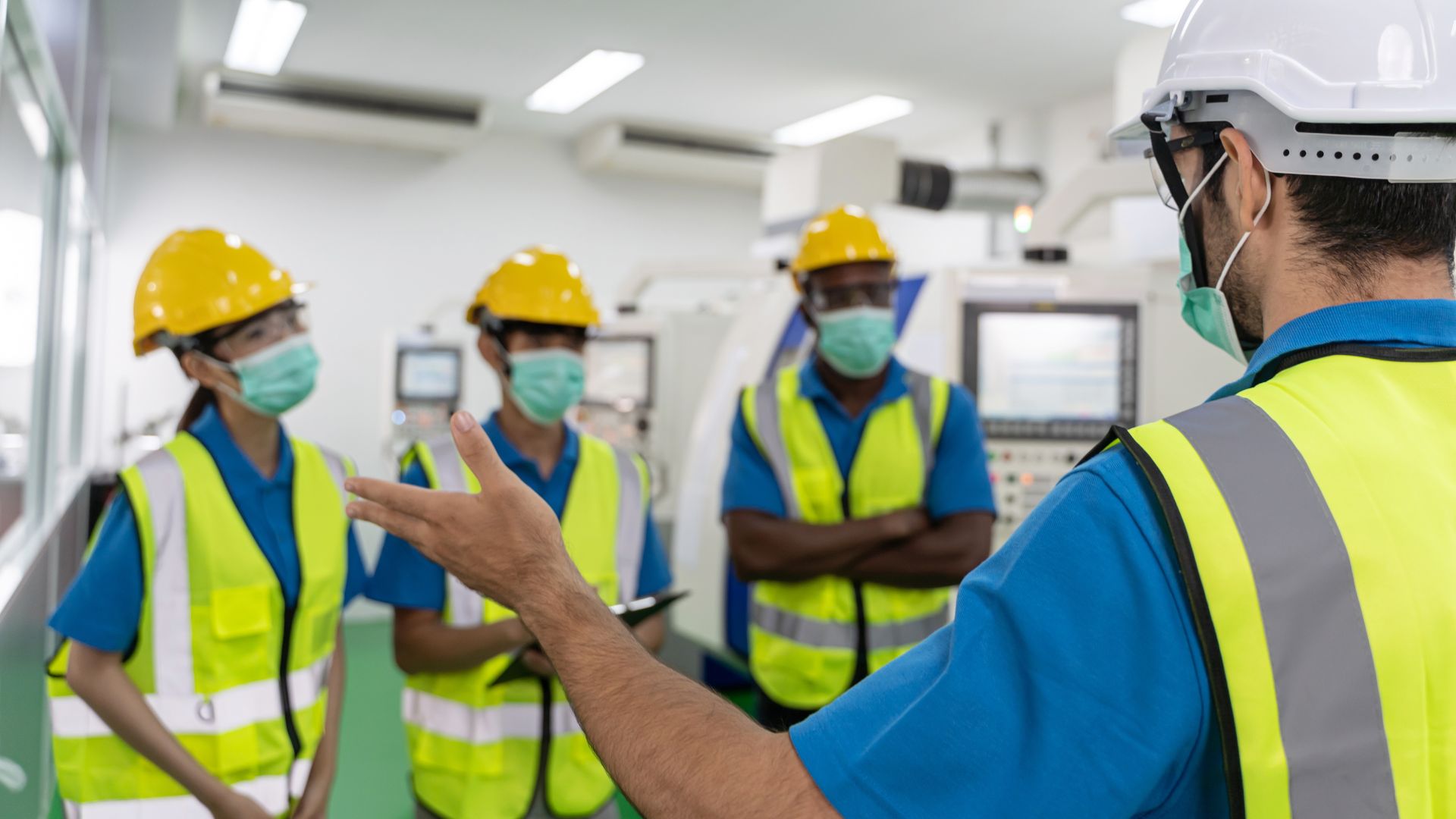
Workplace safety responsibilities in Singapore are guided by the Workplace Safety and Health (WSH) Act, which adopts a shared responsibility framework.
- Employers must provide a safe work environment
- Employees must follow safety procedures and report hazards
- Supervisors must enforce safe practices on the ground
Understanding these responsibilities helps organisations prevent workplace incidents, improve compliance, and build a strong safety culture.
If you're new to WSH, read our guide on Workplace Safety & Health in Singapore to understand the fundamentals.
What Are Workplace Safety Responsibilities?
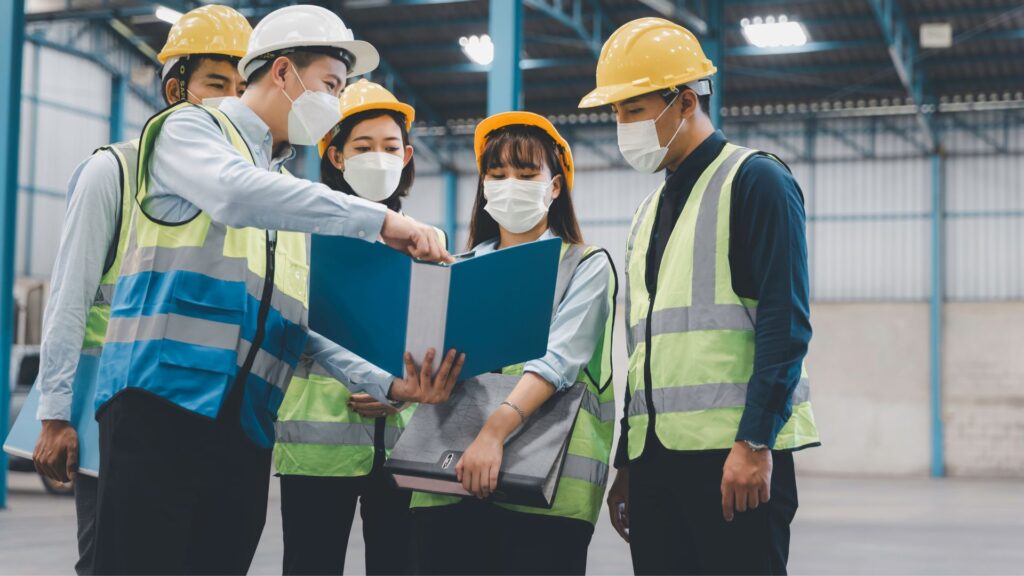
Workplace safety responsibilities refer to the duties of employers, employees, and workplace leaders to ensure a safe and healthy working environment.
In Singapore, these responsibilities are defined under the Workplace Safety and Health (WSH) Act, which emphasises that:
Safety is a shared responsibility
This means that workplace safety is not only enforced by policies but also depends on how individuals behave, communicate, and respond to risks daily.
Employer Responsibilities Under the WSH Act

Employers hold the primary responsibility for workplace safety in Singapore.
They are required to take reasonably practicable measures to protect employees.
Key employer responsibilities include:
- Conducting risk assessments to identify hazards and implement effective risk control measures
- Ensuring the work environment is safe and that adequate safety measures are in place for all machinery, equipment, and processes used at the workplace
- Developing and implementing emergency response systems for dealing with workplace incidents
- Providing workers with sufficient instruction, training, and supervision so that they can perform their work safely
- Protecting the safety and health of all persons who may be affected by work activities, not just direct employees
Failure to meet these responsibilities can lead to:
- workplace injuries
- regulatory penalties
- business disruptions
Who Is a WSH Employee in Singapore?
Under the Workplace Safety and Health Act, a WSH employee refers to any person who is at work in a workplace, including full-time staff, part-time workers, contractors, and self-employed individuals. Every WSH employee has a duty to take reasonable care of their own safety and health, cooperate with their employer on safety measures, and not endanger others at the workplace. Understanding who qualifies as a WSH employee is important for employers when designing safety programmes and assigning responsibilities.
Employee Responsibilities in the Workplace
Employees play a critical role in maintaining workplace safety. Even with strong systems in place, safety can fail if employees do not follow procedures.
Employees are expected to:
- Follow the workplace safety and health systems, safe work procedures, and safety rules implemented at the workplace
- Not engage in any unsafe or negligent act that may endanger themselves or others working around them
- Use personal protective equipment (PPE) provided to ensure their safety at work, and must not tamper with or misuse the equipment
- Take measures to ensure the safety and health of anyone in the workplace who may be affected by their work
A strong safety culture depends on employees being actively involved, not passive.
Role of Supervisors and Safety Personnel

Supervisors and workplace safety personnel ensure that safety is implemented in daily operations.
They act as the link between management and frontline employees.
Their responsibilities include:
- Enforcing safe work procedures
- Monitoring work practices on-site
- Conducting safety briefings and toolbox meetings
- Identifying unsafe behaviours
- Supporting risk assessments and safety planning
Without strong supervision, even well-designed safety systems can break down.
Common Gaps in Workplace Safety Responsibilities
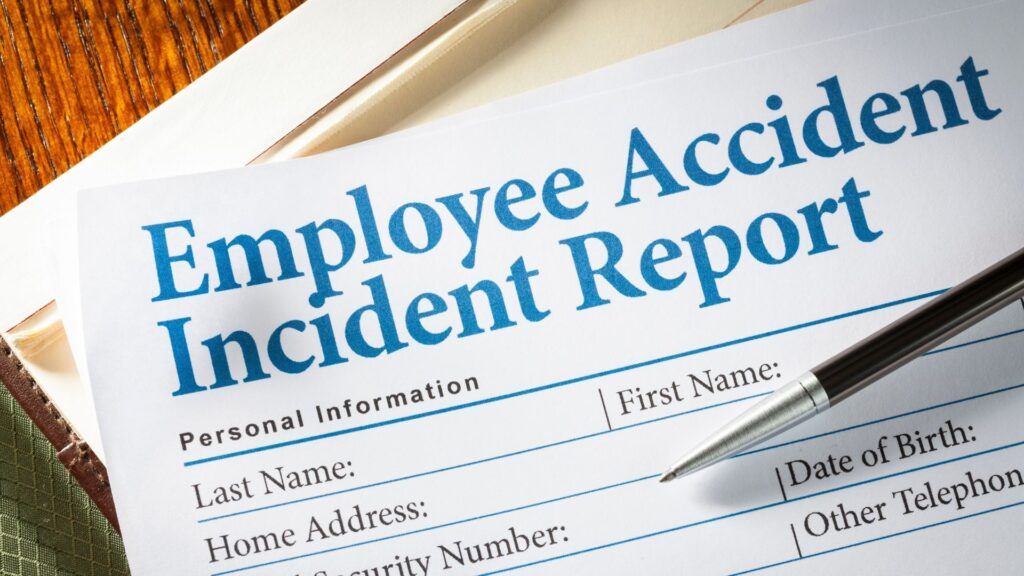
In many organisations, safety issues arise not from lack of policies, but from gaps in execution.
Common issues include:
- Unclear ownership of safety responsibilities
- Employees not reporting hazards
- Supervisors prioritising speed over safety
- Risk assessments were done, but not applied
- Lack of follow-up after training
These gaps allow common workplace hazards in Singapore to persist and eventually lead to incidents.
How Organisations Can Improve Workplace Safety Responsibilities
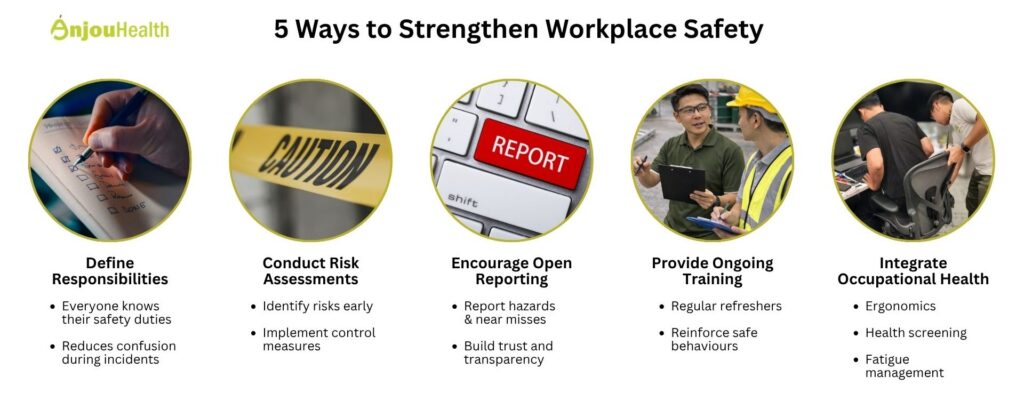
Organisations can strengthen workplace safety by moving from reactive to proactive safety management.
1. Clearly Define Responsibilities Ensure every employee understands their role in workplace safety.
2. Conduct Regular Risk Assessments Identify hazards early and implement control measures before incidents occur.
3. Encourage Open Reporting Create a culture where employees feel safe reporting hazards and near misses.
4. Provide Ongoing Safety Training Reinforce safety awareness through regular training and communication.
5. Integrate Occupational Health Measures Include ergonomic assessments, health screening, and fatigue management as part of workplace safety.
Organisations that take this approach reduce injuries, improve productivity, and strengthen compliance.
Occupational Health & Employee Well-Being Resources from AnjouHealth
This guide is part of AnjouHealth’s Occupational Health & Employee Well-Being resource series, which provides practical insights for employers, HR professionals, and workplace safety teams in Singapore.
You may also find these related articles helpful:
Common Workplace Safety Hazards in Singapore Understand the most frequent hazards observed across workplaces and how organisations can manage them effectively.
Workplace Injury Management in Singapore Learn how organisations can respond to workplace injuries and support employees returning to work safely.
Workplace Safety Training in SingaporeDiscover how structured safety training programmes help employees recognise hazards and strengthen workplace safety awareness.
Explore our Occupational Health & Workplace Safety Blog for more employer-focused guidance on improving workforce health, reducing absenteeism, and strengthening workplace safety culture.
Strengthen Workplace Safety in Your Organisation
Understanding workplace safety responsibilities is the first step. Applying them effectively is what makes the difference.
At AnjouHealth, we support organisations in Singapore with:
- Workplace risk assessments
- Safety training programmes
- Occupational health initiatives
Connect with us to start building a safer, more compliant workplace today.
Need Help With Workplace Safety?
Talk to our team about a tailored workplace safety, ergonomics, or wellness programme for your organisation.
Frequently Asked Questions (FAQs)
Workplace safety responsibilities refer to the duties of employers, employees, and supervisors to ensure a safe working environment under the WSH Act.
Employers hold the primary responsibility, but employees, supervisors, and safety personnel also share responsibility.
Failure to comply can result in workplace injuries, legal penalties, and operational disruptions.
Because safety depends on both systems and behaviour. A shared responsibility approach ensures everyone plays a role in preventing incidents.